

Climate Cleanup CDR Conference 2025
Thank you to everyone who joined us on May 28th for the 2025 CDR Conference. Your energy and collaboration helped make the event a powerful space for collective reflection and forward-thinking action. From breakout sessions to keynote moments, your participation brought our shared vision to life.

CDR Conference 2025 Highlights
Thank you to everyone who joined us on May 28th for the 2025 CDR Conference. Your energy and collaboration helped make the event a powerful space for collective reflection and forward-thinking action. From breakout sessions to keynote moments, your participation brought our shared vision to life. We’re excited to share highlights, photos, and key takeaways from an unforgettable day.
What Happened at the 2025 CDR Conference
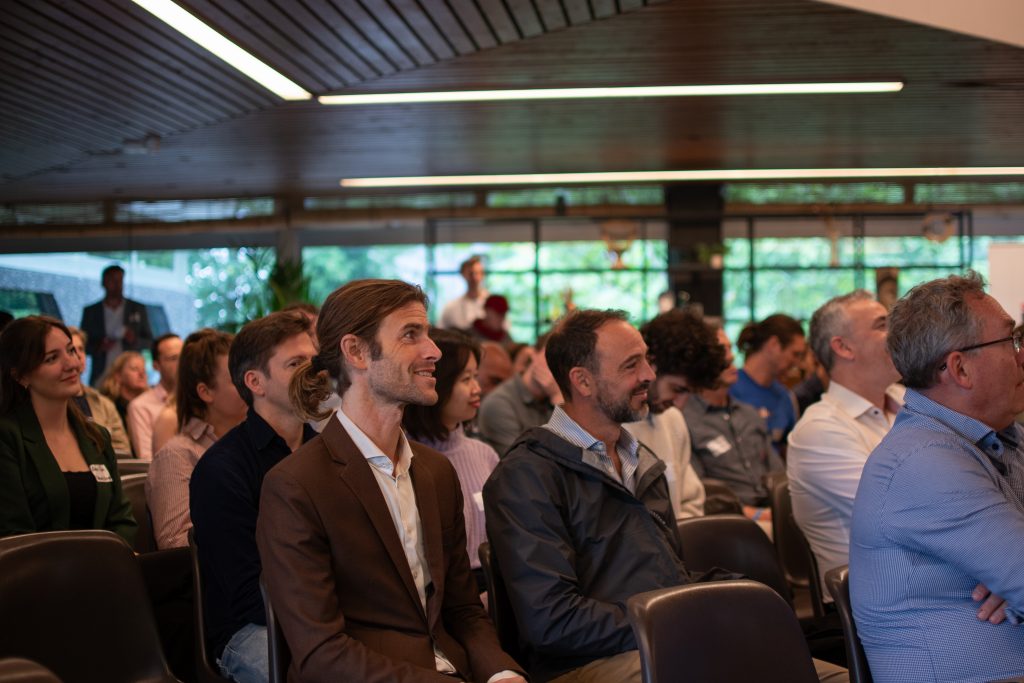
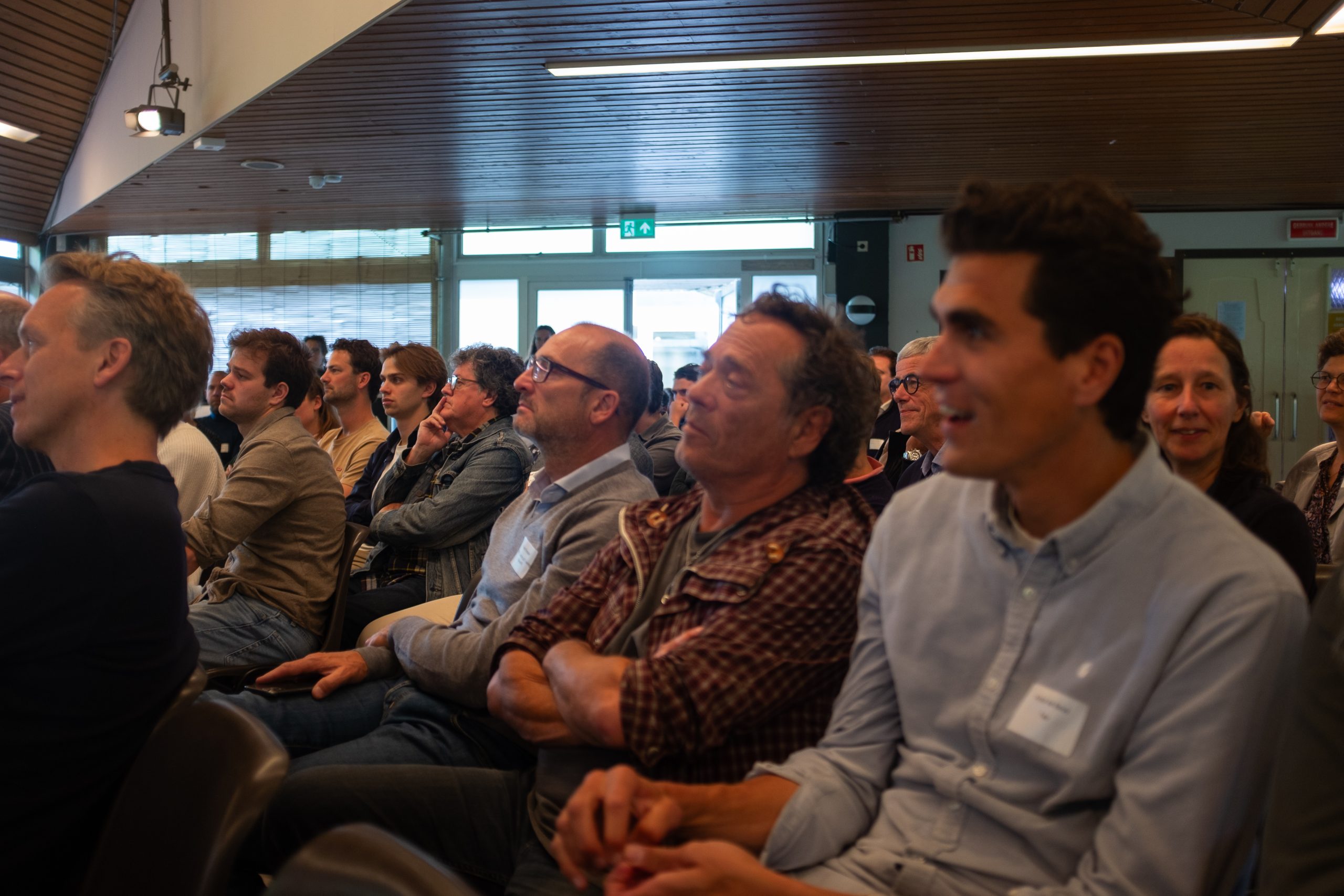
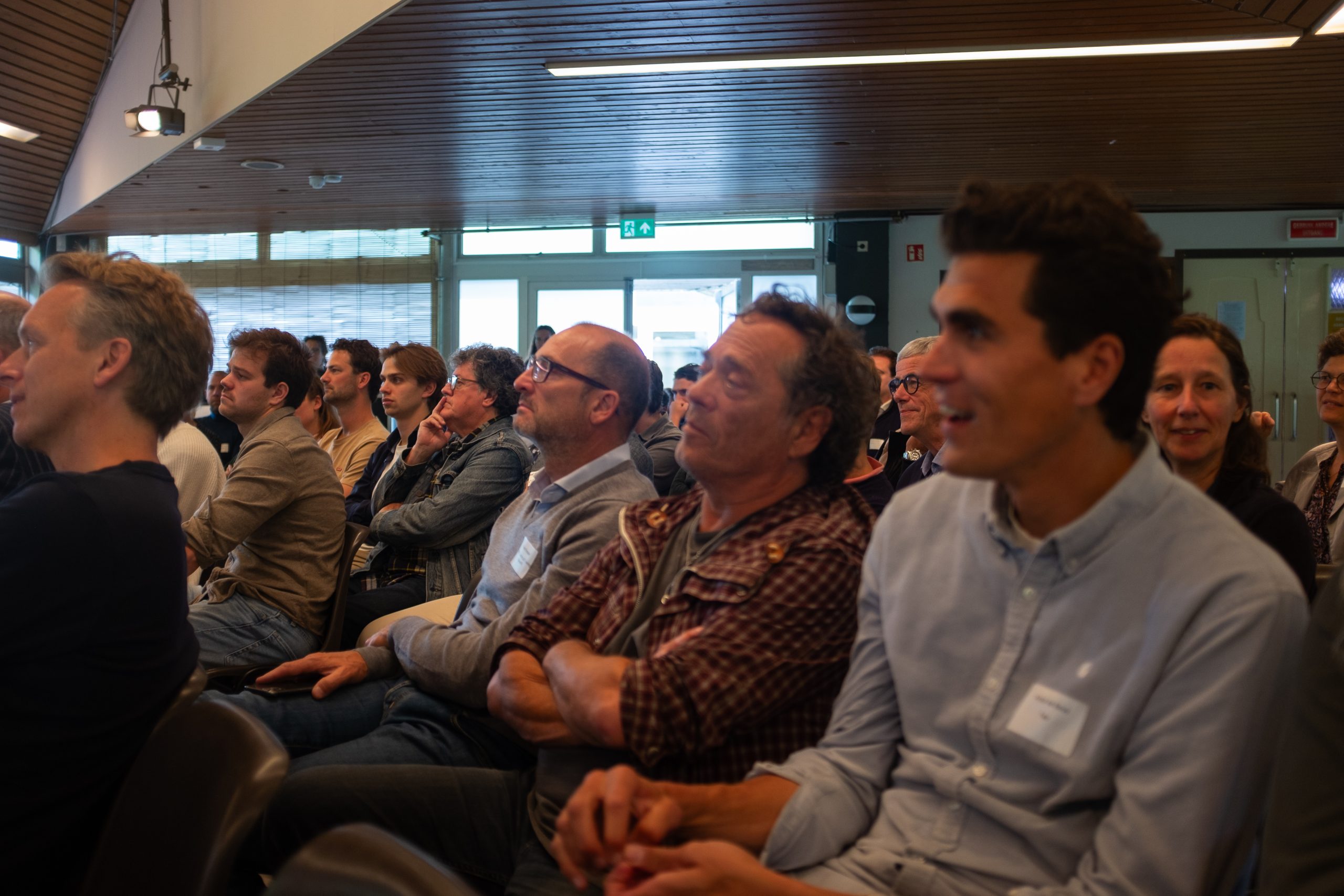
The 2025 CDR Conference welcomed 150 attendees for a full day of insight, discussion, and collaboration around the future of carbon removal in the built environment. Hosted by Josine Bakkes, the event brought together experts, policymakers, and practitioners to explore how carbon removal can be integrated into nature, infrastructure, and policy.
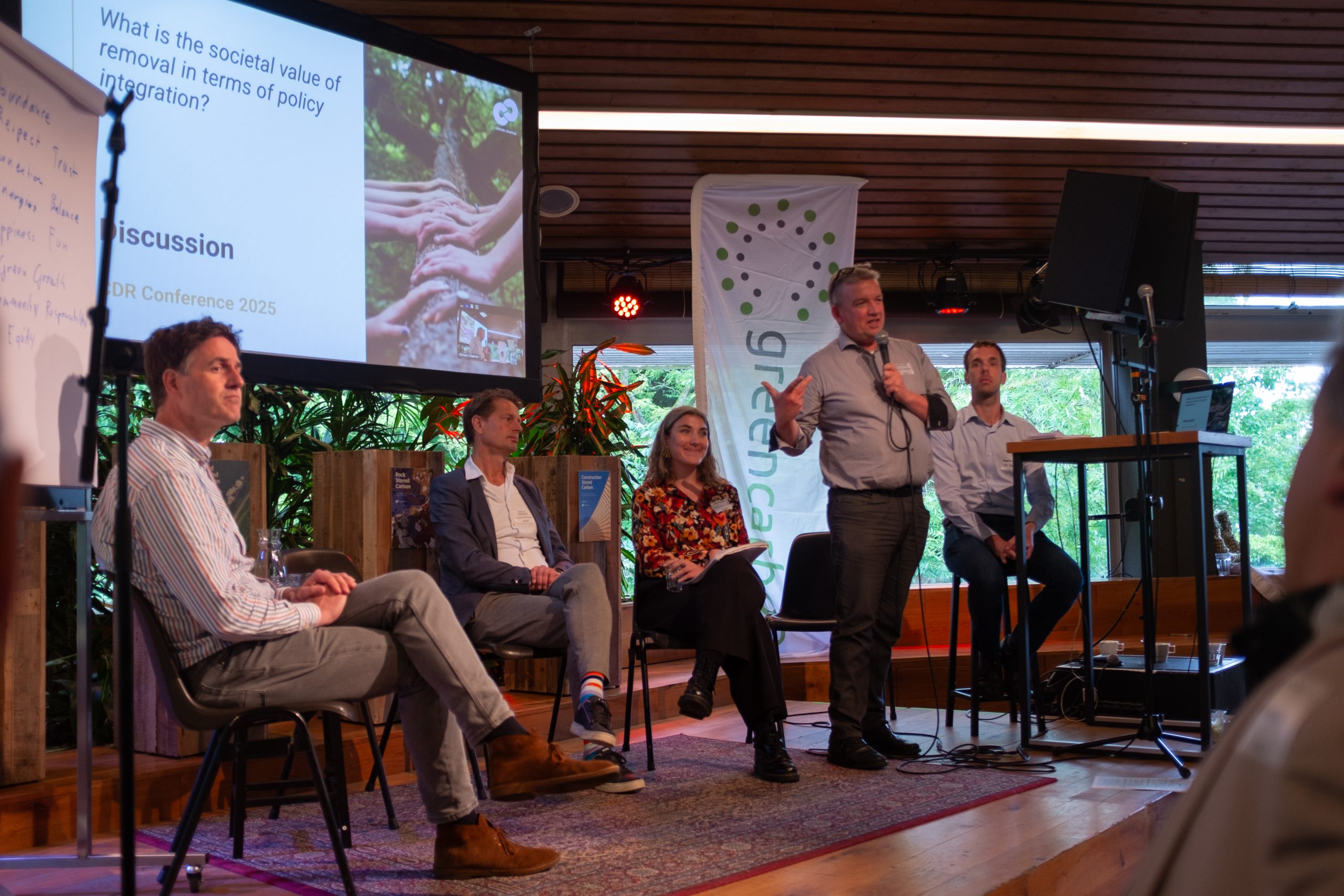
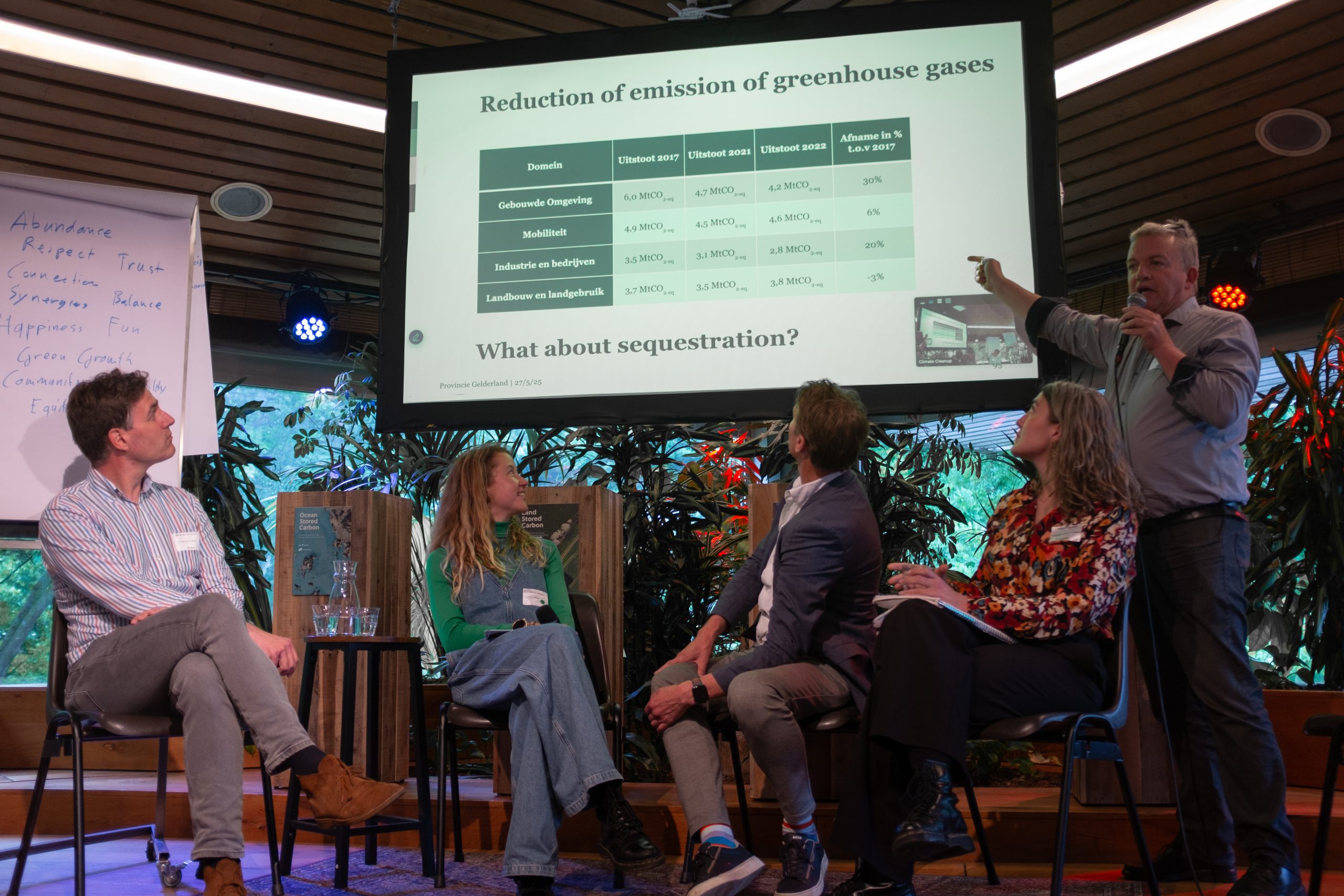
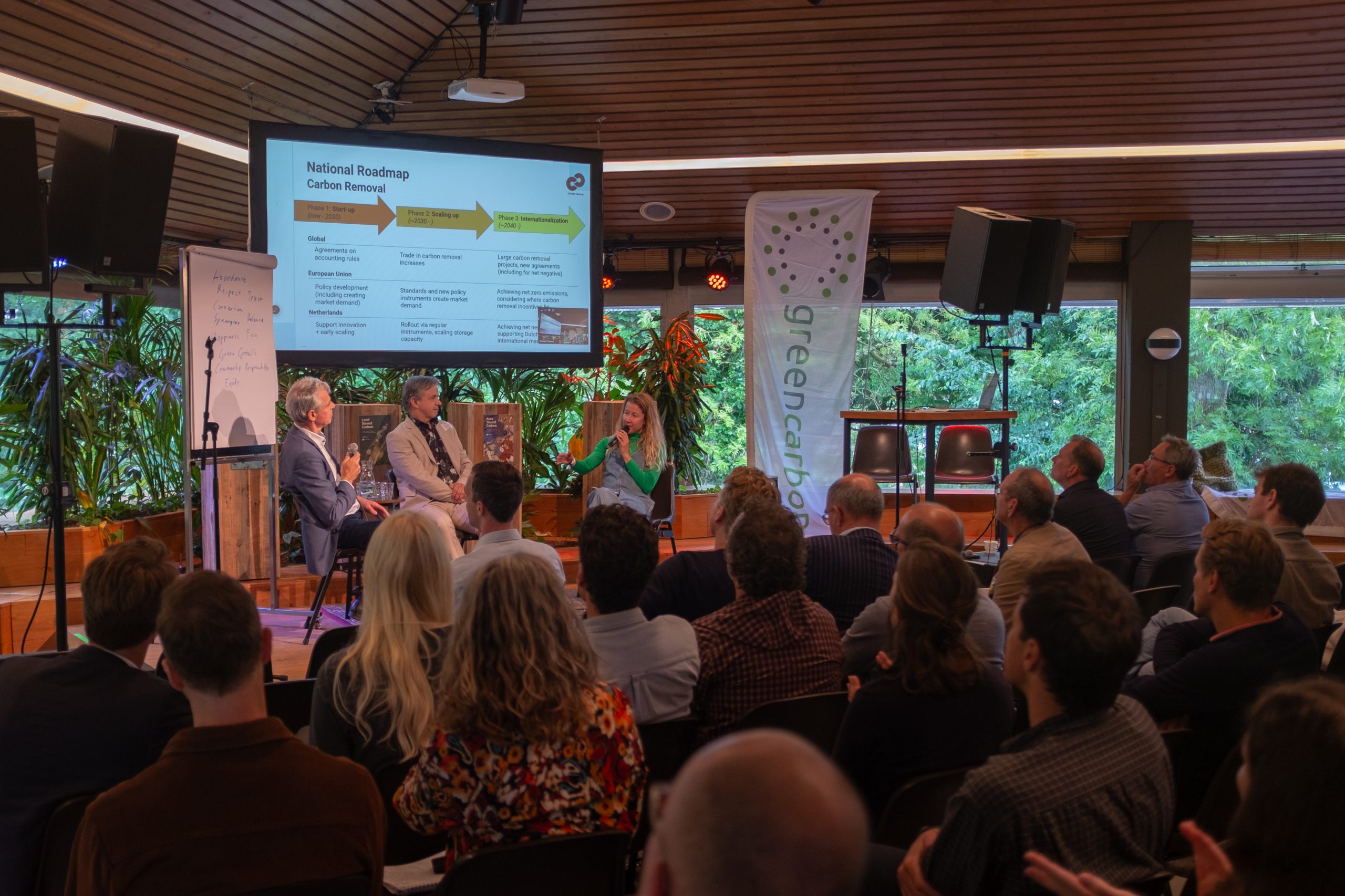
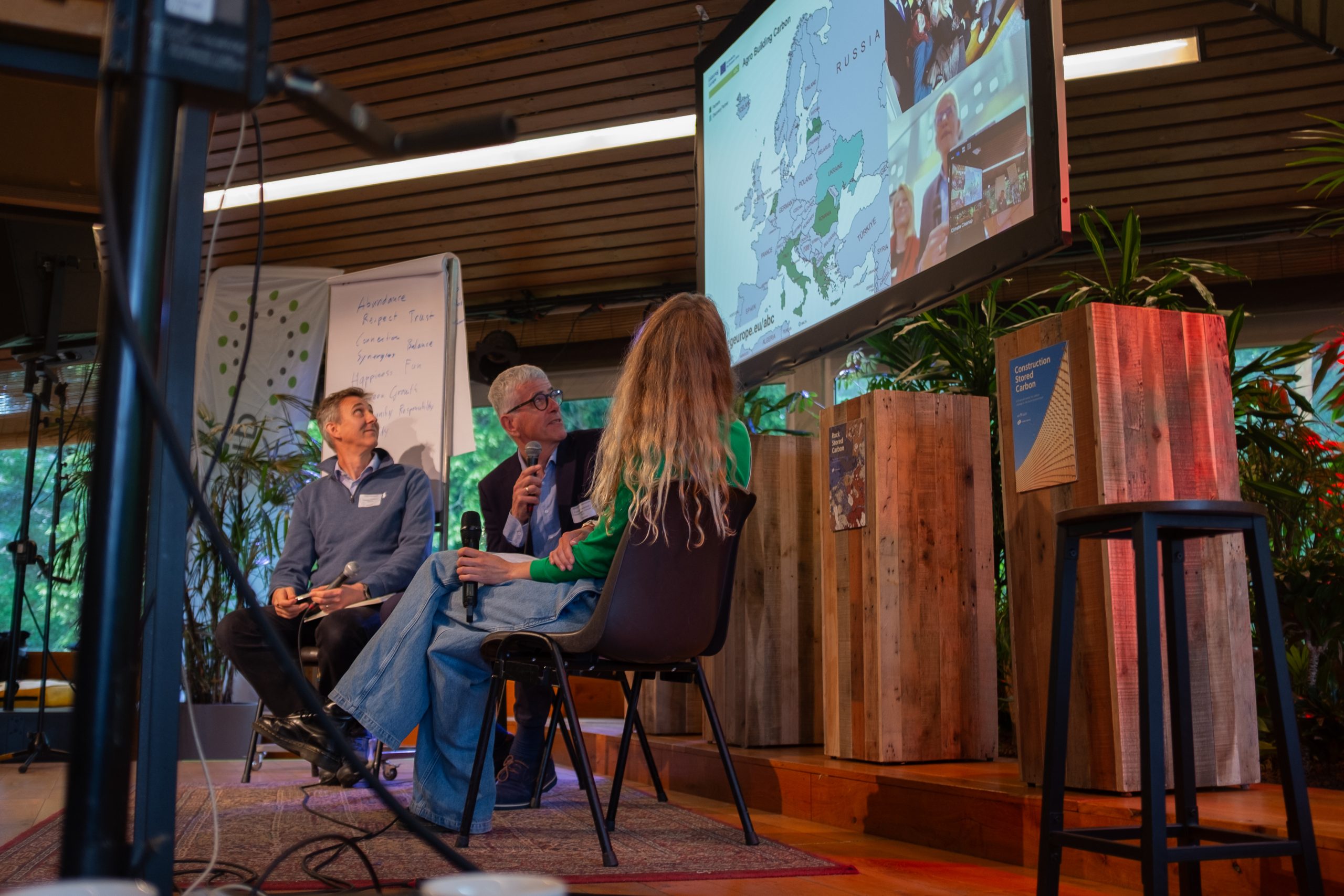
The morning program focused on two central themes. The first, Carbon Removal with Nature – Green CDR Cases, featured real-world examples of nature-based carbon removal approaches, highlighting what’s already being done and where we can go next. The second, Policy in Practice: How Policy Can Enable the New Carbon Economy, brought together voices from the European Commission, national ministries, and provincial governments to discuss how policy can support the scaling of carbon removal. Conversations ranged from EU-level strategies and funding frameworks, to the Dutch government’s national roadmap, to provincial-level market exploration. The session concluded with an audience discussion on the societal value of carbon removal and how it fits into broader climate and policy goals.
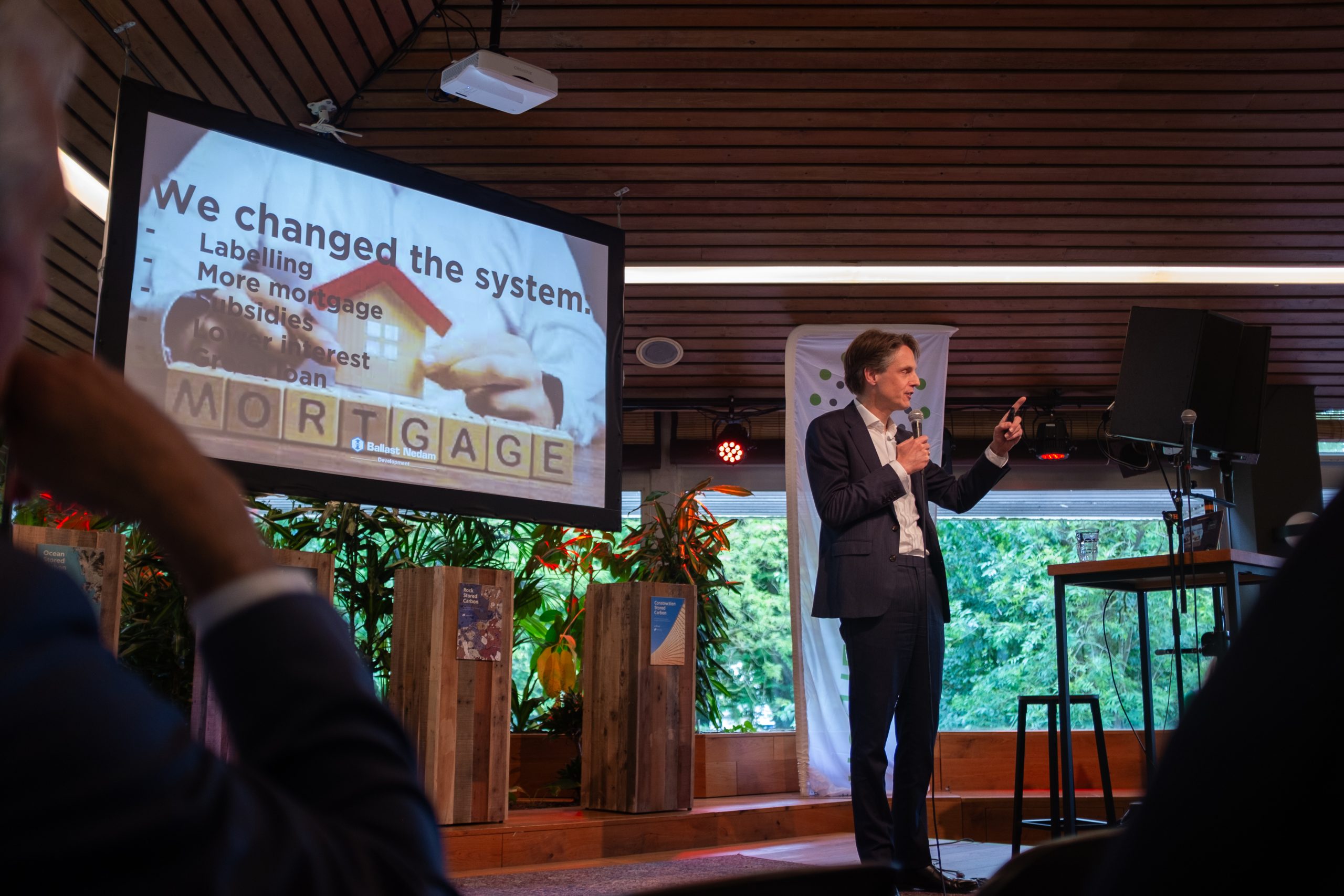
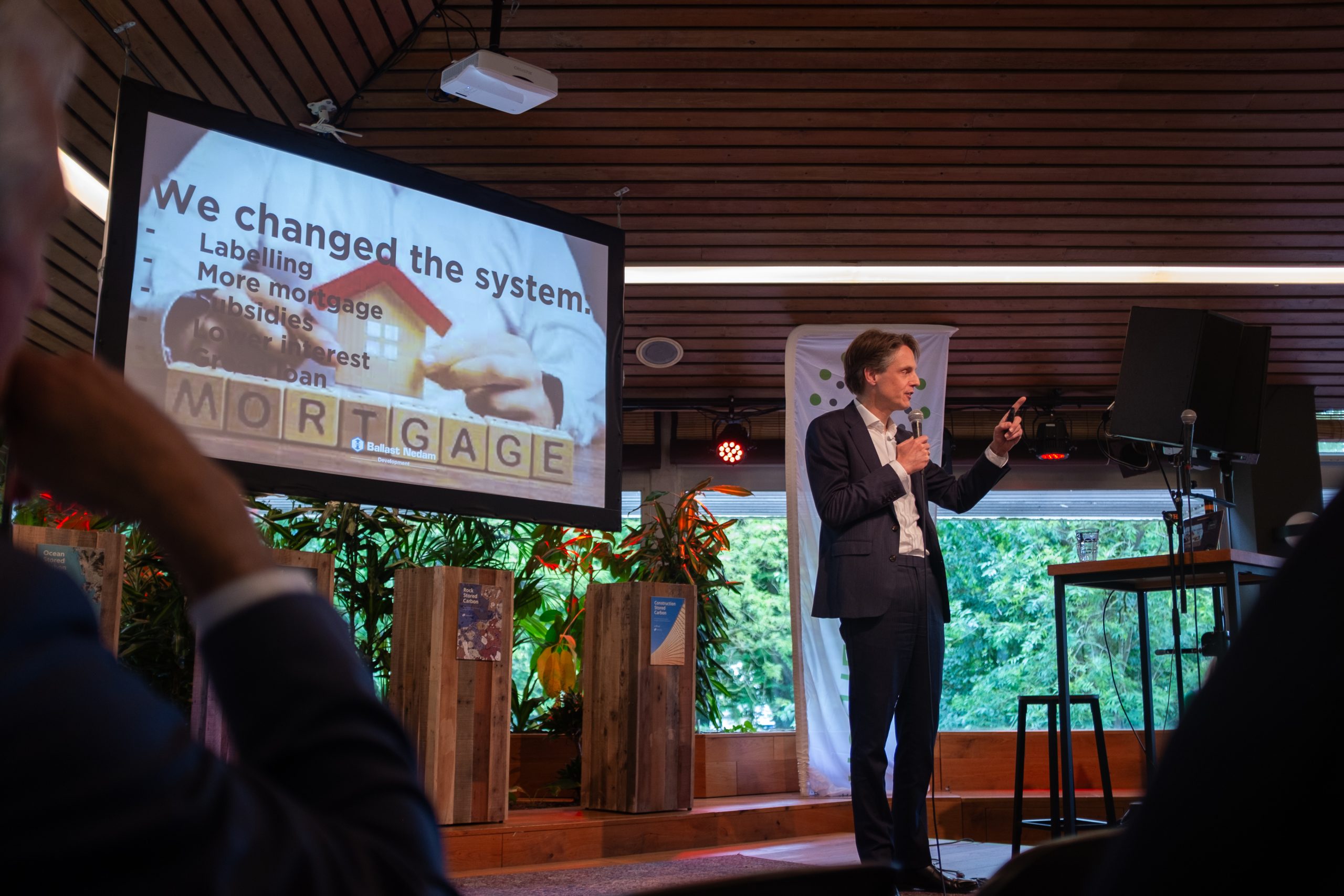
In the afternoon, Onno Dwars, CEO of Ballast Nedam Development, delivered a keynote that offered a visionary perspective on the role of the built environment in advancing carbon removal. He challenged attendees to think big about how development and design can lead in climate responsibility.
Participants also joined four interactive breakout sessions — Corporate CDR Buyers, Biobased Building Portfolios, Invest in Carbon Removal, and a Government Policy Working Session — each offering space for deeper exploration and practical exchange.
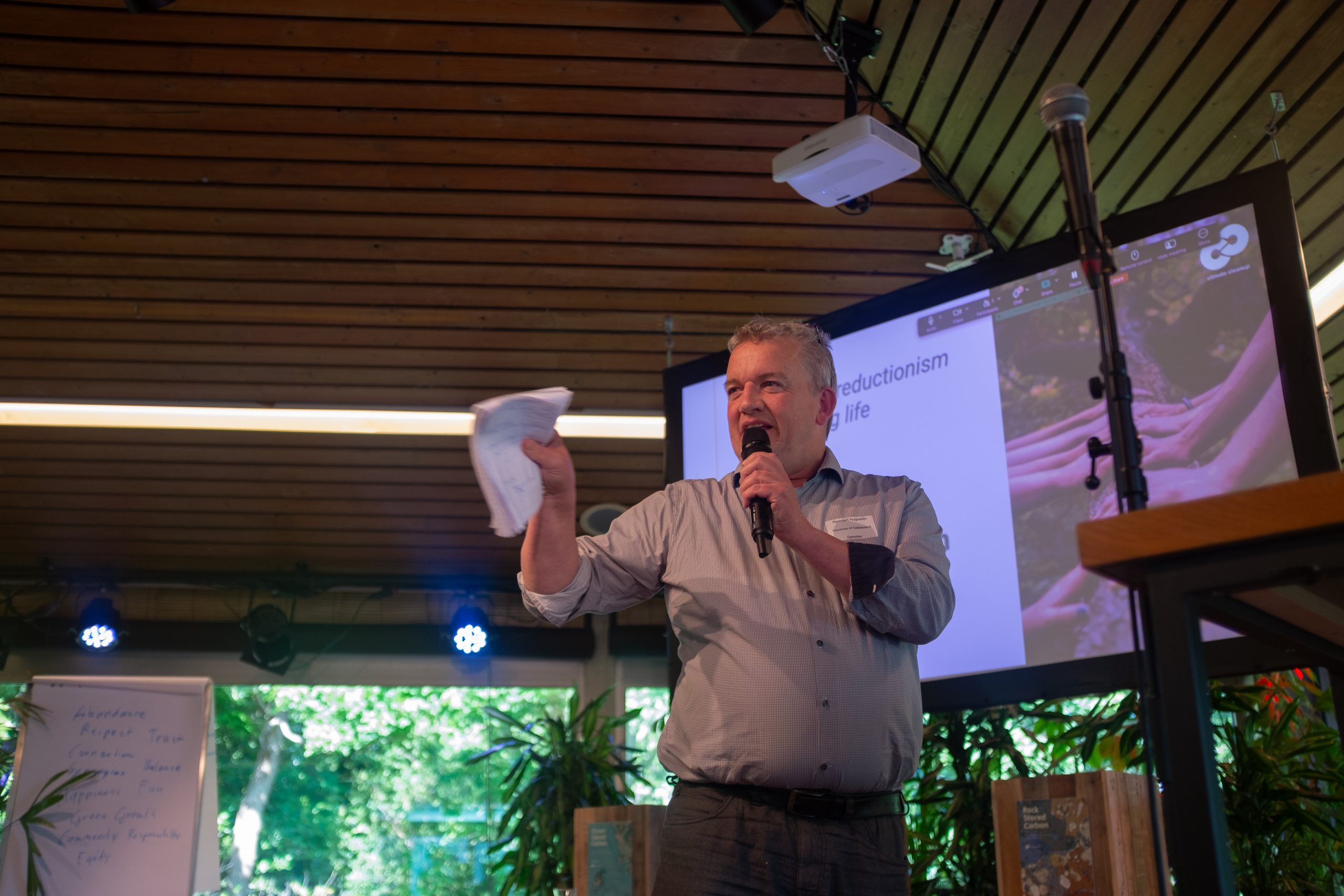
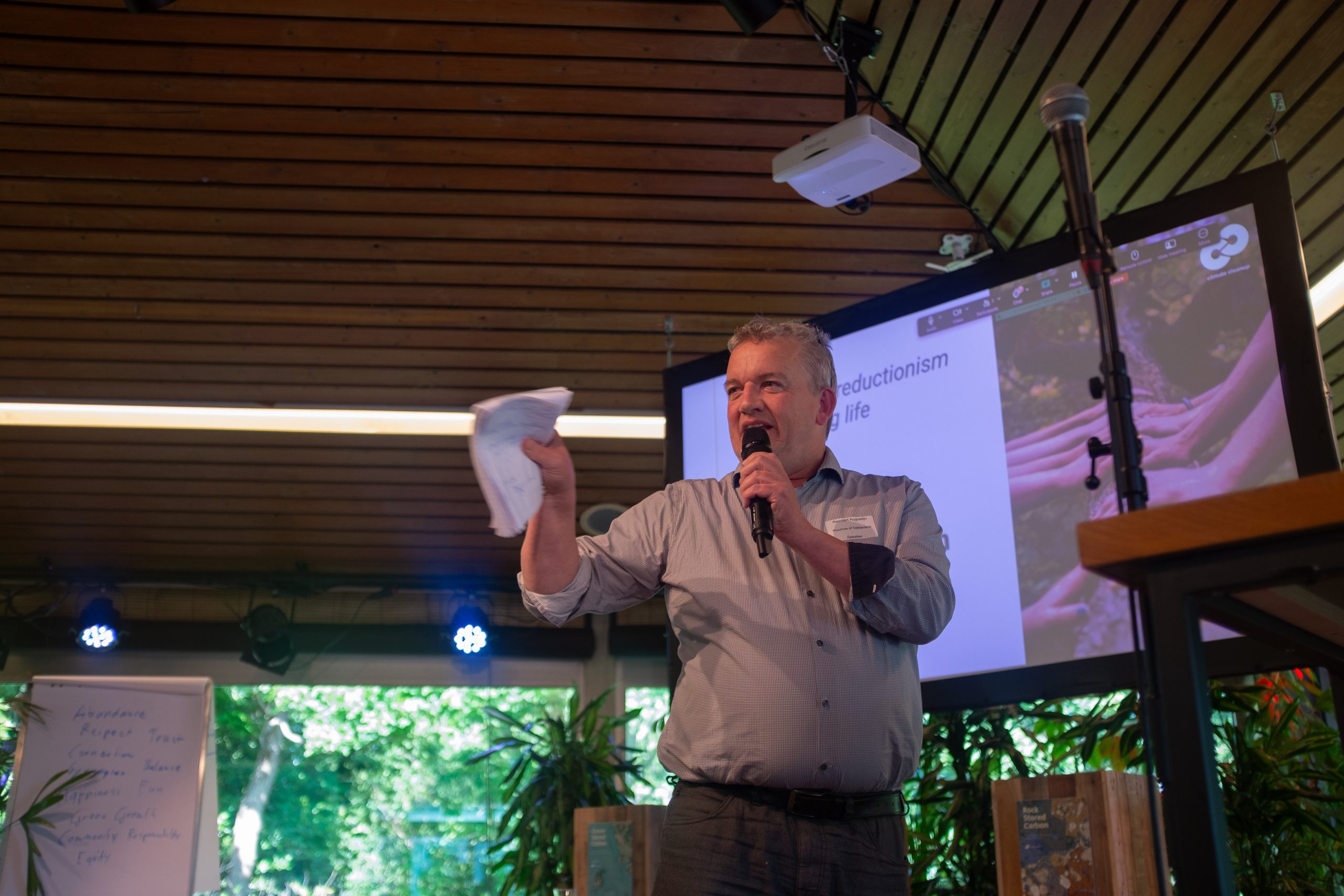
To close the conference, Reindert Augustijn delivered a thoughtful keynote that tied the day together with a call to move beyond carbon reductionism, toward a more connected and life-centered approach to climate action.
If you would like to view the full recording of the 2025
CDR Conference program, please click here:
Full recording here
Perspectives in Action: Breakout Discussions Recap
Corporate CDR Buyers
This session explored the evolving landscape of carbon dioxide removal (CDR) from the buyer’s perspective, focusing on transparency, trust, and real-world application. Goos shared insights from the Into the Great Wide Open Festival, where emissions from travel and transport are offset through regenerative farming credits via Oncra. Their goal goes beyond climate neutrality, aiming for a climate-positive model that engages festival-goers in sustainability through visible, practical examples. In the discussion, participants highlighted that transparency—understanding the pricing, impact, and flow of funds—is essential for buyer confidence.
Kirti from BeZero introduced their 8-point value scale, akin to an energy label for CDR, designed to help clients assess and justify their investments. She emphasized that quality assurance, independent assessments, and permanence (e.g., 100-year commitments for nature-based solutions) are now baseline expectations for discerning buyers.
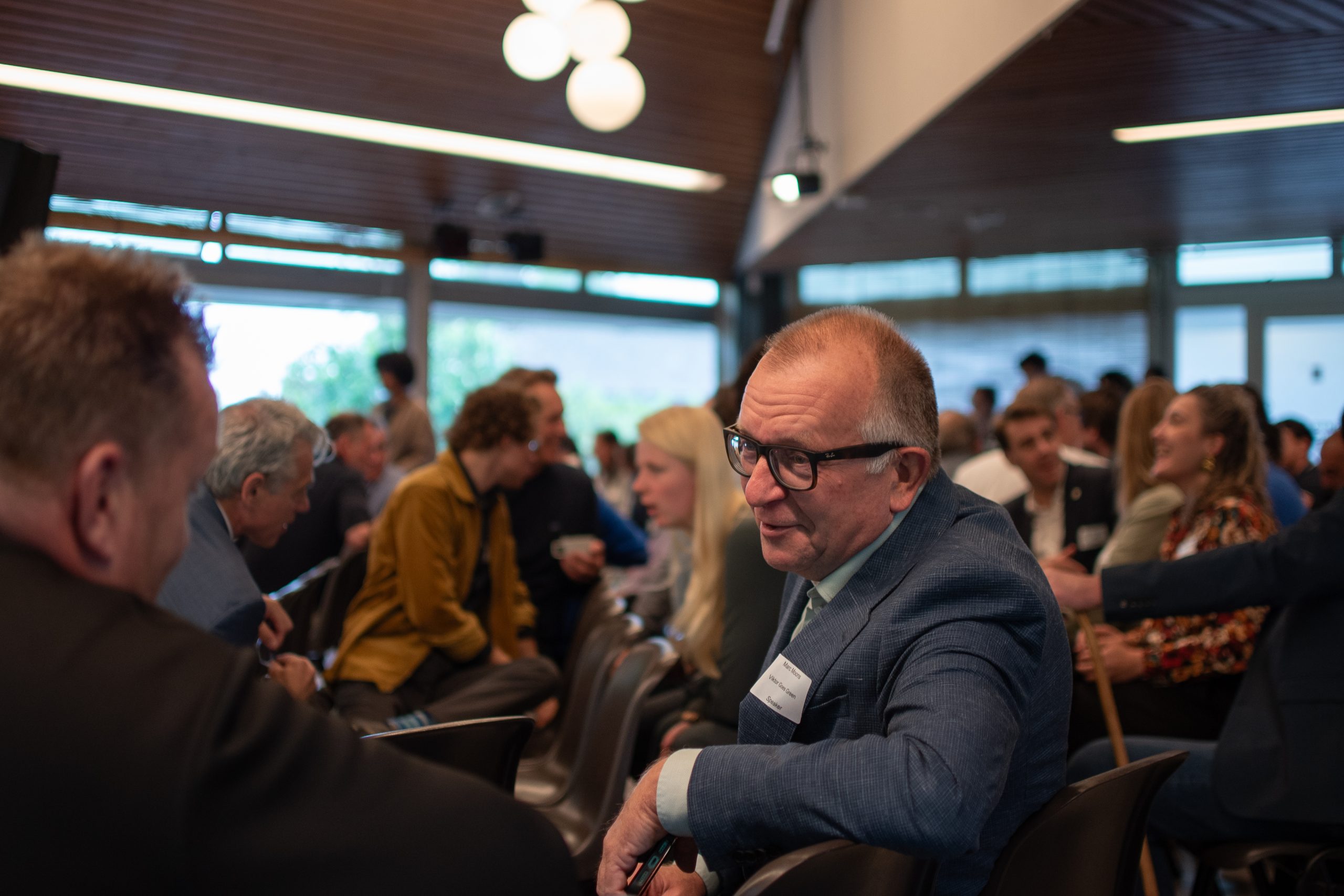
Marc from Viktor Goes Green presented their biochar initiative in Benin, highlighting the scalability of biochar for carbon removal and the significant financial and awareness-building challenges they face in European markets.
Finally, Lars from Carbon Farmers, a Dutch farmers association, emphasized the importance of making carbon removal accessible and locally grounded. He described how buyers are increasingly looking for tangible, trust-based solutions, though certification remains a contested topic. The conversation returned frequently to the need for clear accountability and increased transparency in the carbon credit market
Invest in Carbon Removal
Moderated by Atilla from the Negative Emissions Platform, this session explored the current investment landscape for carbon removal technologies and the challenges startups face in scaling their efforts. The conversation marked the beginning of a broader engagement tour by the Negative Emissions Platform, with this session serving as a kickoff to gather insights and connect with key stakeholders across the sector.
Discussions centered on the realities of financing CDR solutions—from biochar to ocean-based capture and digital measurement infrastructure. Participants shared experiences around attracting early-stage investment, the importance of demonstrating credibility and impact, and the growing role of venture capital in the sector. While innovation continues to advance, the group broadly agreed that political and regulatory frameworks remain one of the biggest barriers to growth—far more than technology risk.
The session also touched on the need for public-private partnerships, voluntary market stimulation, and smart policy support to accelerate investment. Despite the challenges, there was a shared sense that carbon removal is on the cusp of becoming a significant and investable part of the climate solution space.
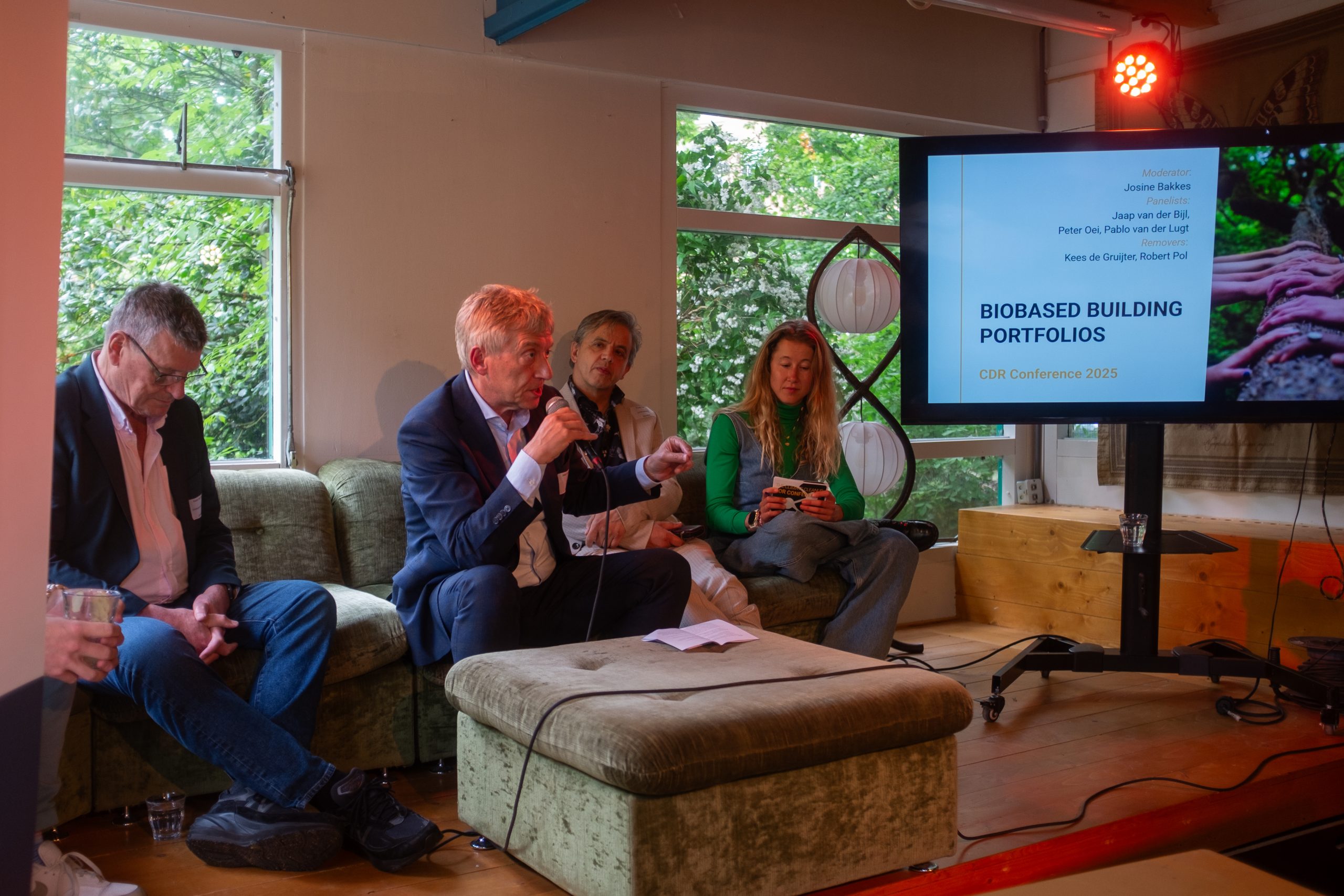
Biobased Building Portfolios
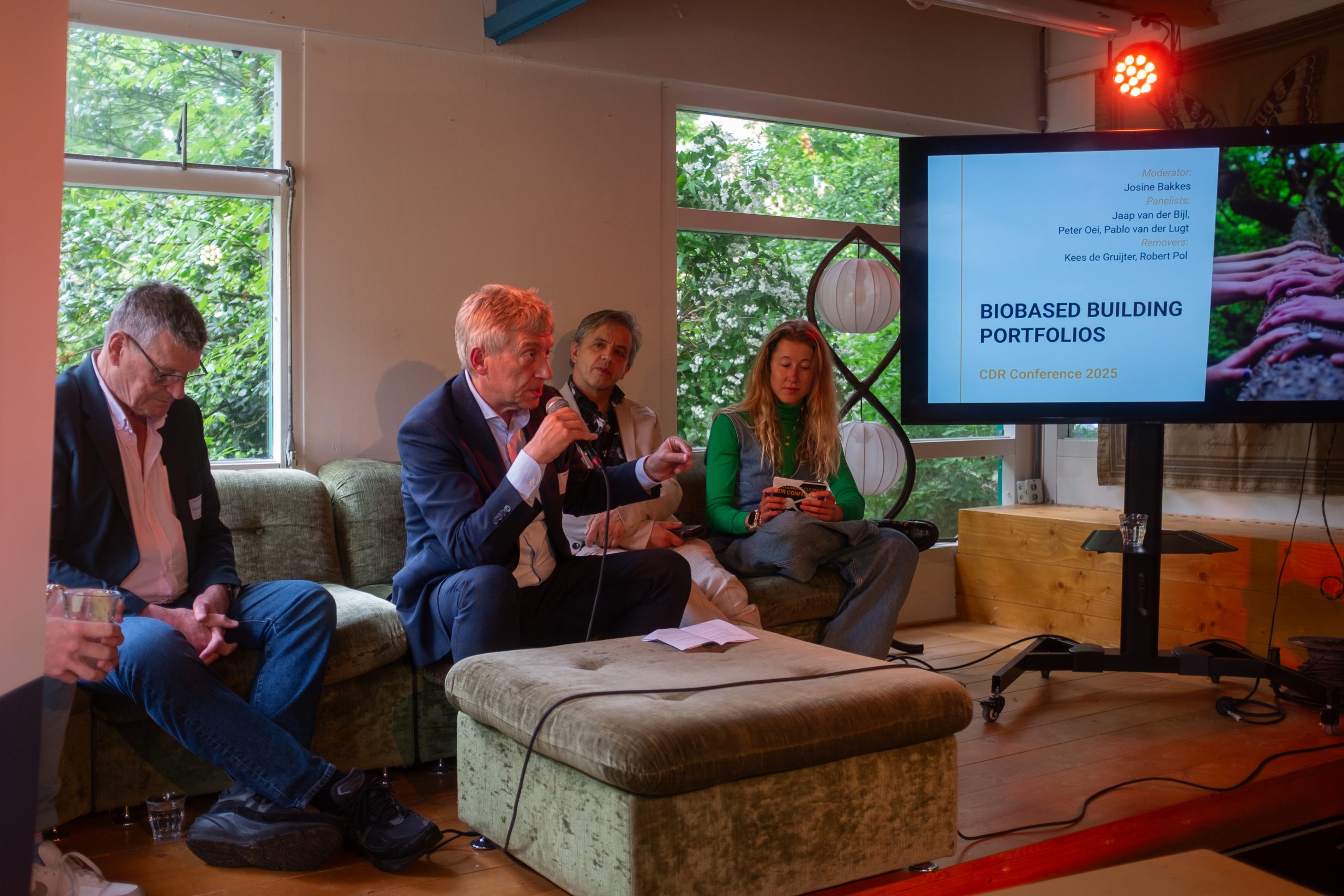
This session brought together experts from investment, real estate, and sustainability to explore the future of biobased construction. Altera, a real estate investment company, set the tone by emphasizing that biobased buildings are no longer seen as high-risk—but rather as a hedge against climate risks, such as rising carbon prices and the potential for stranded assets tied to conventional materials. Altera is aiming for a climate-neutral portfolio by 2040 and has developed a standardized ESG delivery sheet to help quantify sustainability and attract investment.
One critical barrier discussed was insurance: if a biobased building cannot be insured, it becomes uninvestable. Addressing this challenge is essential for scaling the sector. Altera also introduced a shared energy savings model, where cost benefits from renovations are split between tenant and investor—making energy-efficient upgrades more appealing to both.
Peter Oei expanded the conversation to area-based development, emphasizing integrated land use and the potential to combine real estate, energy production, and biobased materials within a single value chain. He also highlighted the undervalued potential of existing buildings and explored partnerships for carbon credit trading, particularly with Staatsbosbeheer.
In closing, a key insight emerged: while the system is complex, the will to act is strong. What’s missing is trust—between stakeholders, across sectors, and within regulatory frameworks. Greater alignment, transparency, and a shared language around ESG are essential to unlocking large-scale investment in sustainable building.
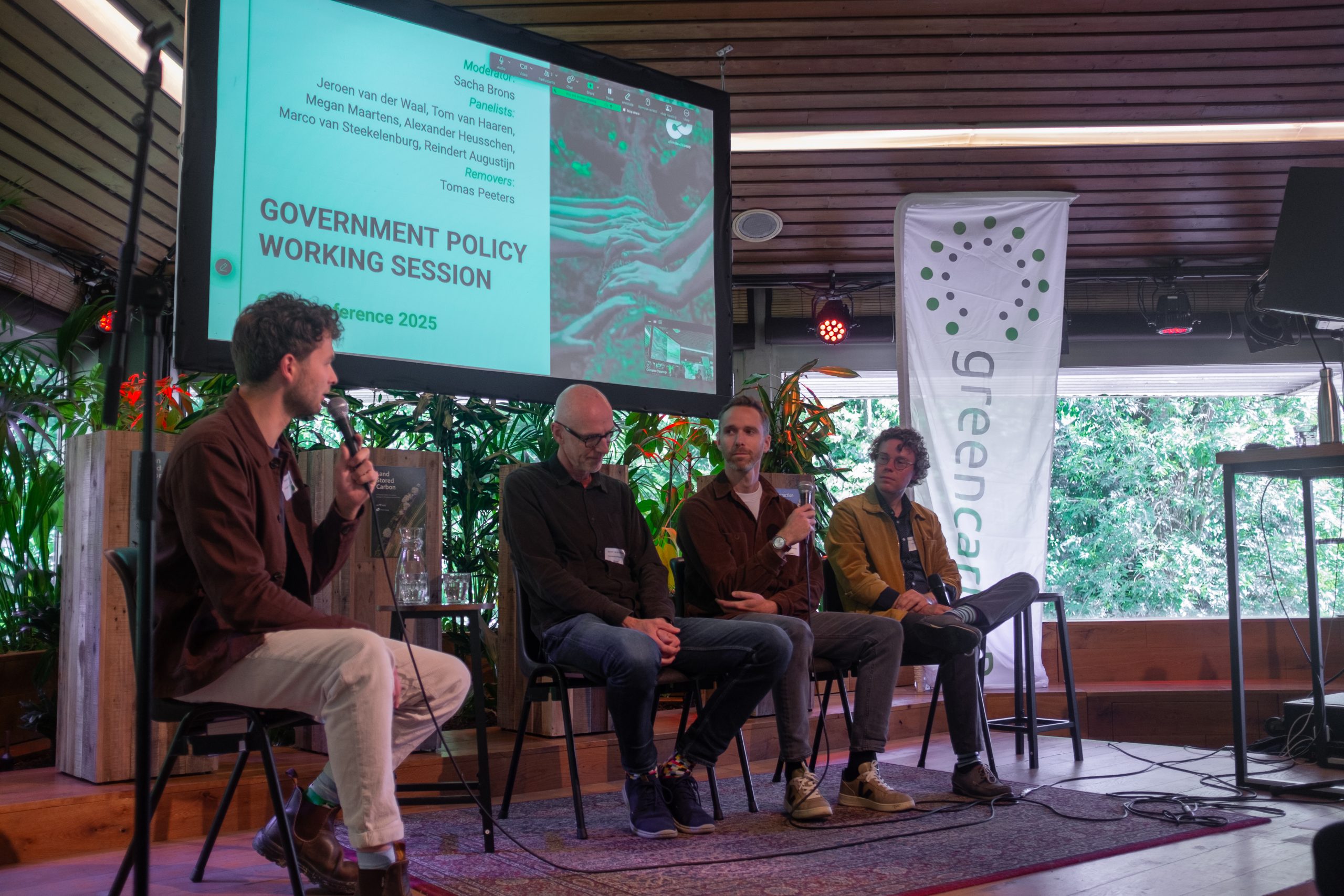
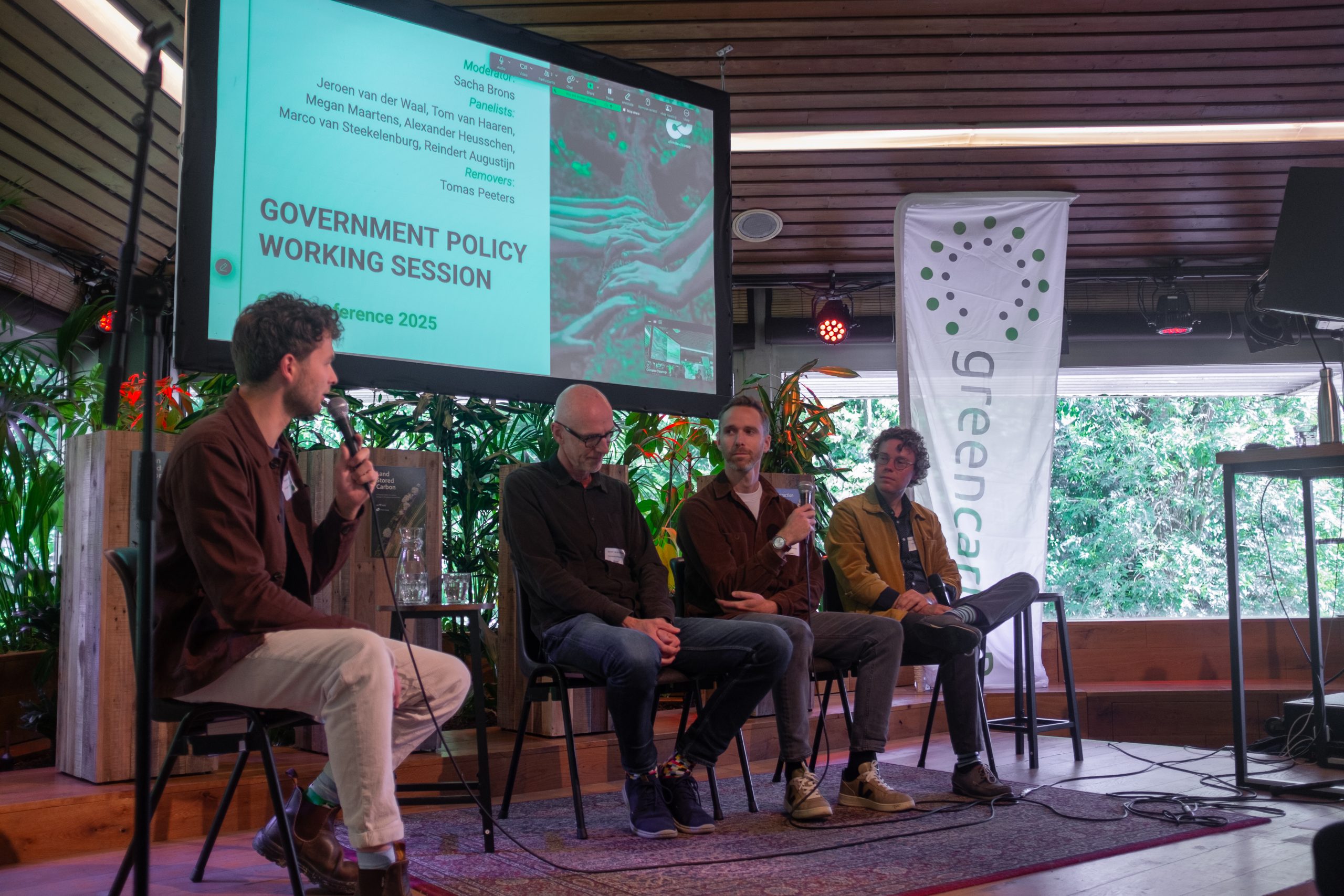
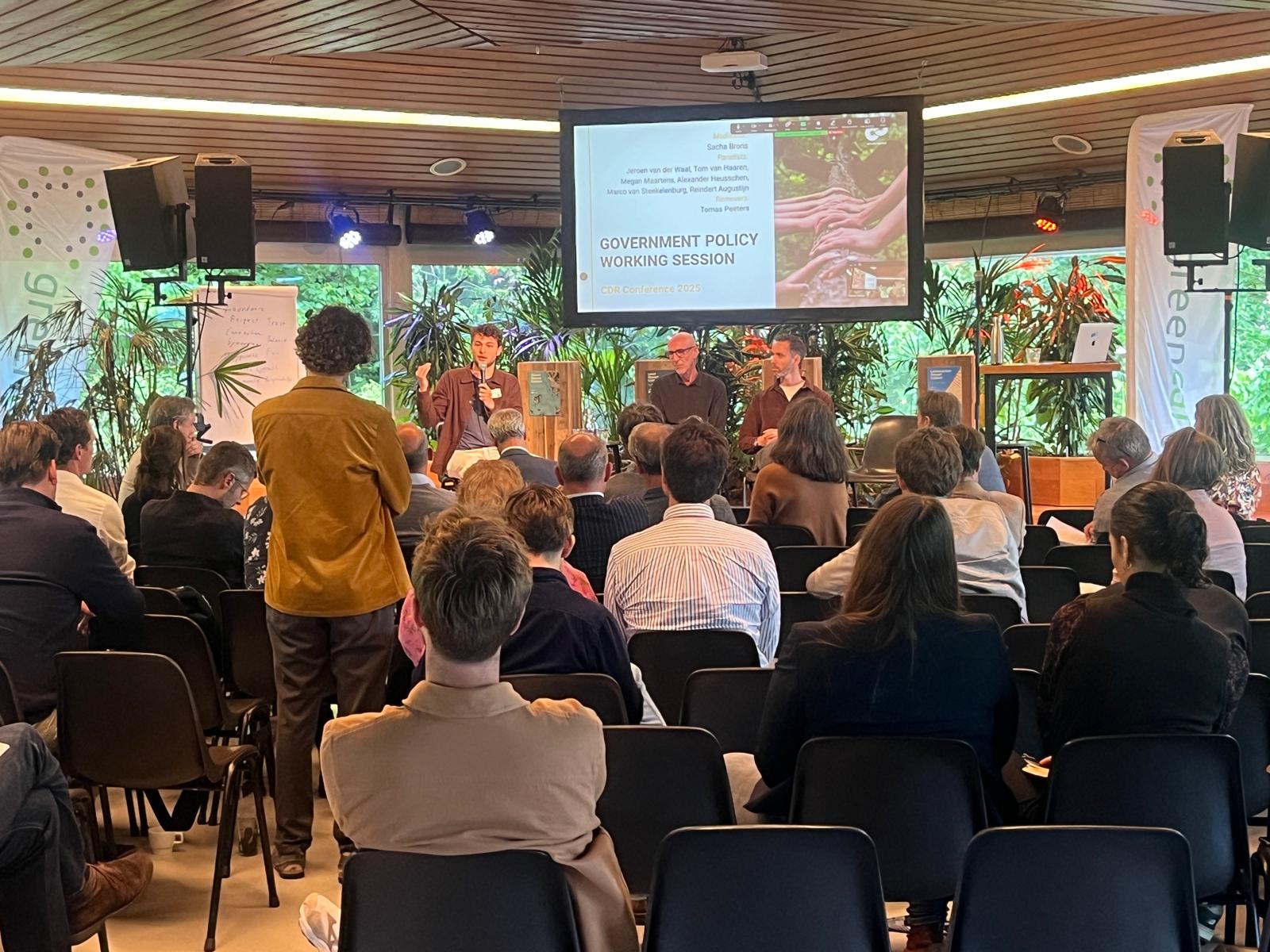
Government Policy Working Session
Moderated by Sacha Brons, this session explored how government policy can support biobased construction and carbon credit systems. Tomas Peeters (Copper8) presented findings from a white paper on carbon credits in construction, highlighting key challenges such as the lack of national frameworks, missing methodologies for fiber crops, and skepticism around credits from the global south. The paper recommends clearer certification processes and guidance on where in the value chain credits can be claimed.
Policy representatives shared their regional approaches. Jeroen van der Waal (Amsterdam) explained the city’s shift from buying credits to facilitating a local voluntary market. Tom van Haaren (Rotterdam) discussed a pilot and potential timber housing fund using carbon credits. Megan Maartens (Noord-Holland) emphasized the public sector’s role as a launching customer, while Reindert Augustijn (Gelderland) highlighted interest in credit use with regional benefits.
The consensus was that carbon credits alone can’t make projects viable; they must be part of broader pricing and policy shifts. Scope 3 emissions, regulatory flexibility, and municipal facilitation are essential. Contributions from Skytree, Heijmans, and others stressed the need for innovation funding, long-term carbon accounting, and better national legislation. The idea of a regional Building Balance Fund was floated to connect credit suppliers and buyers more effectively.
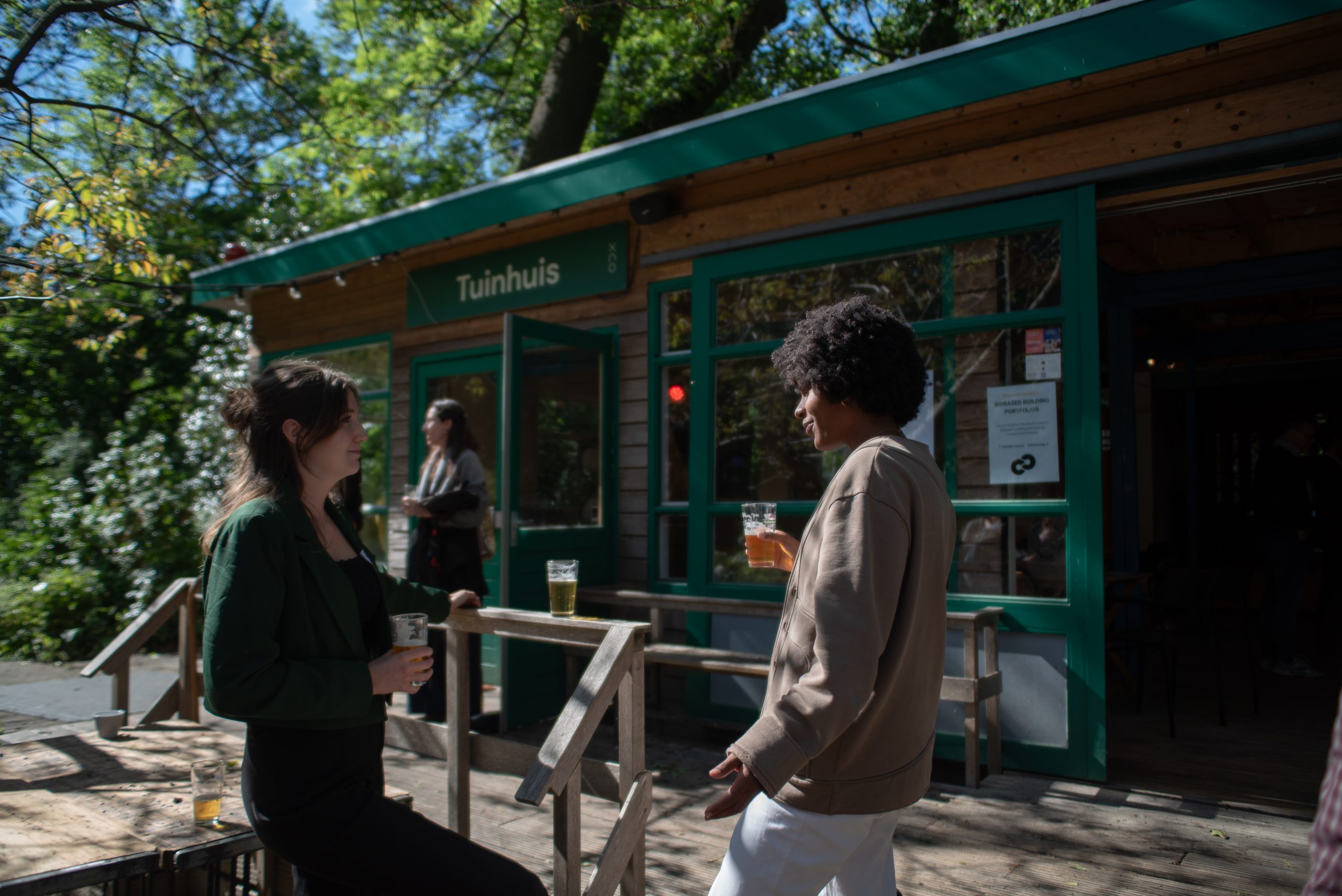
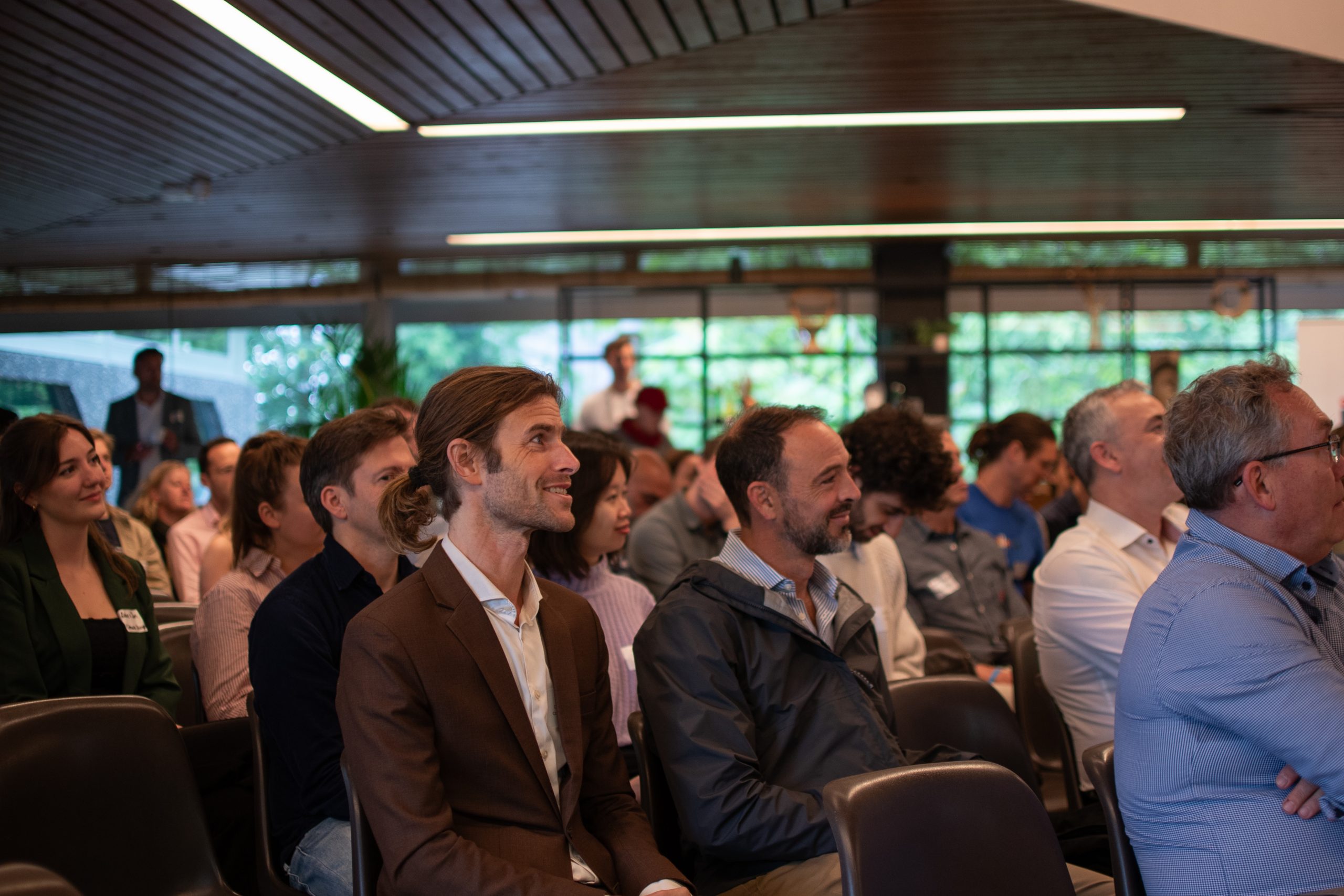
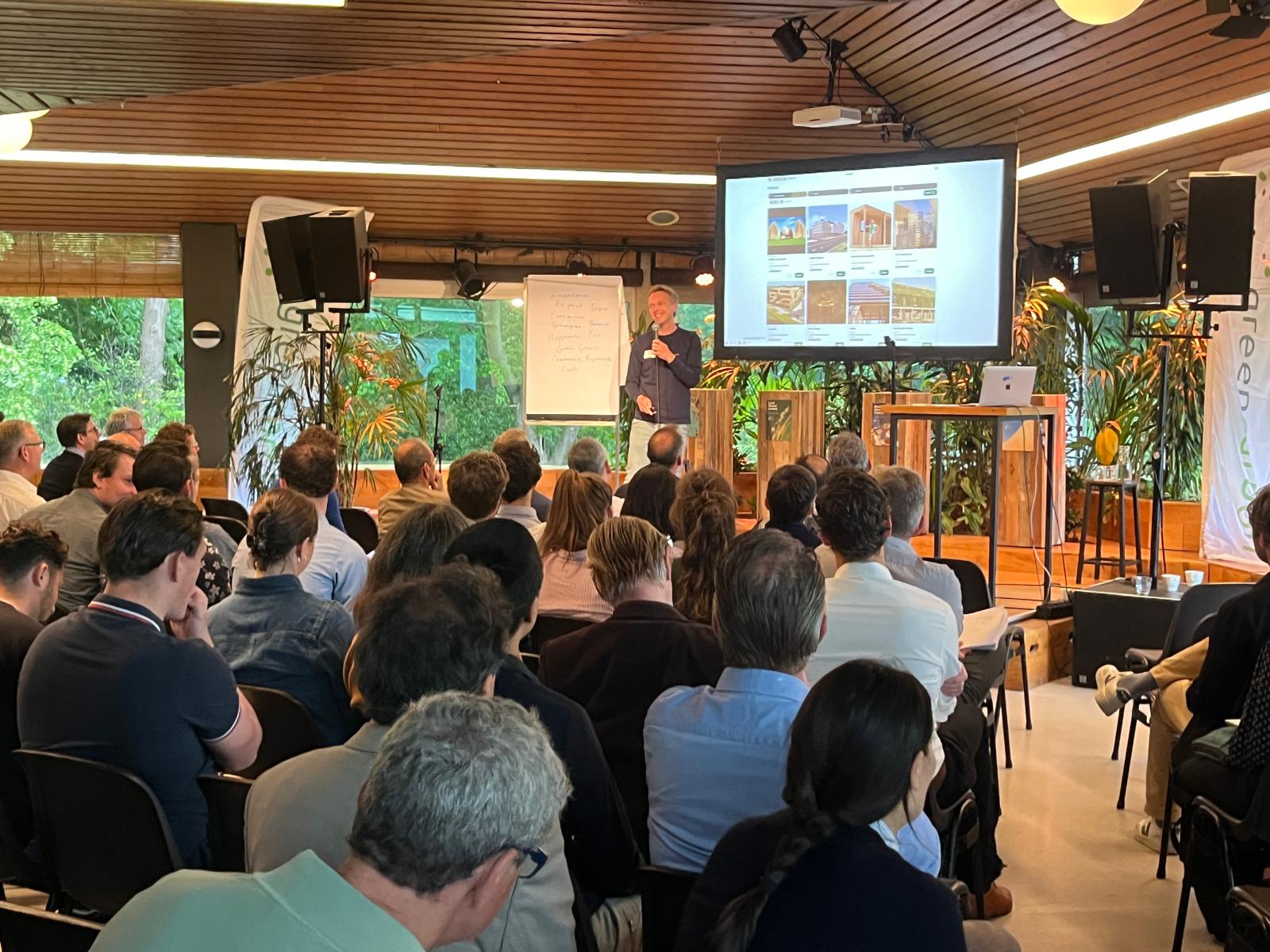
The Spirit of the 2025 CDR Conference, Captured in Moments
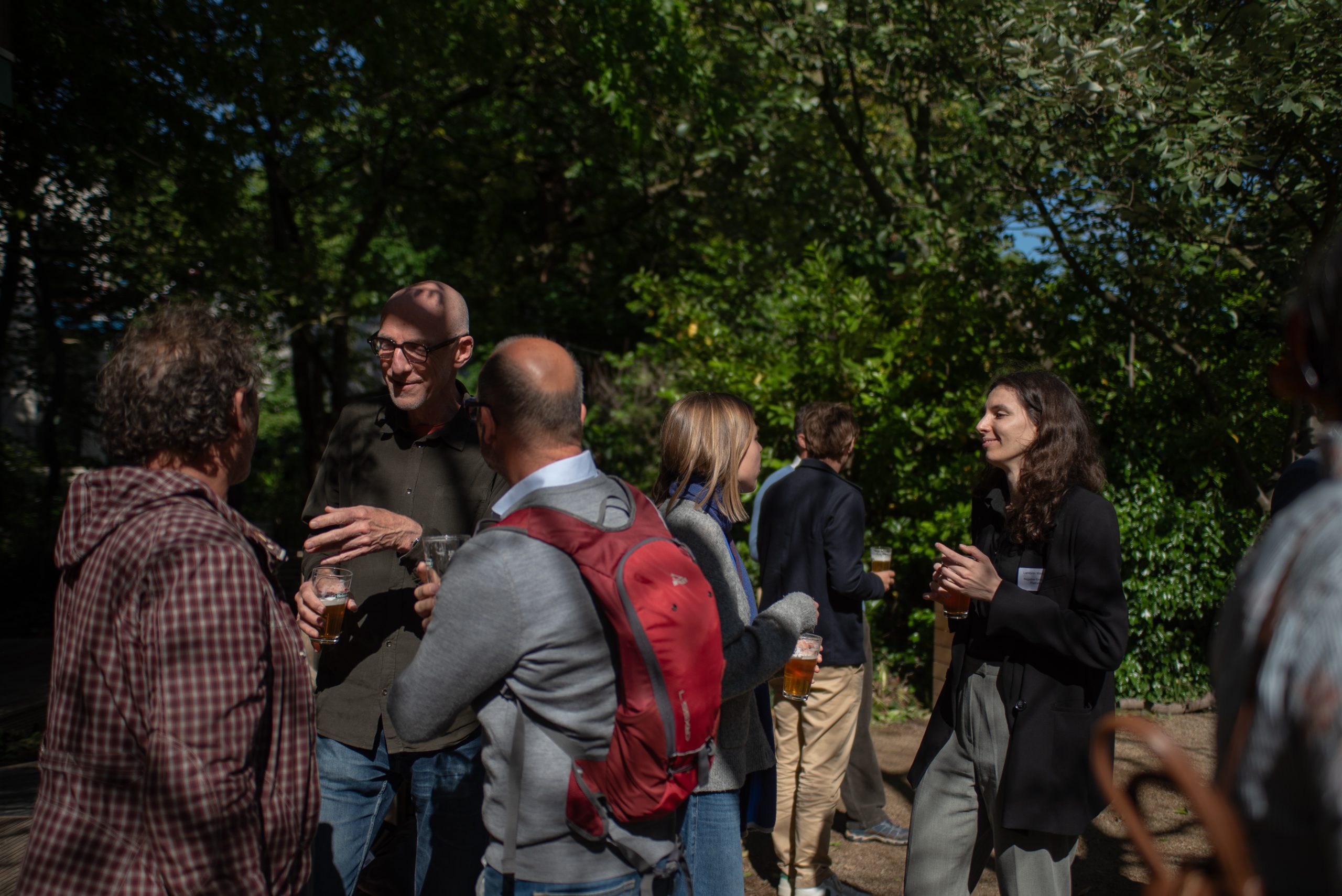
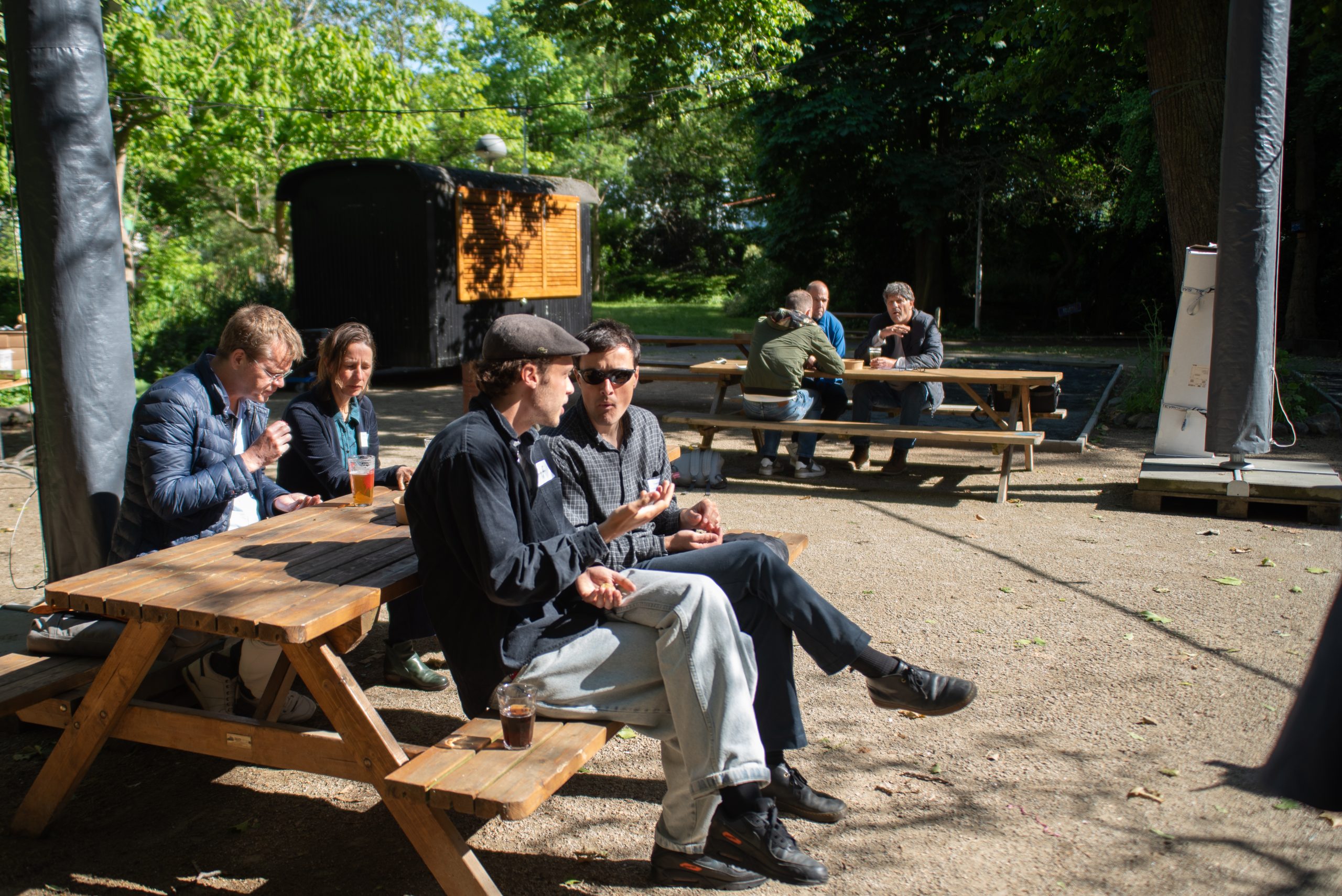
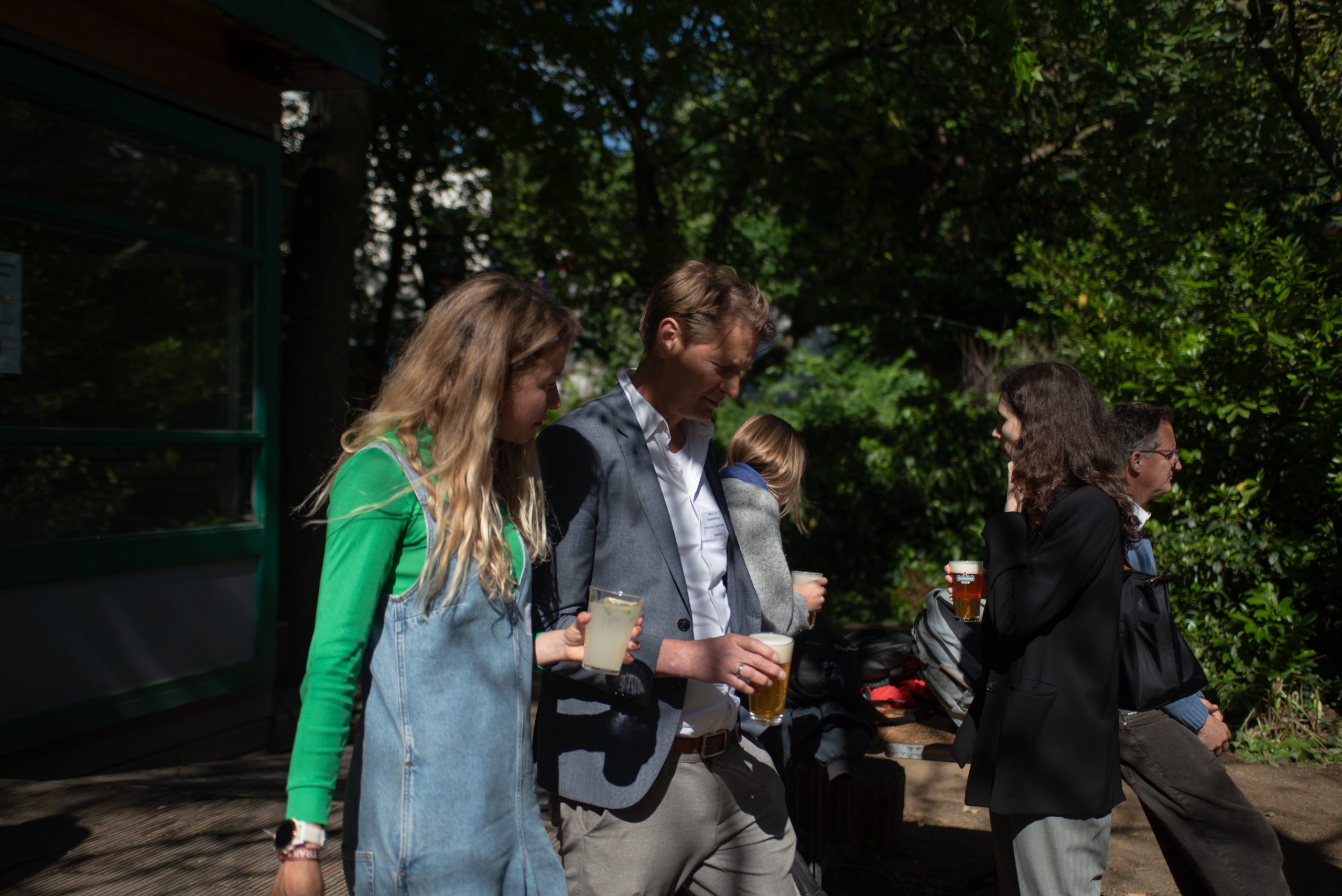
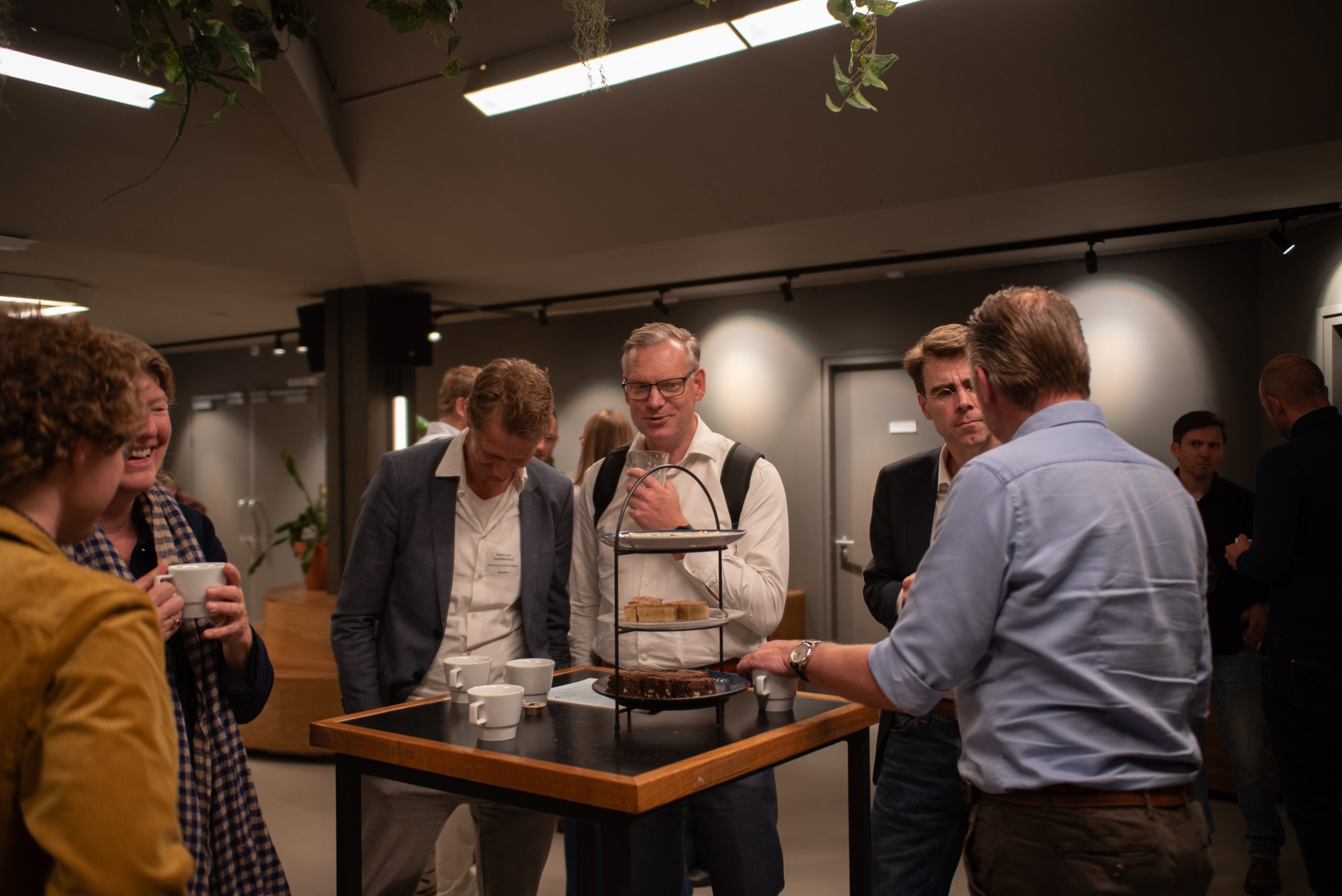
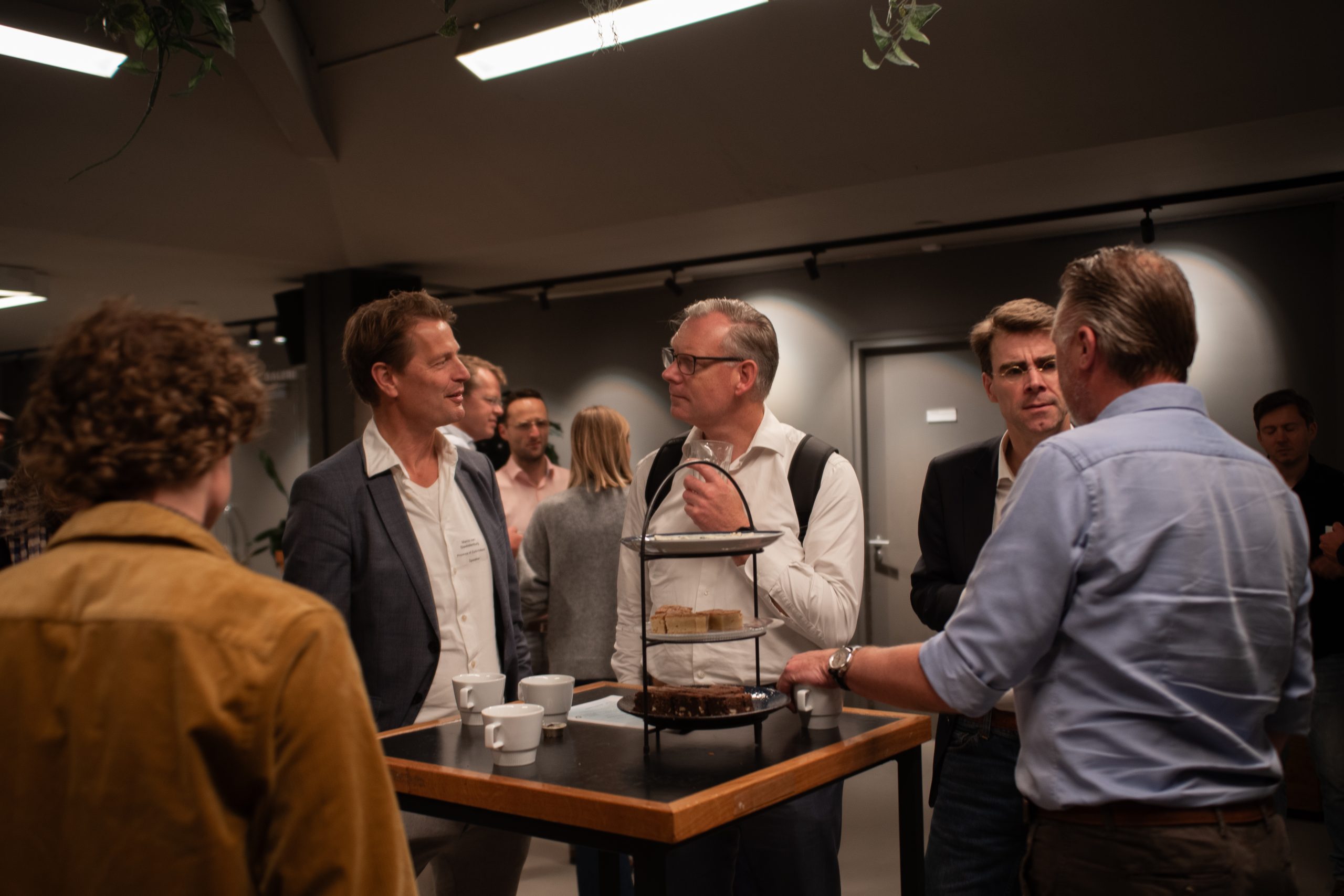
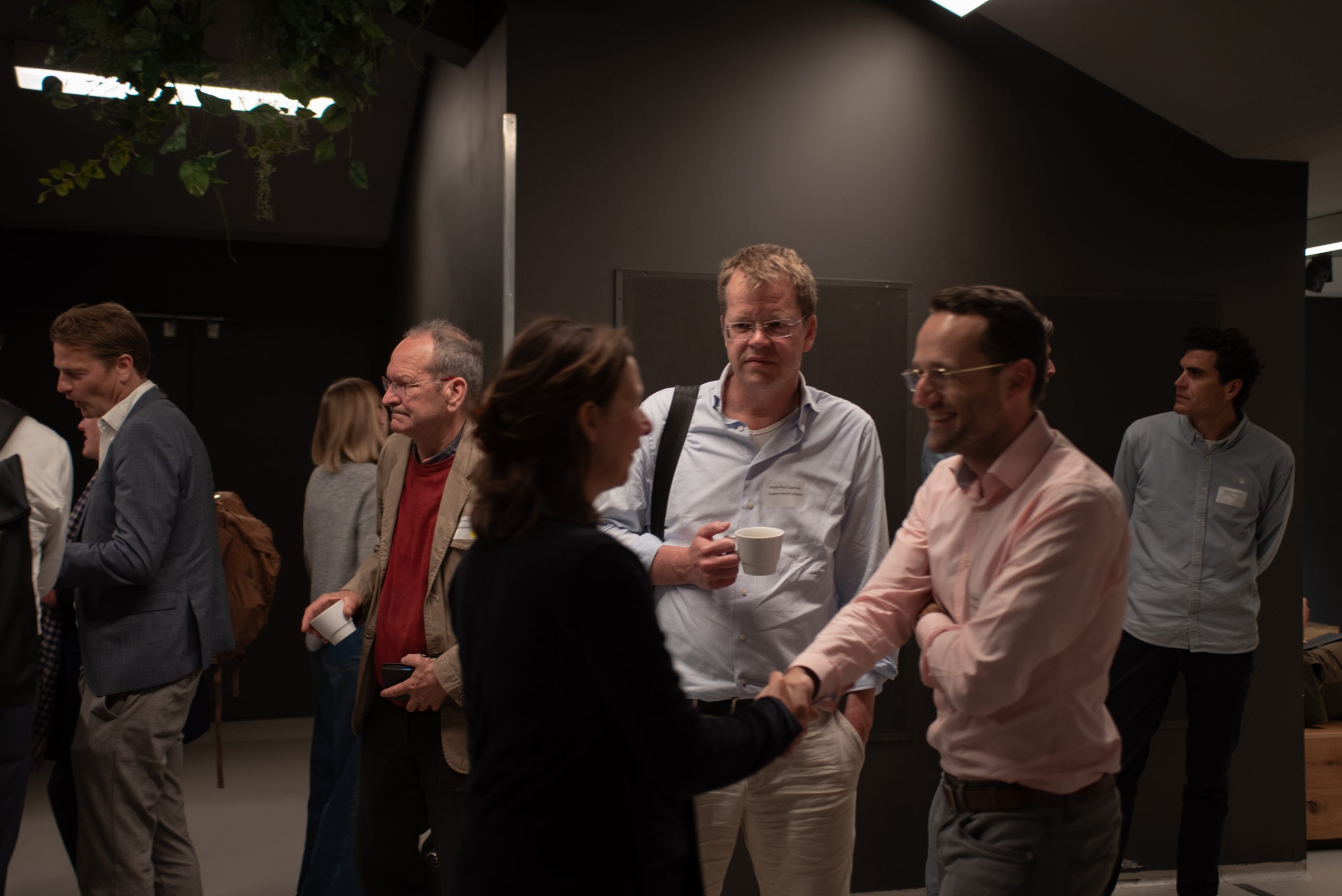
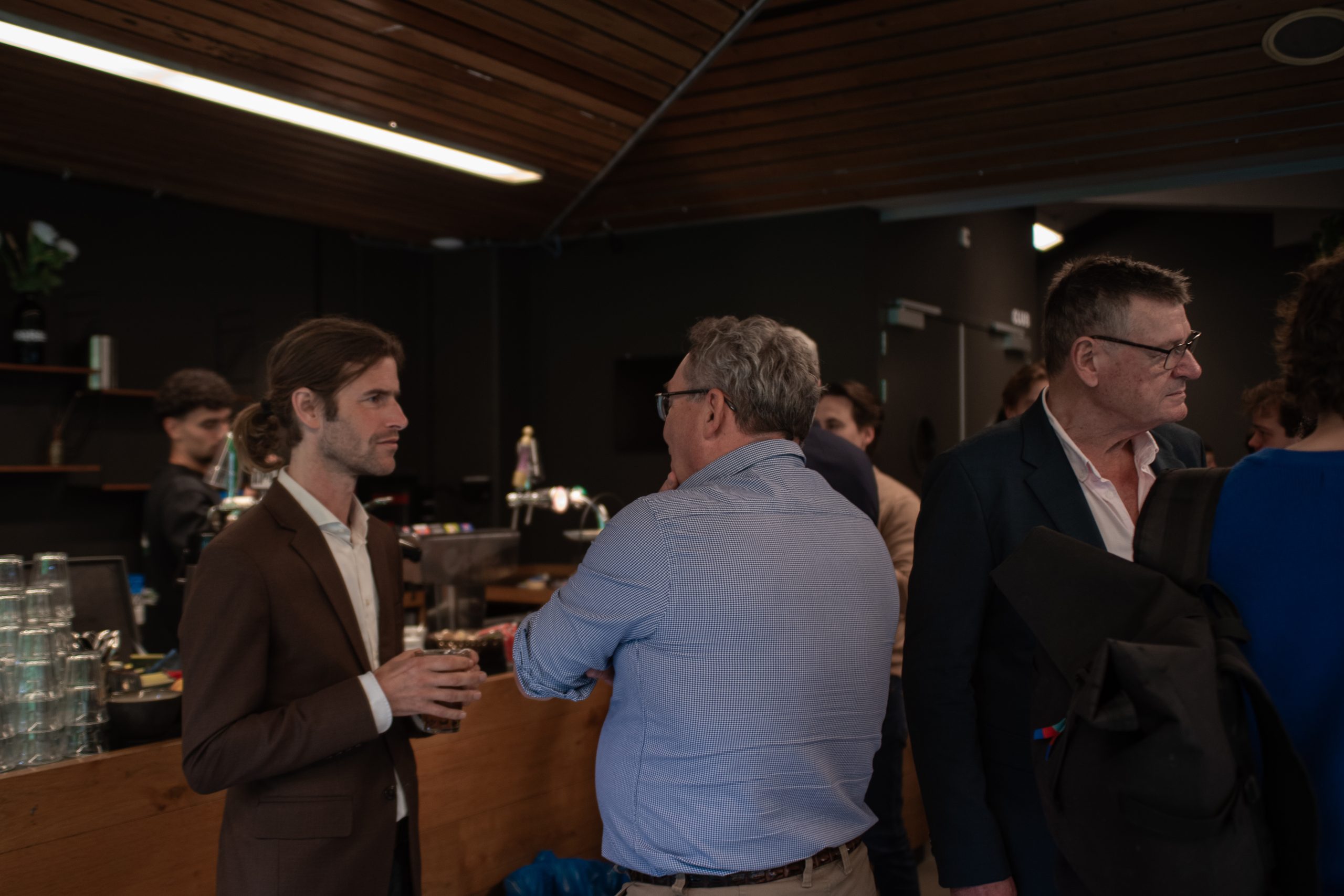
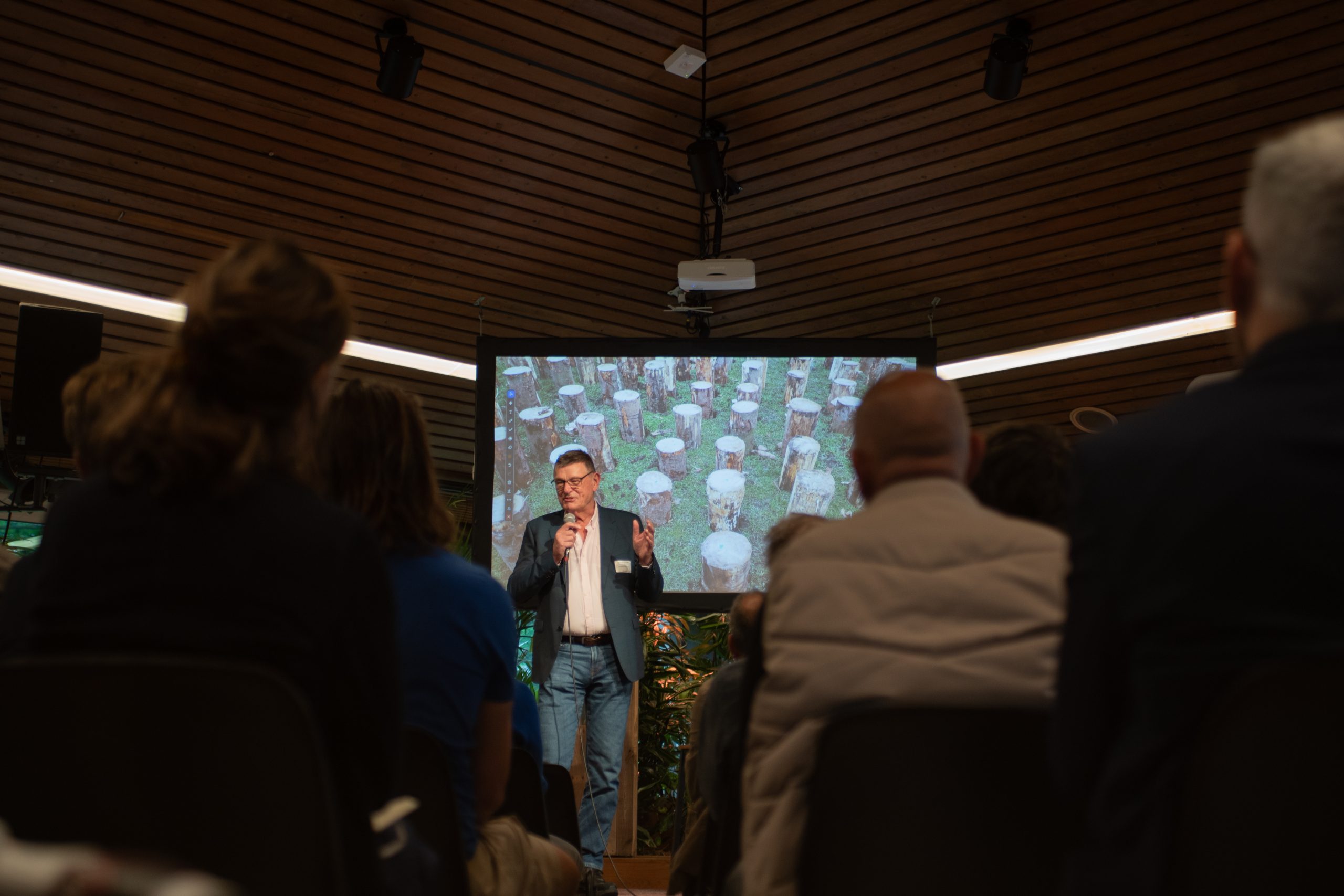
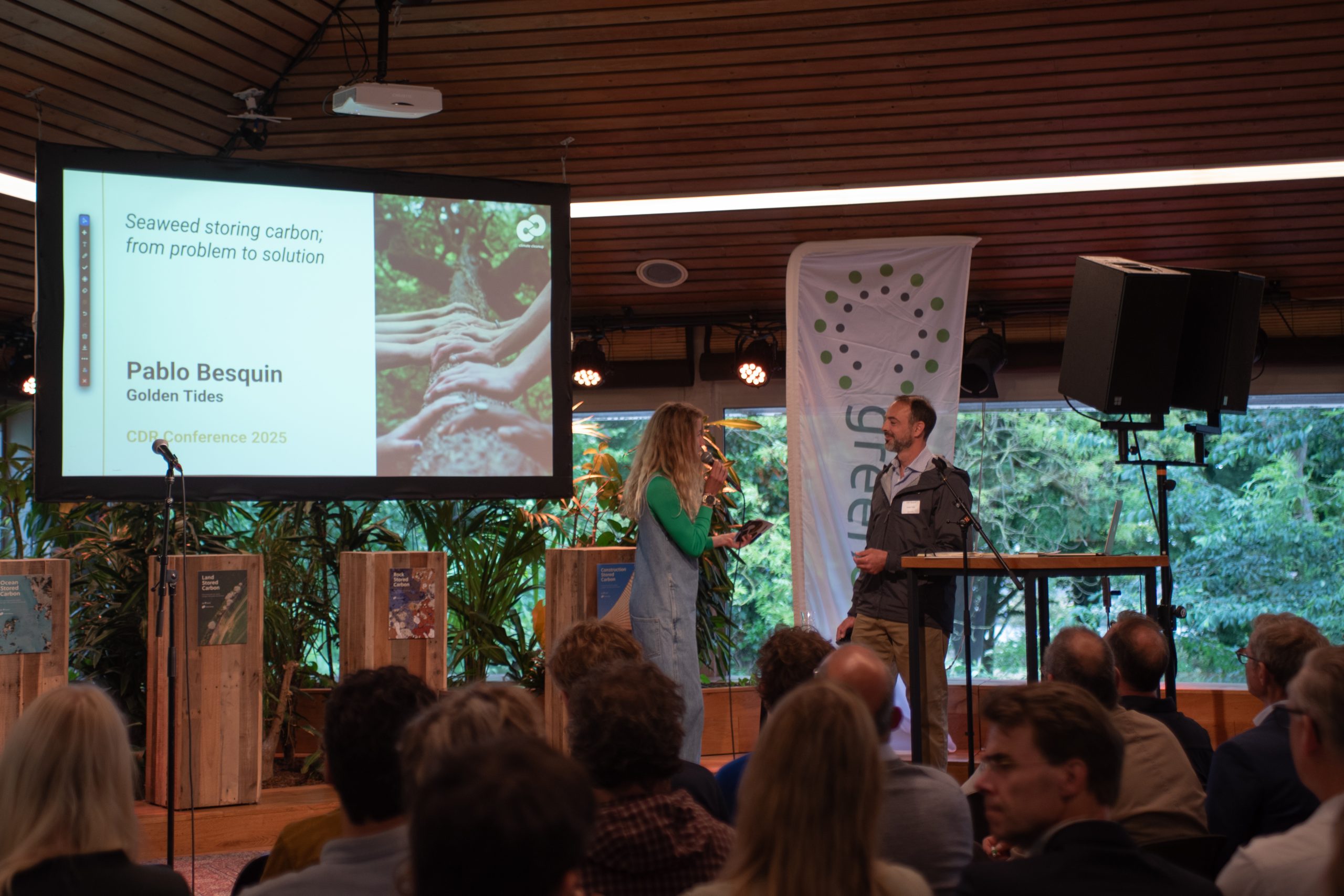
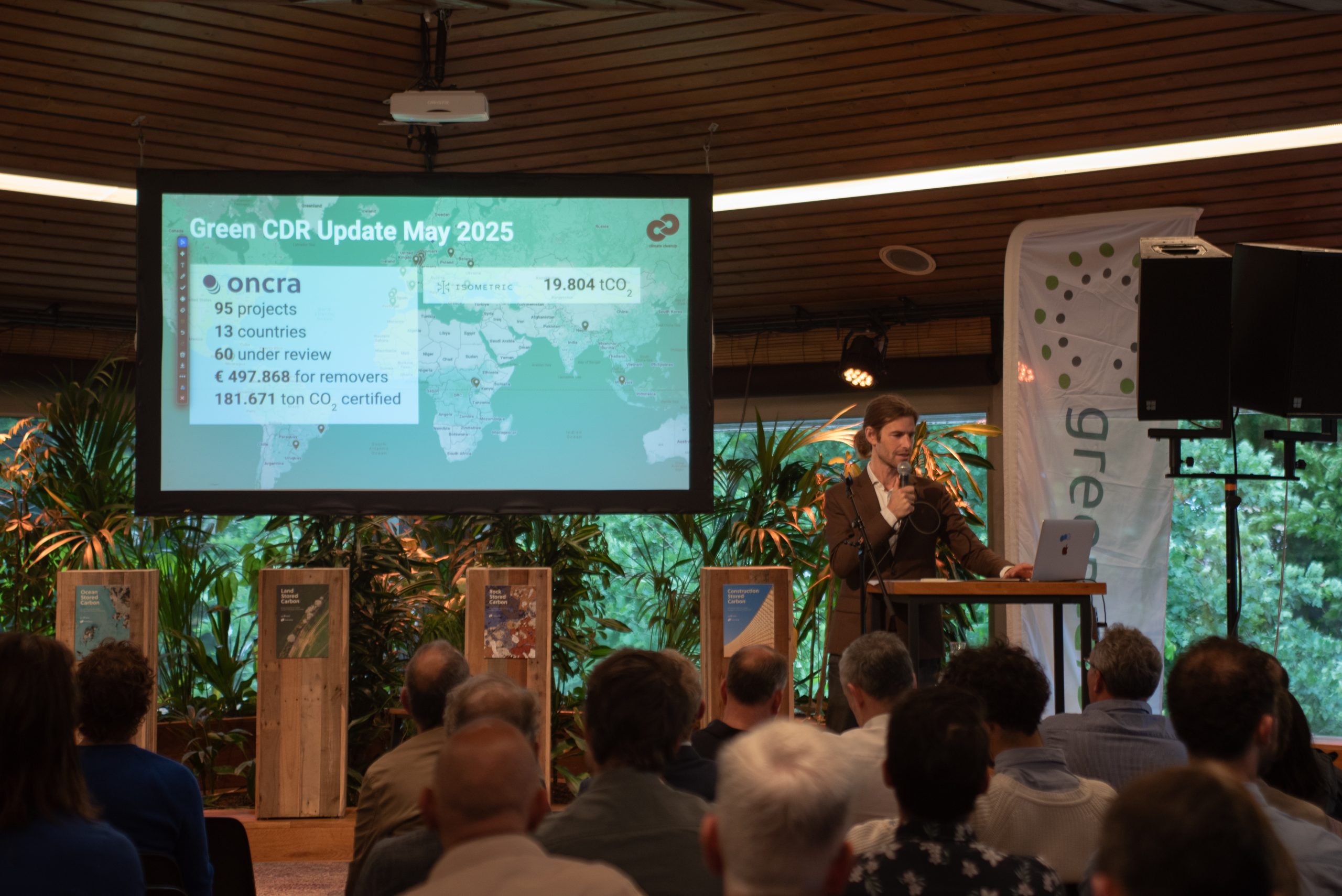
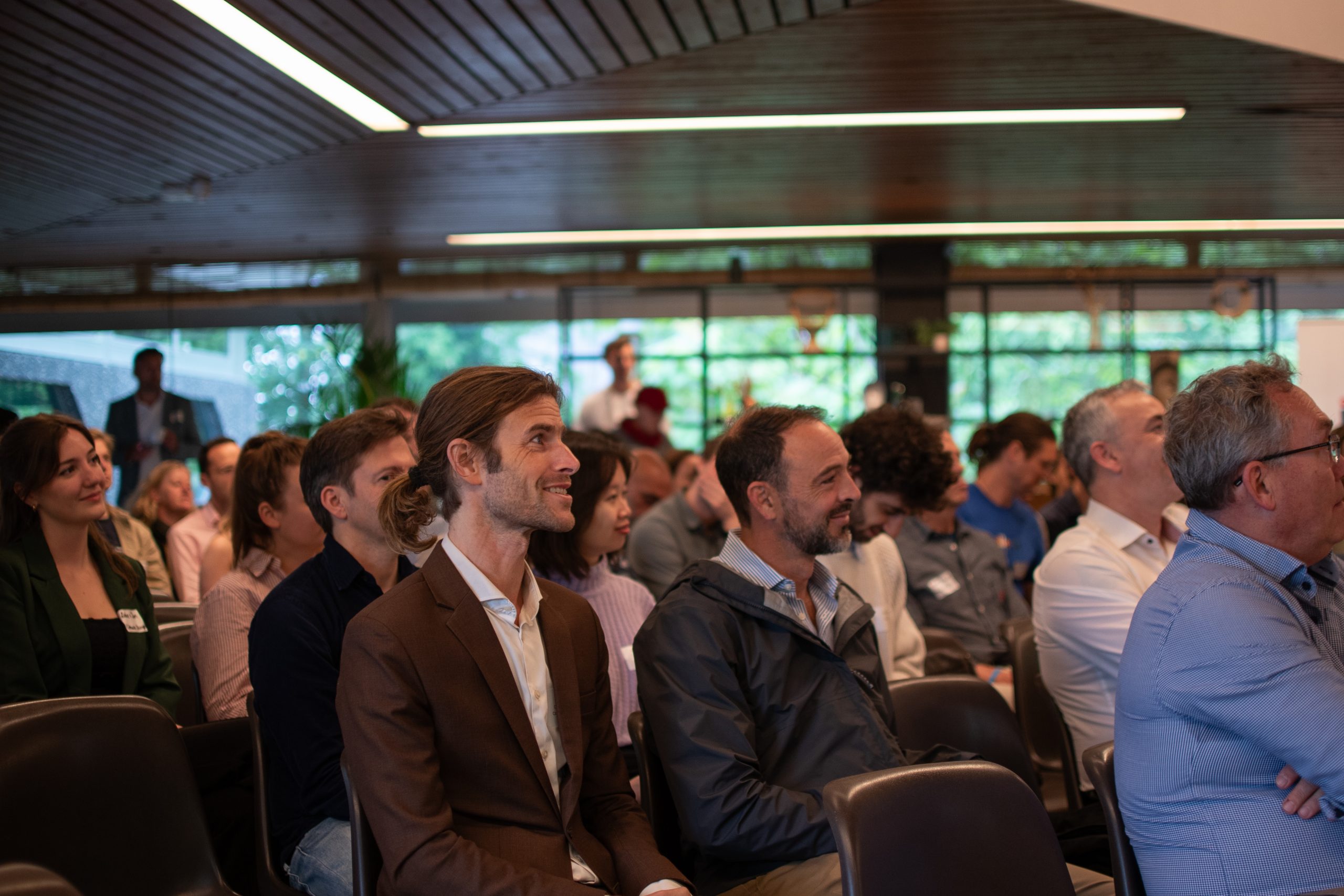
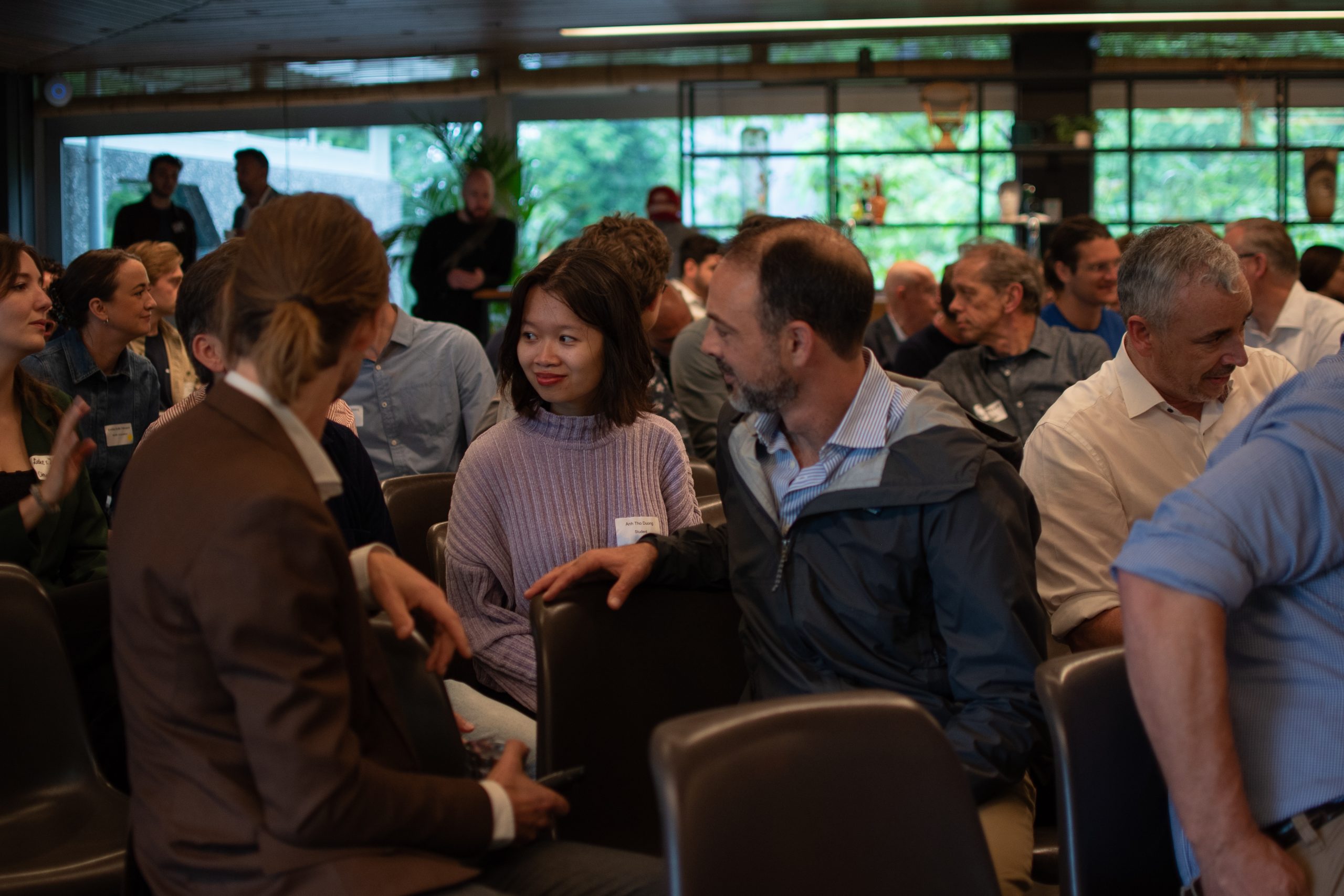
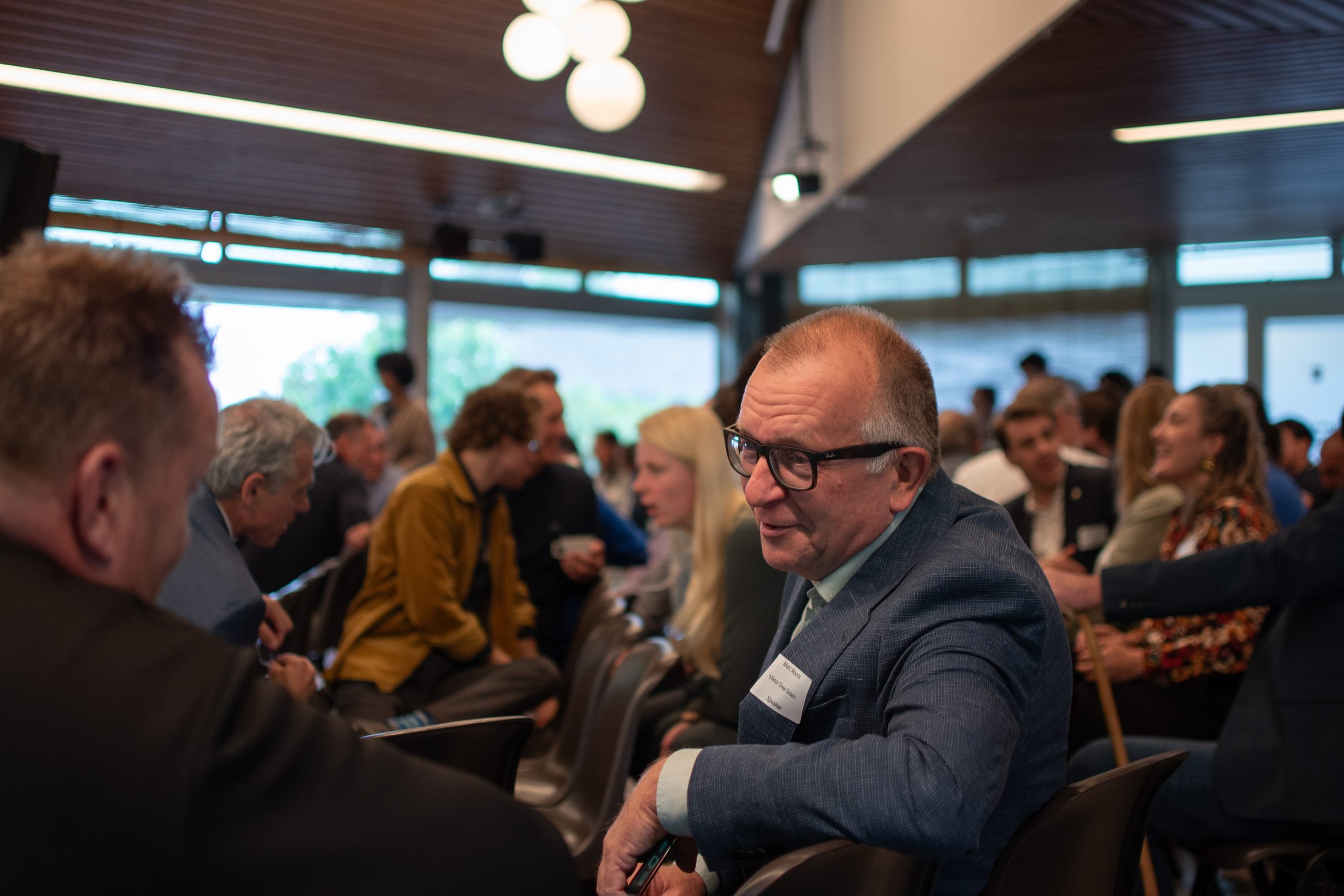
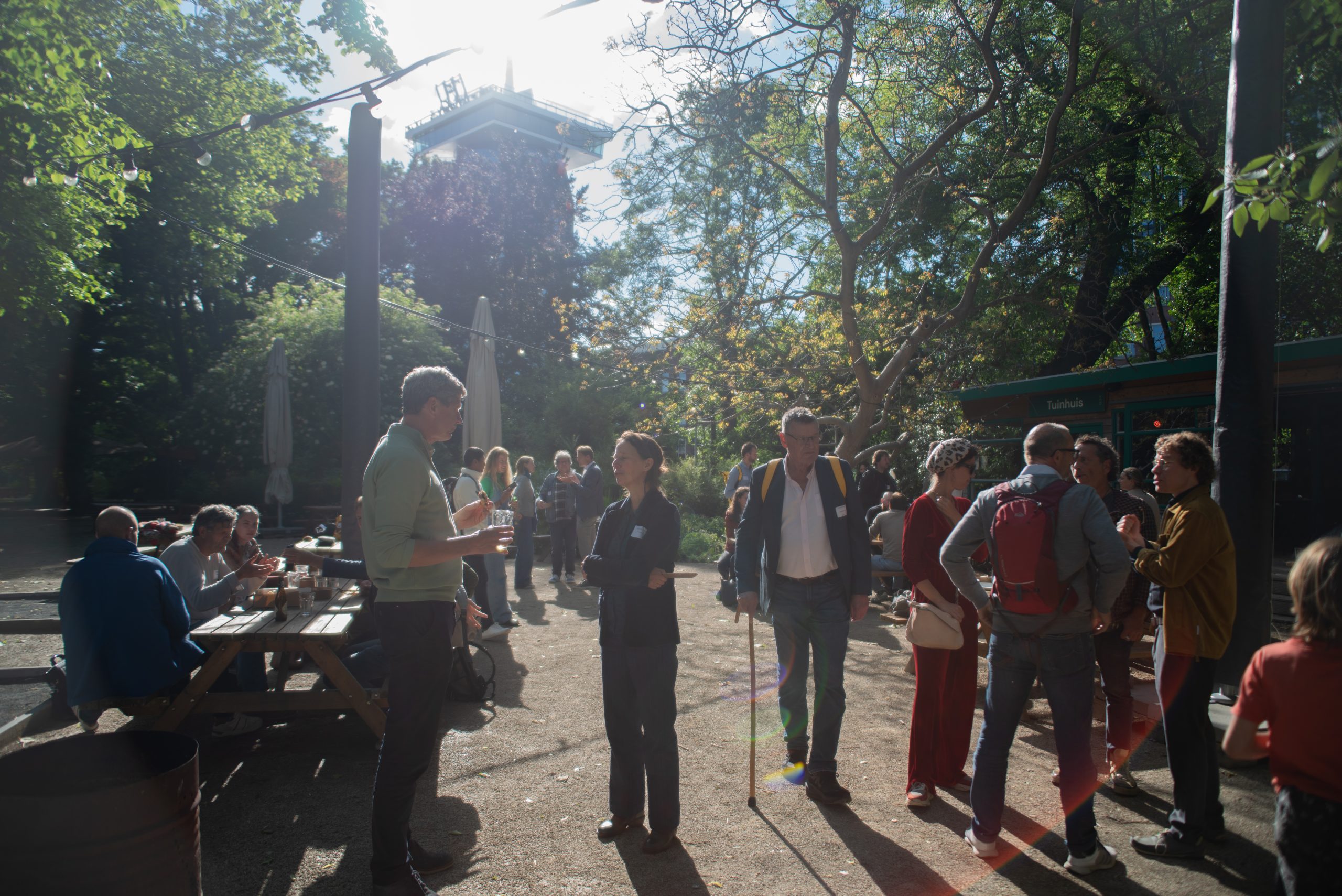
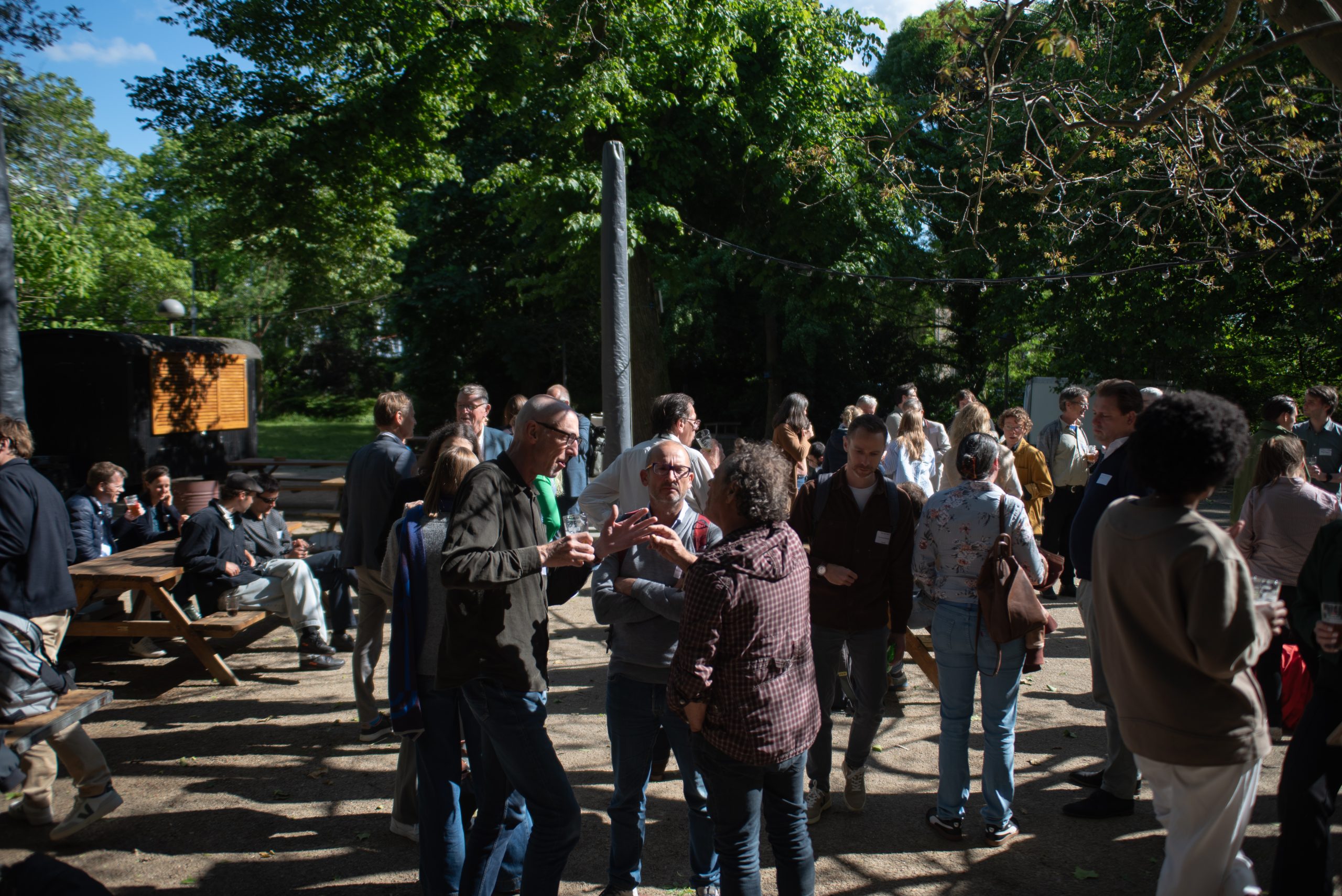
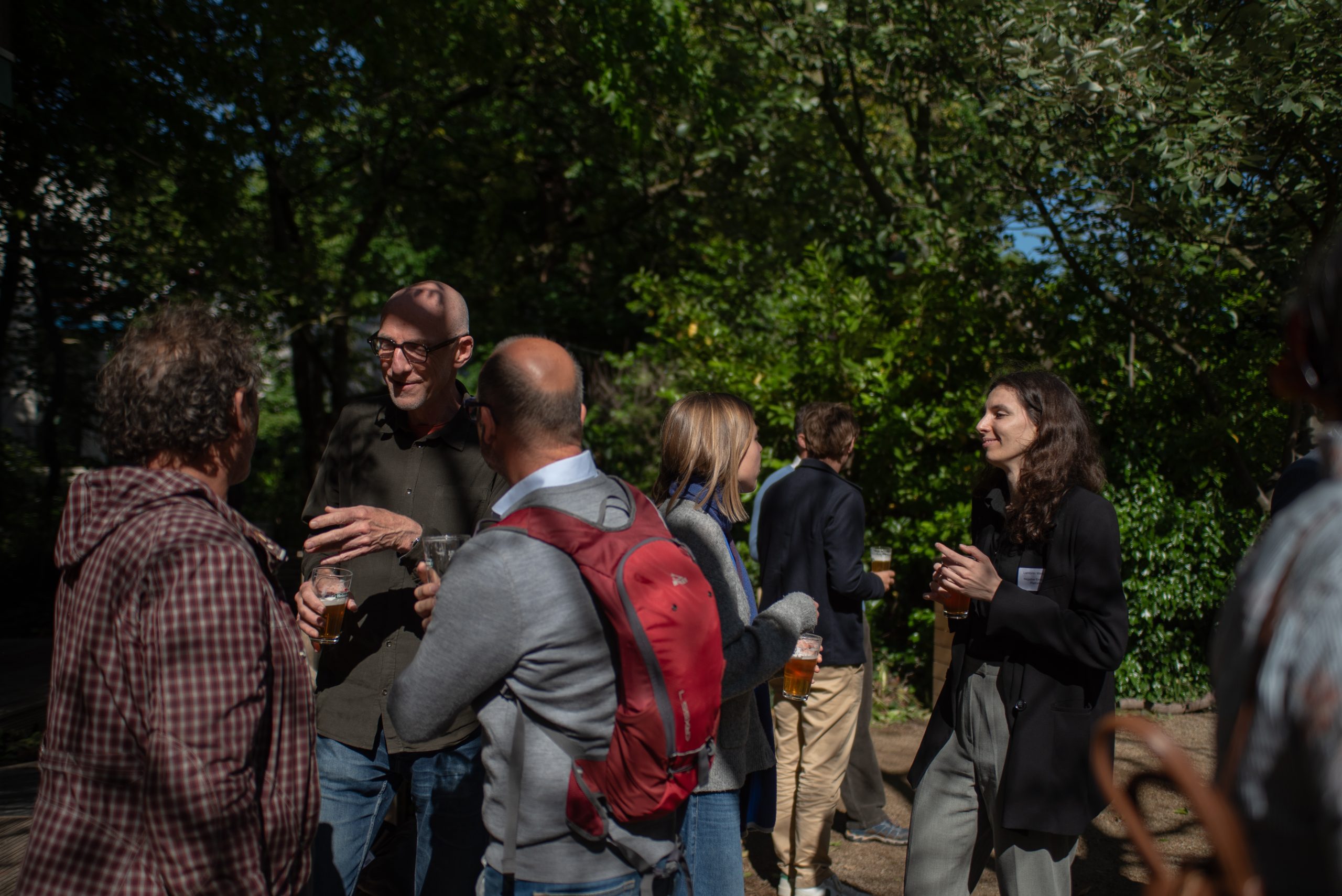
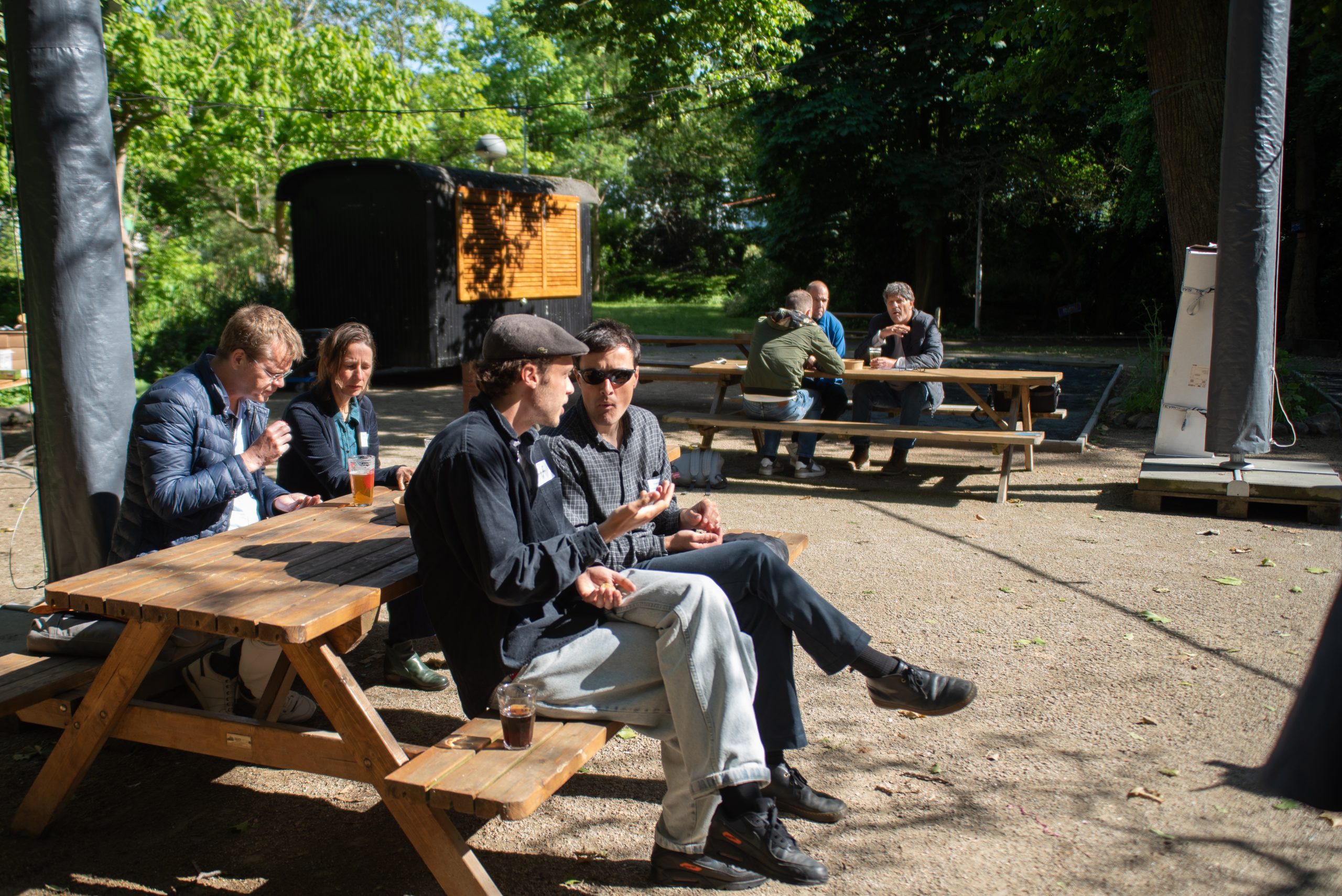
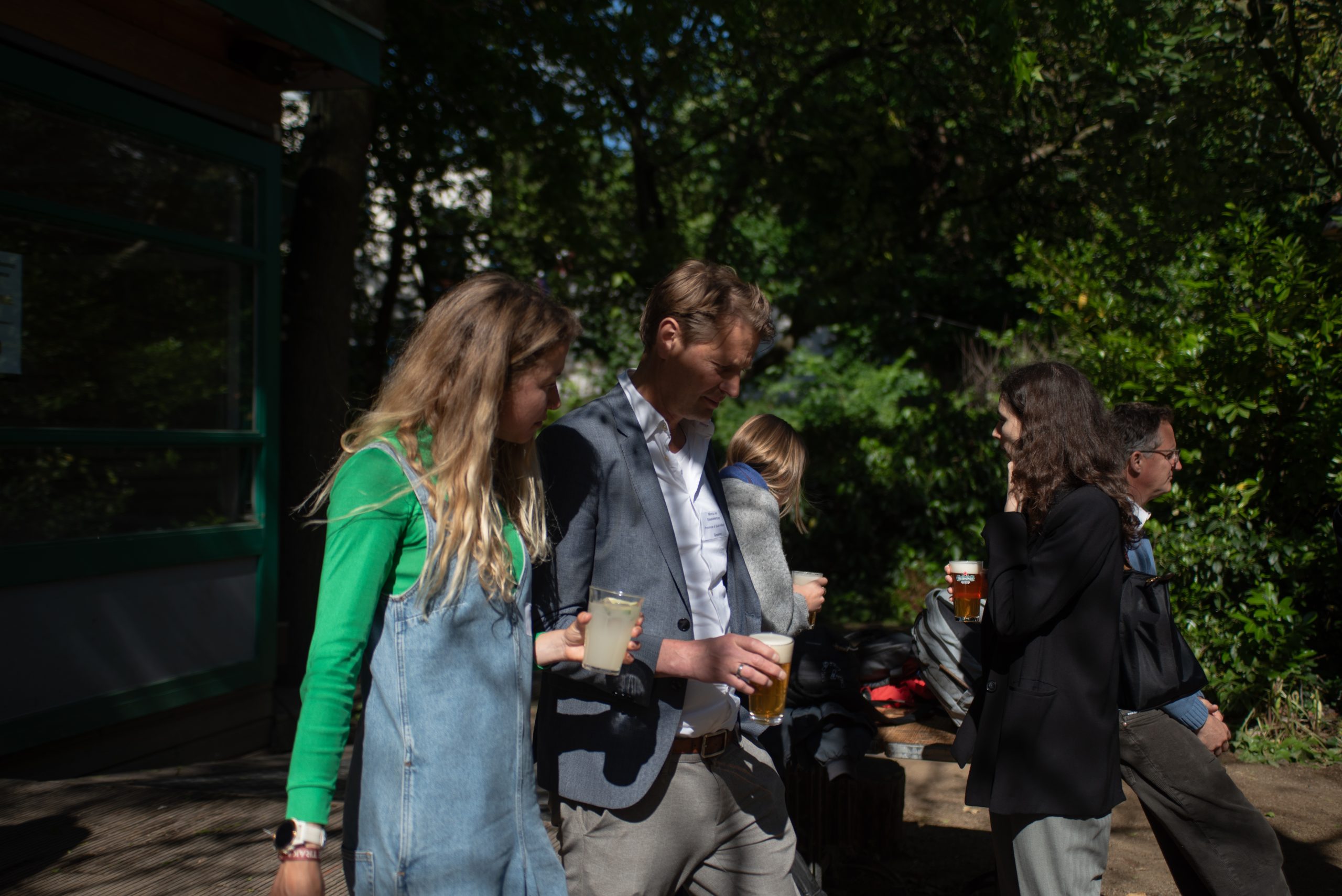
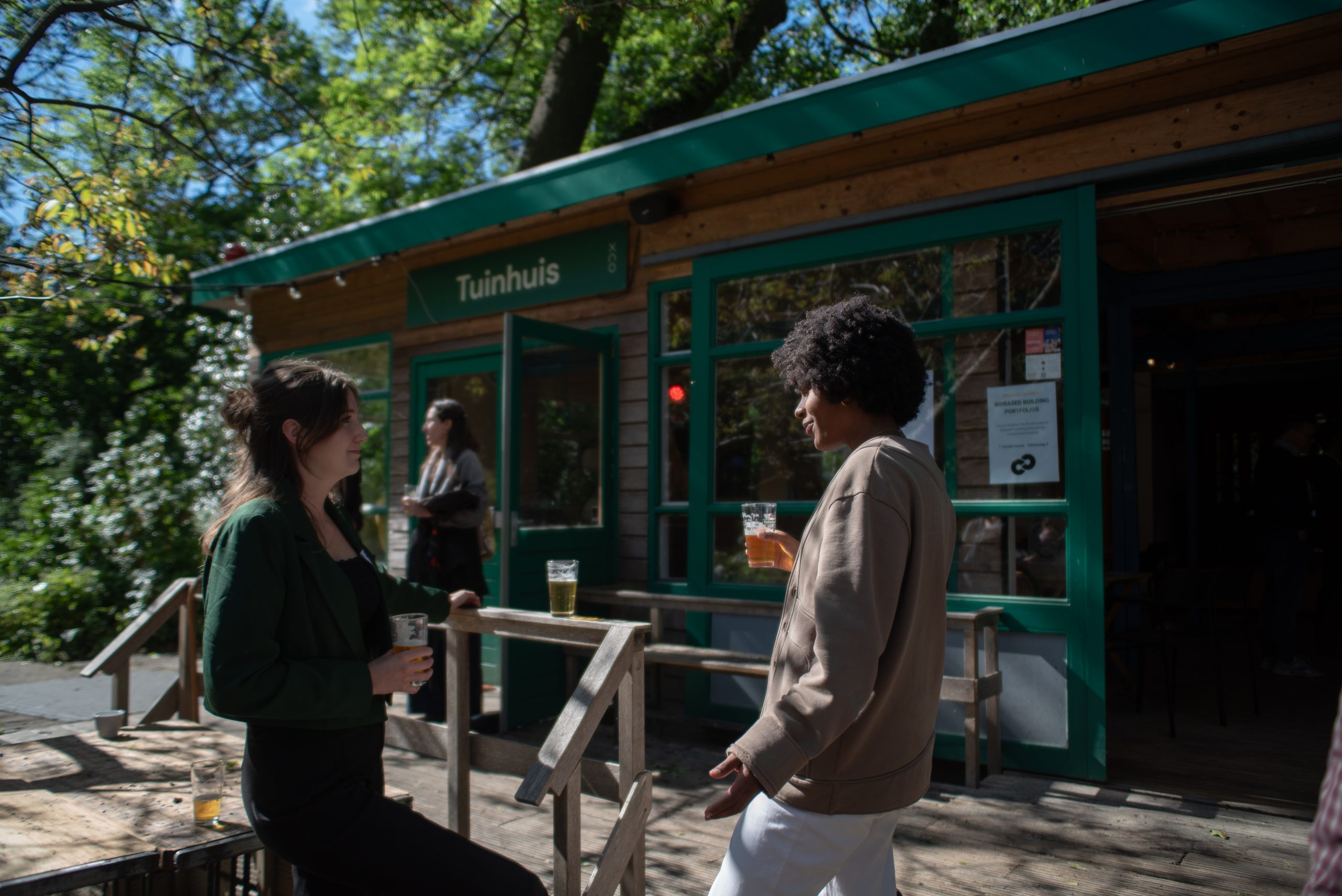
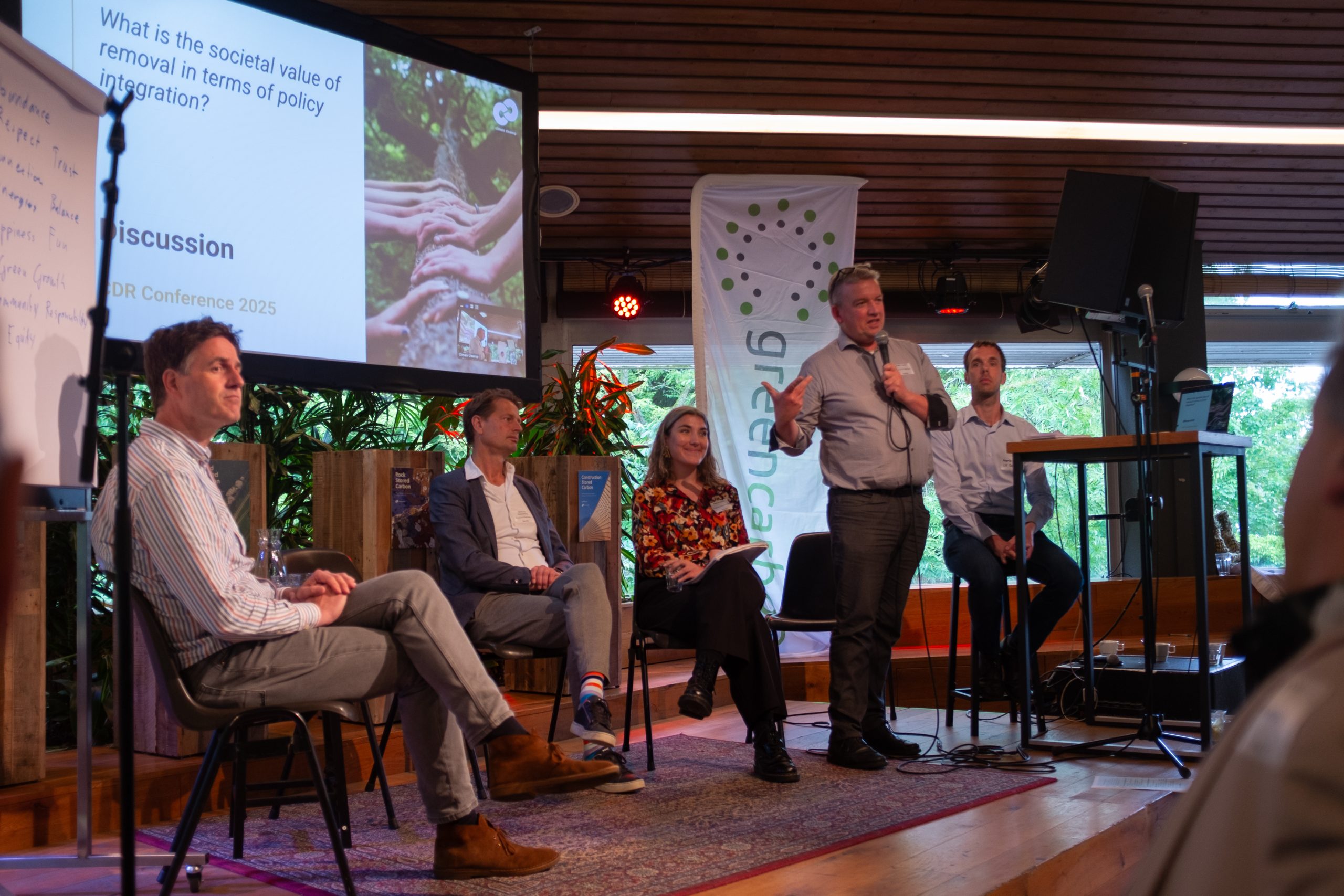
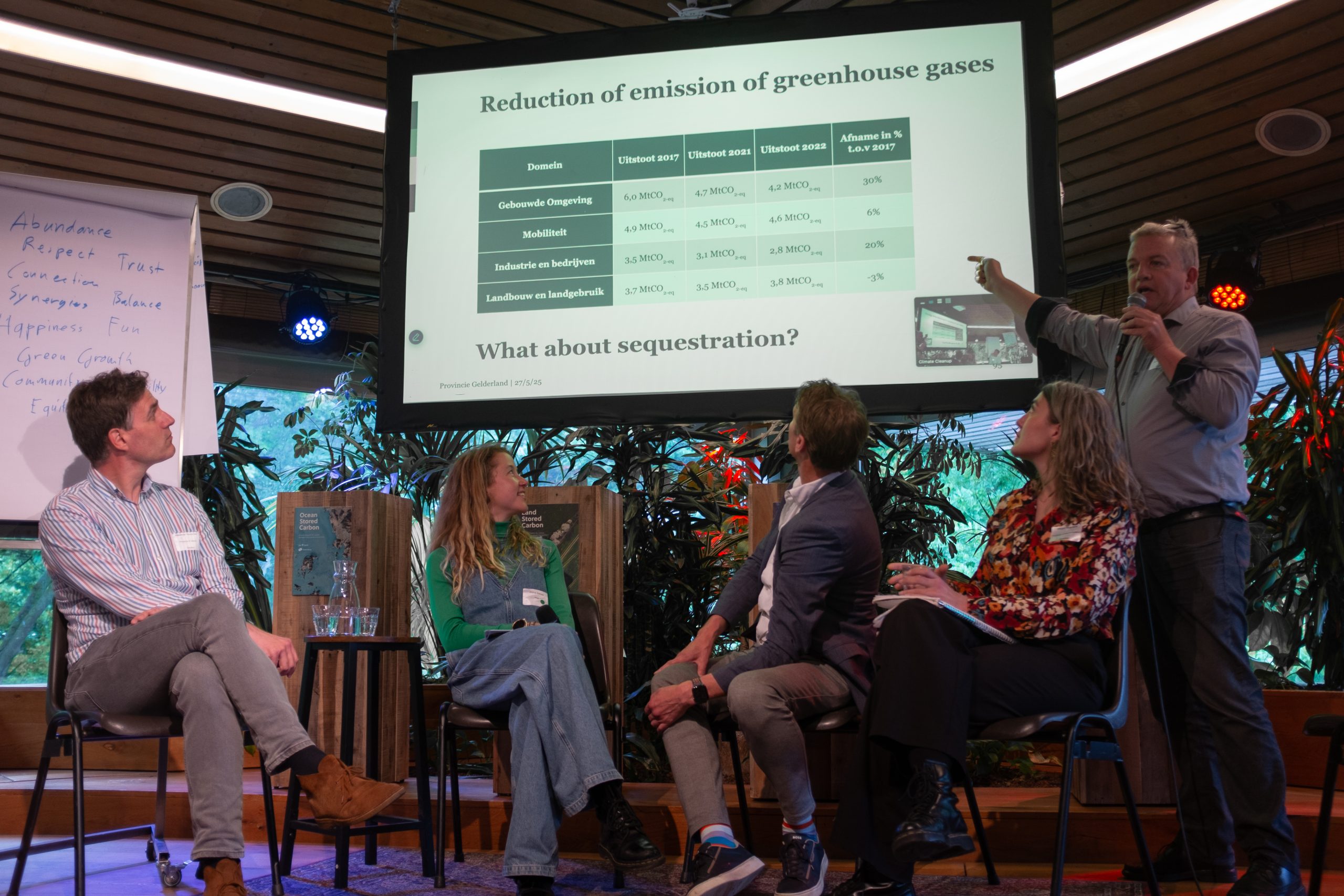
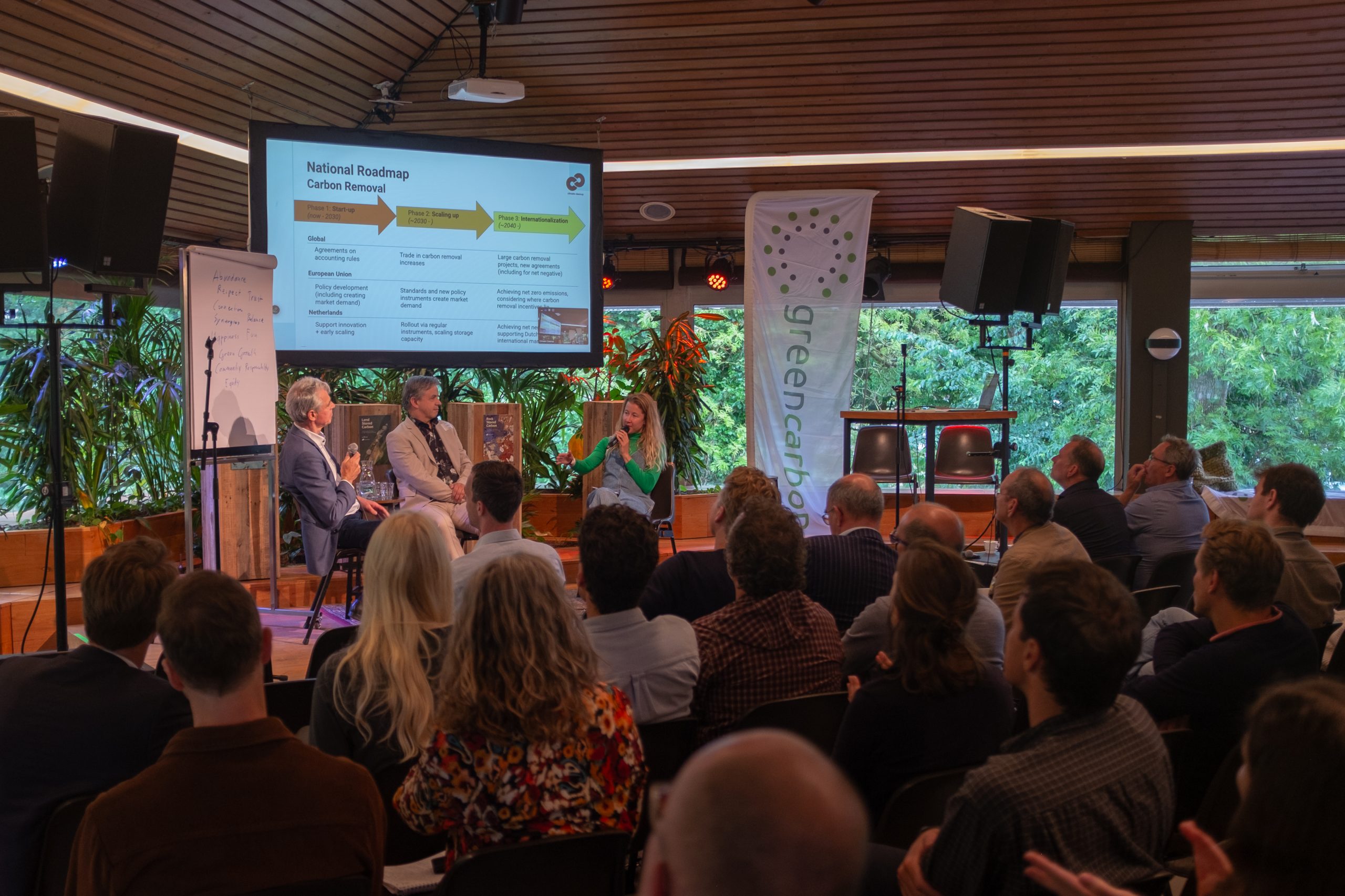
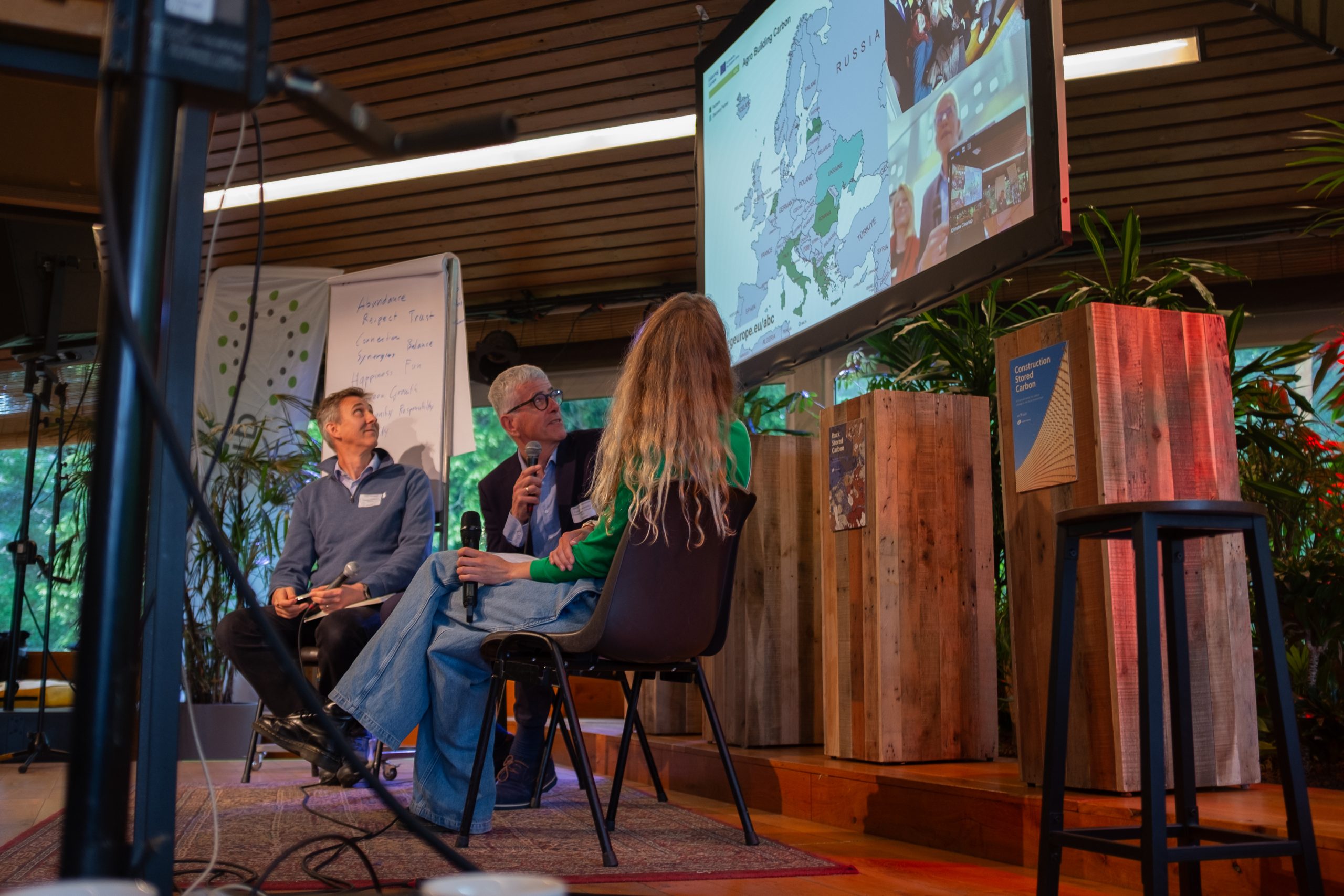
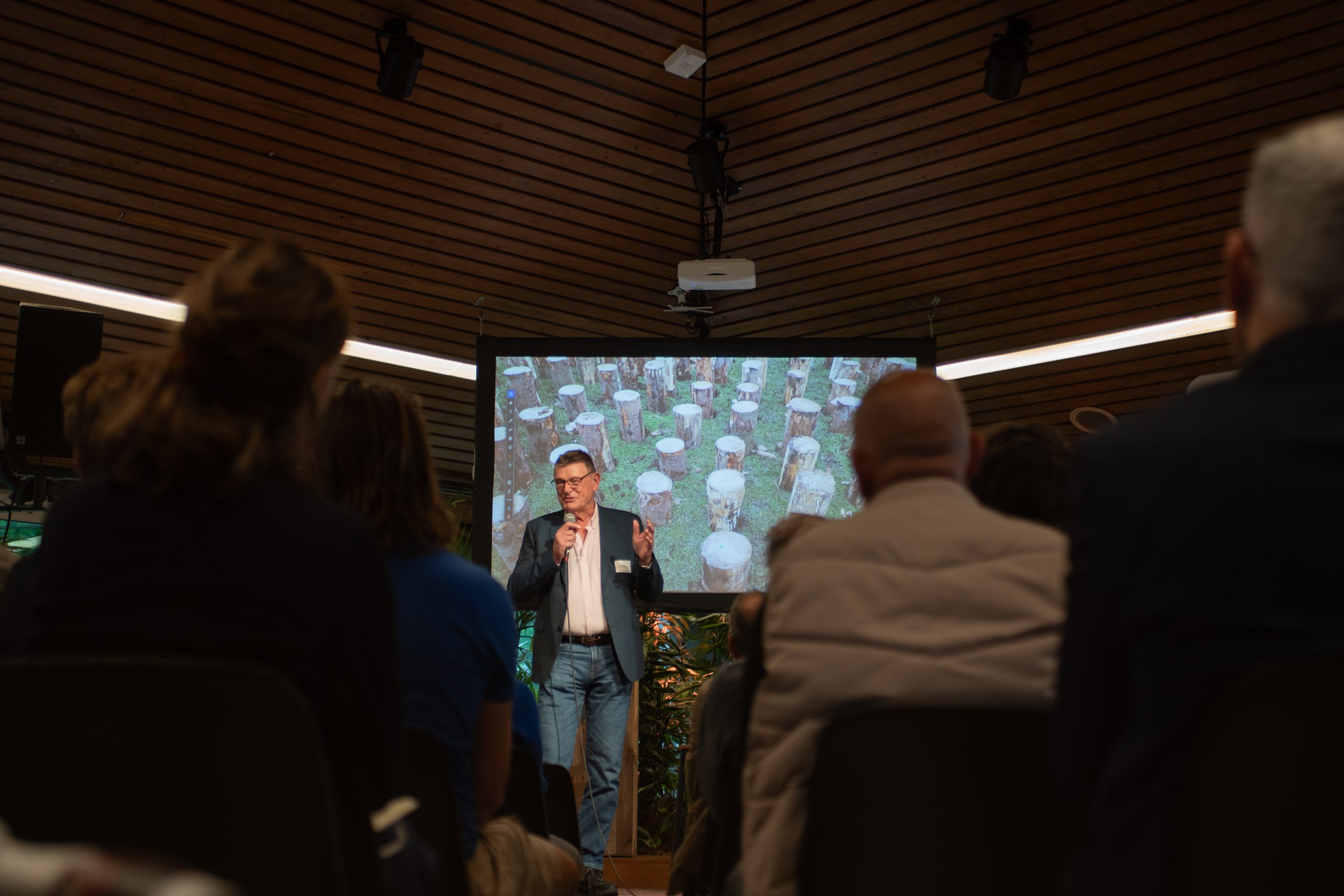
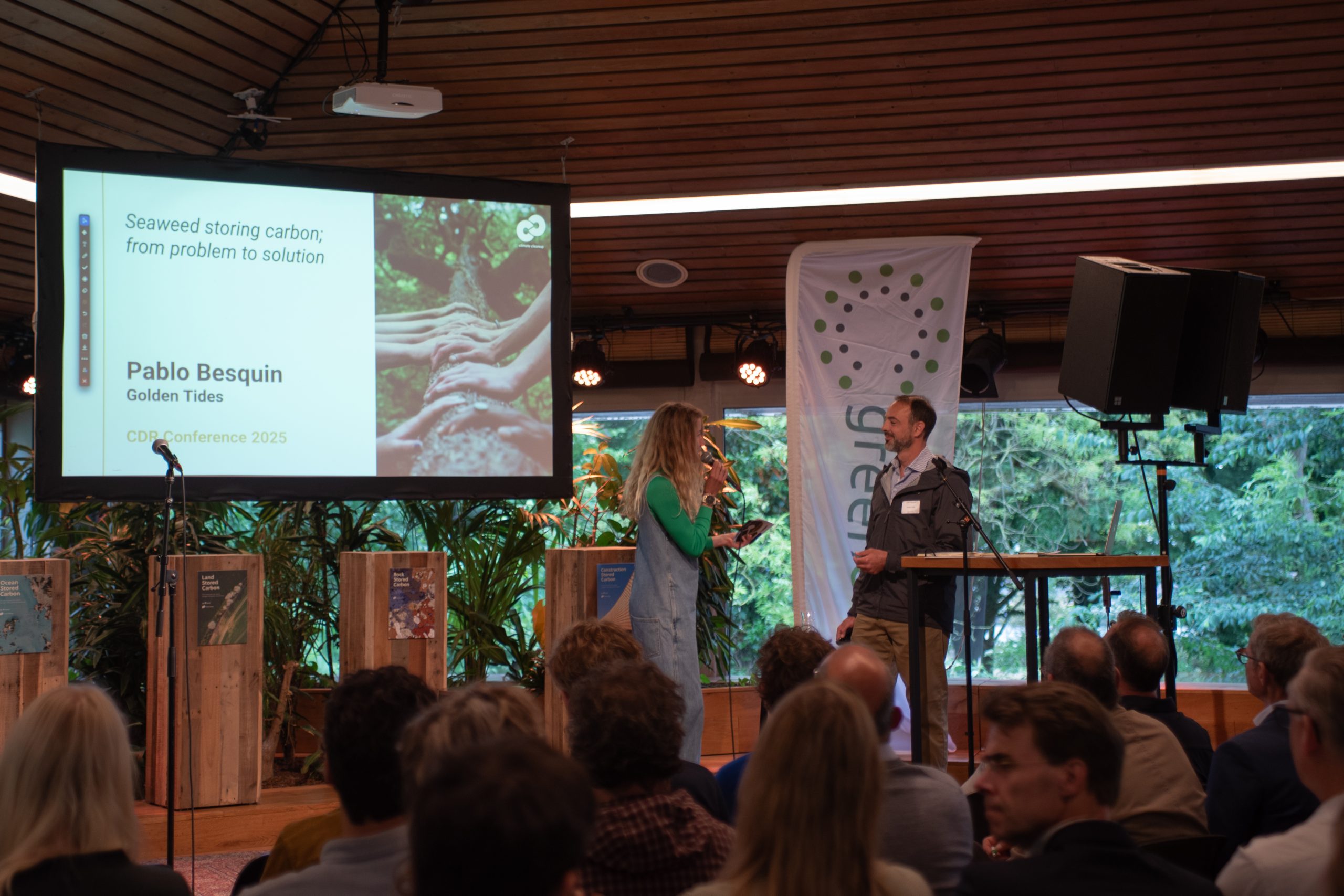
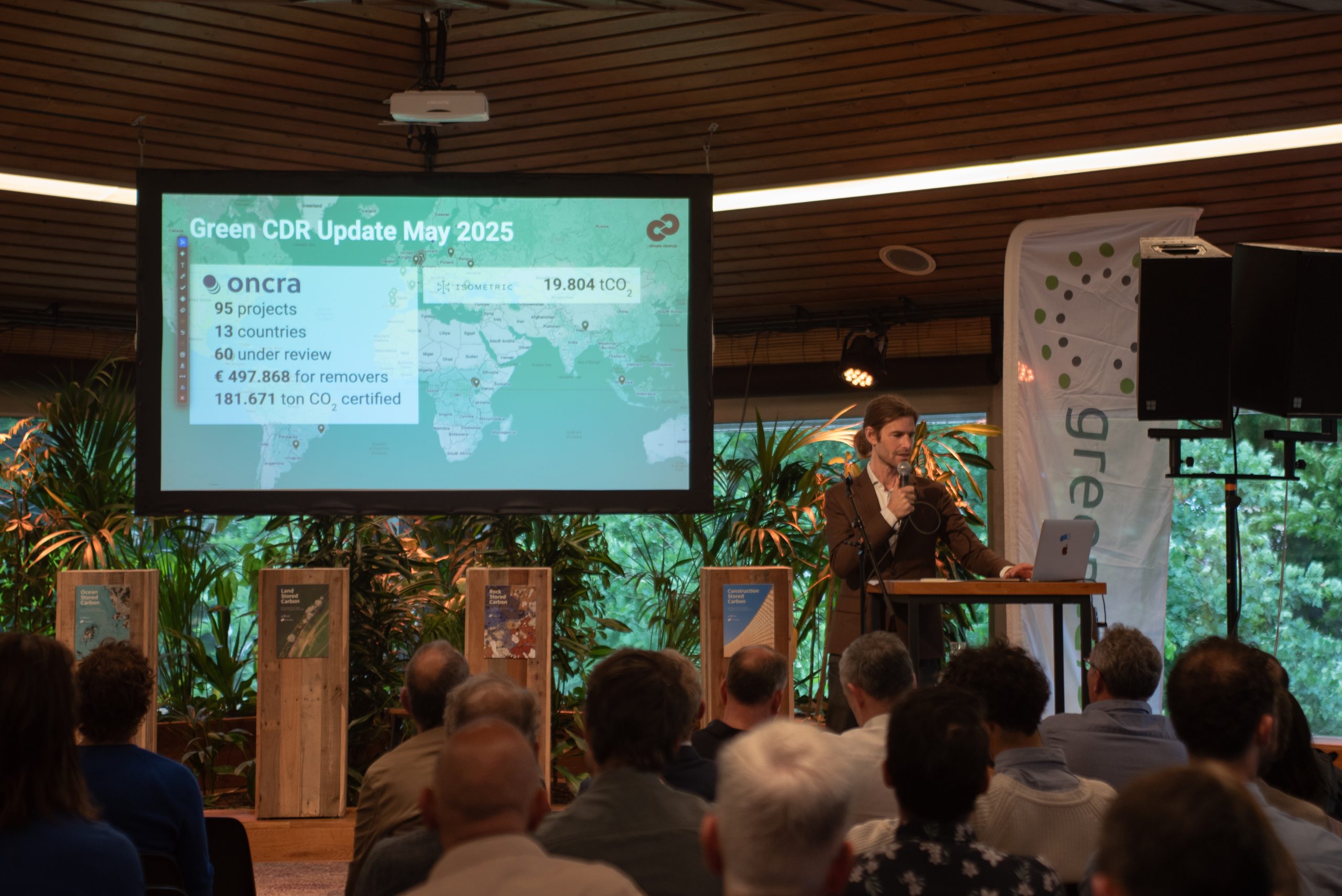
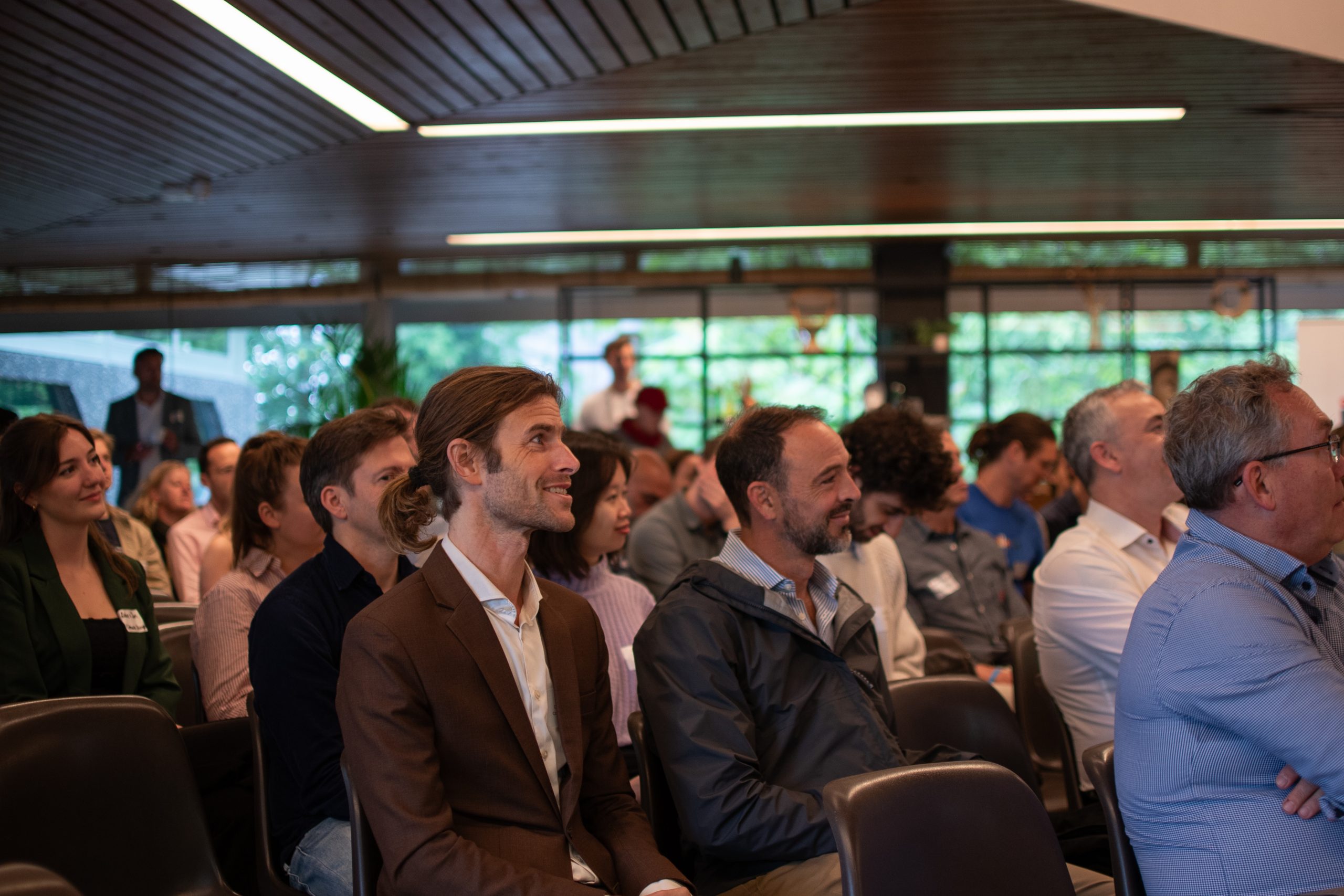
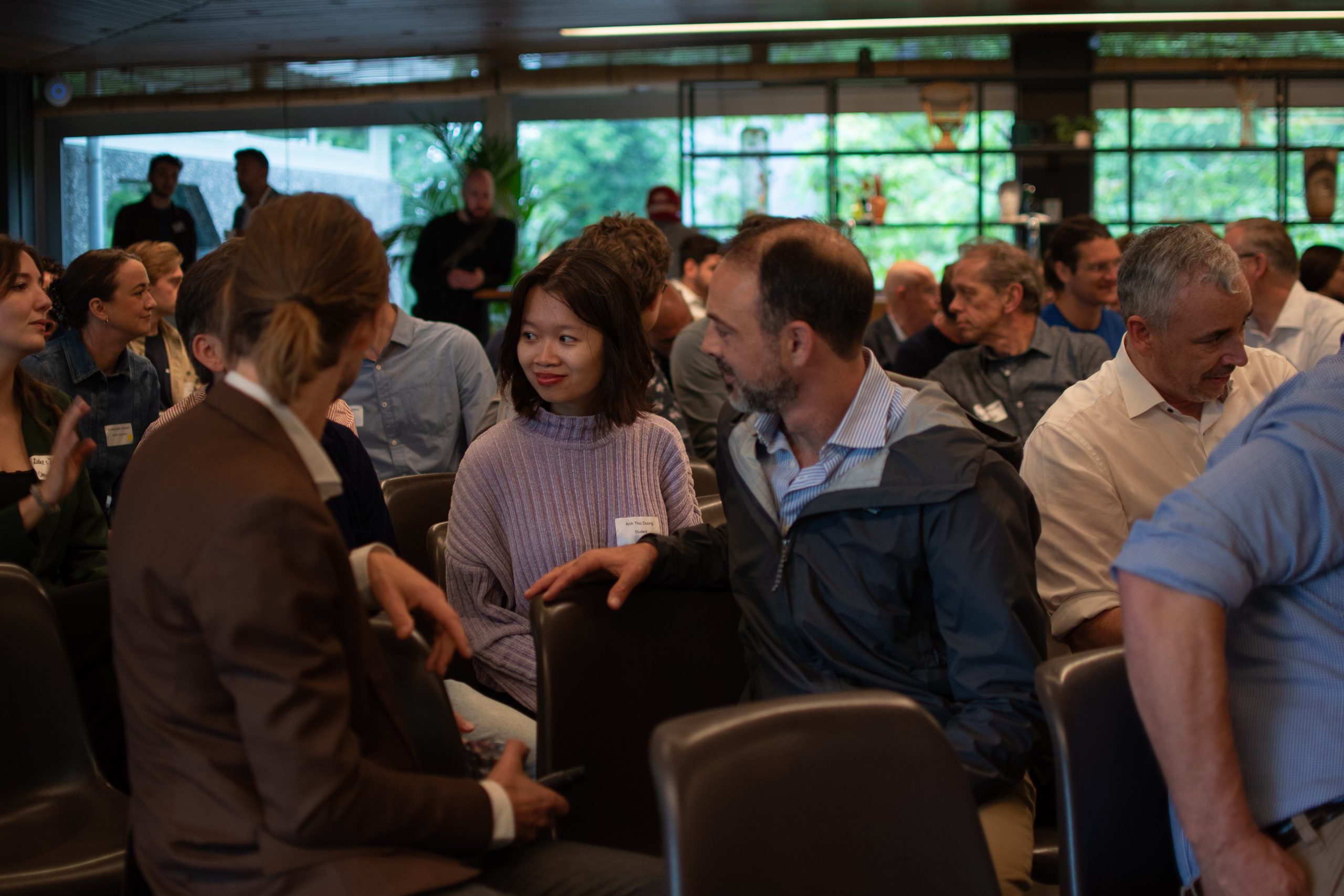
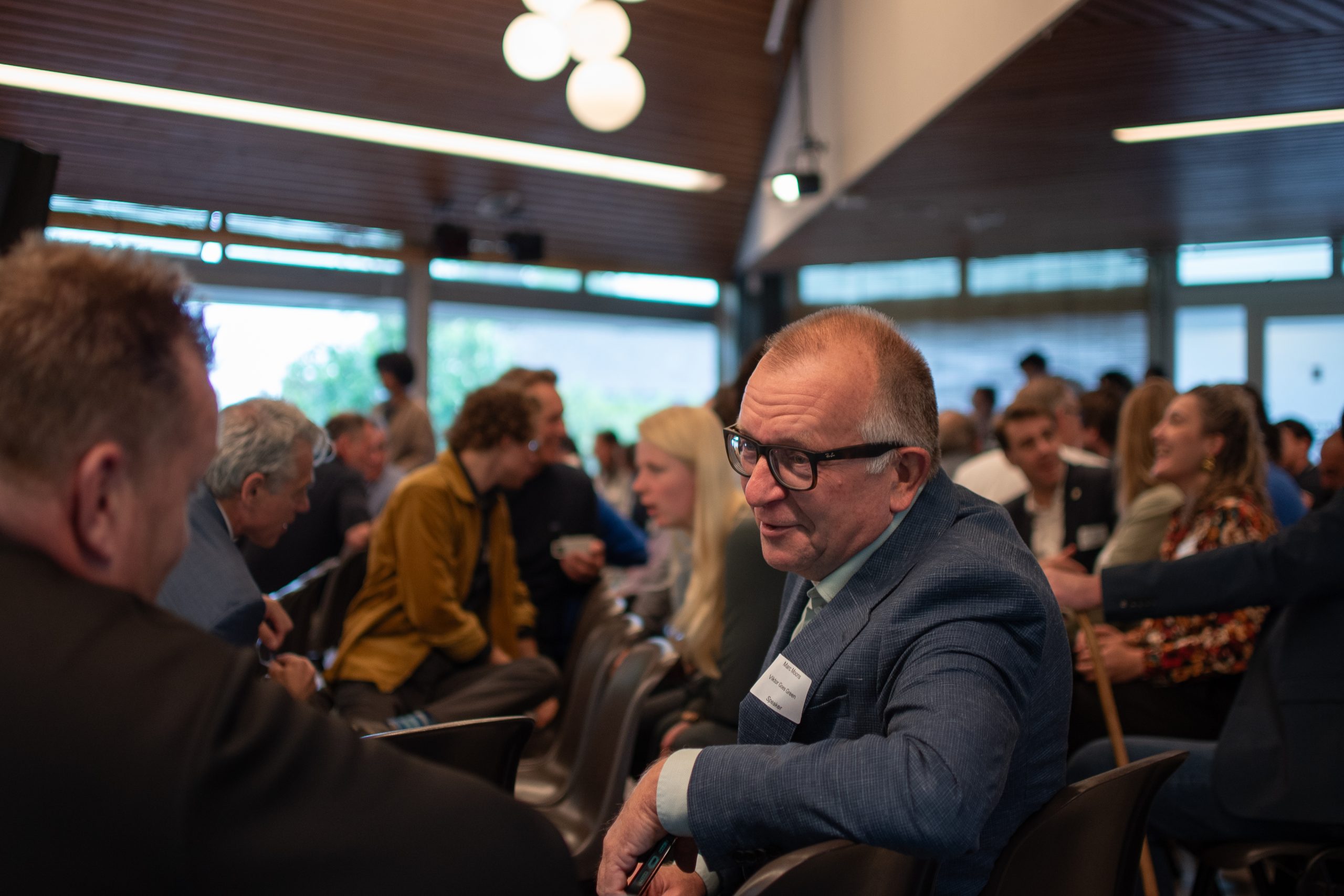
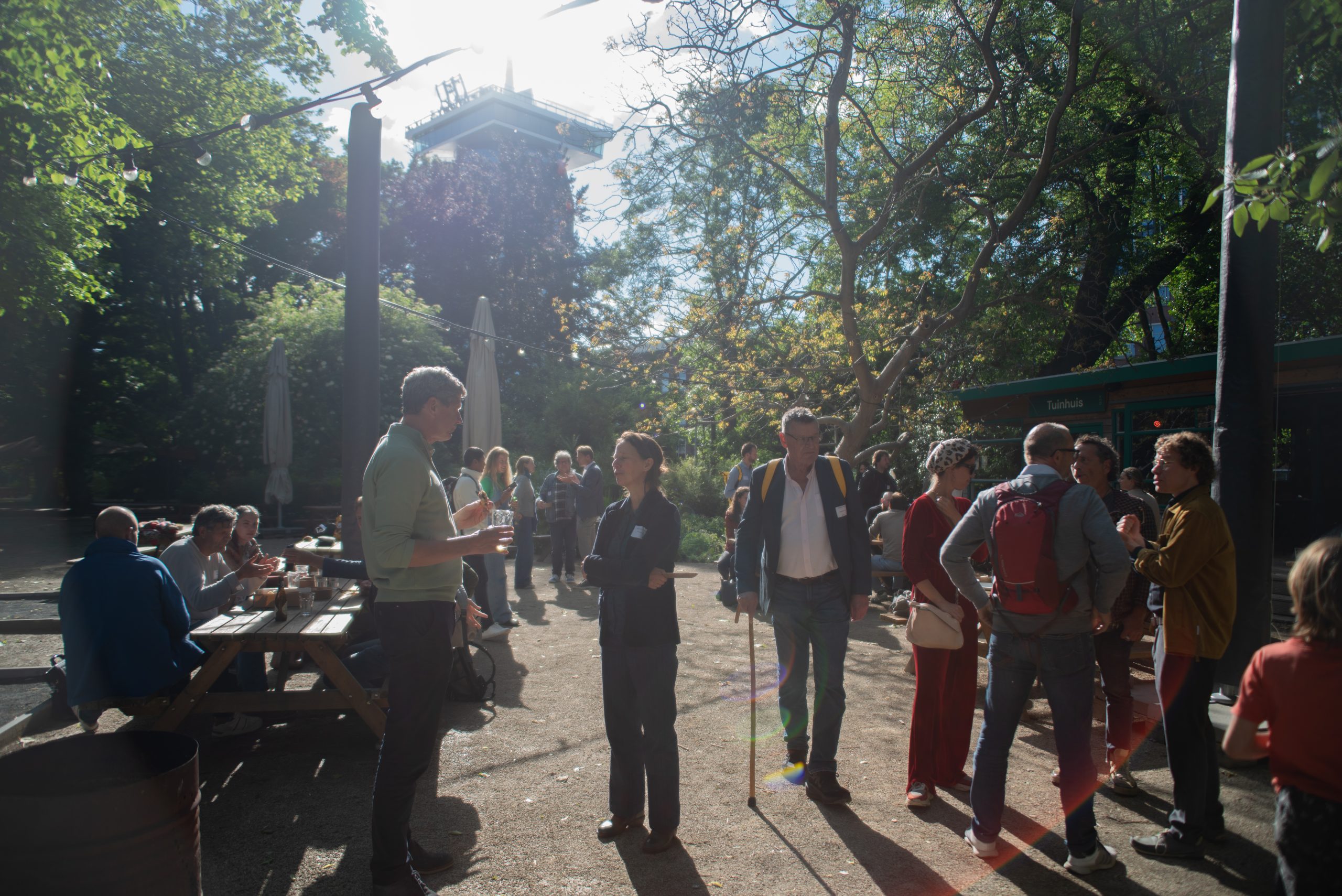
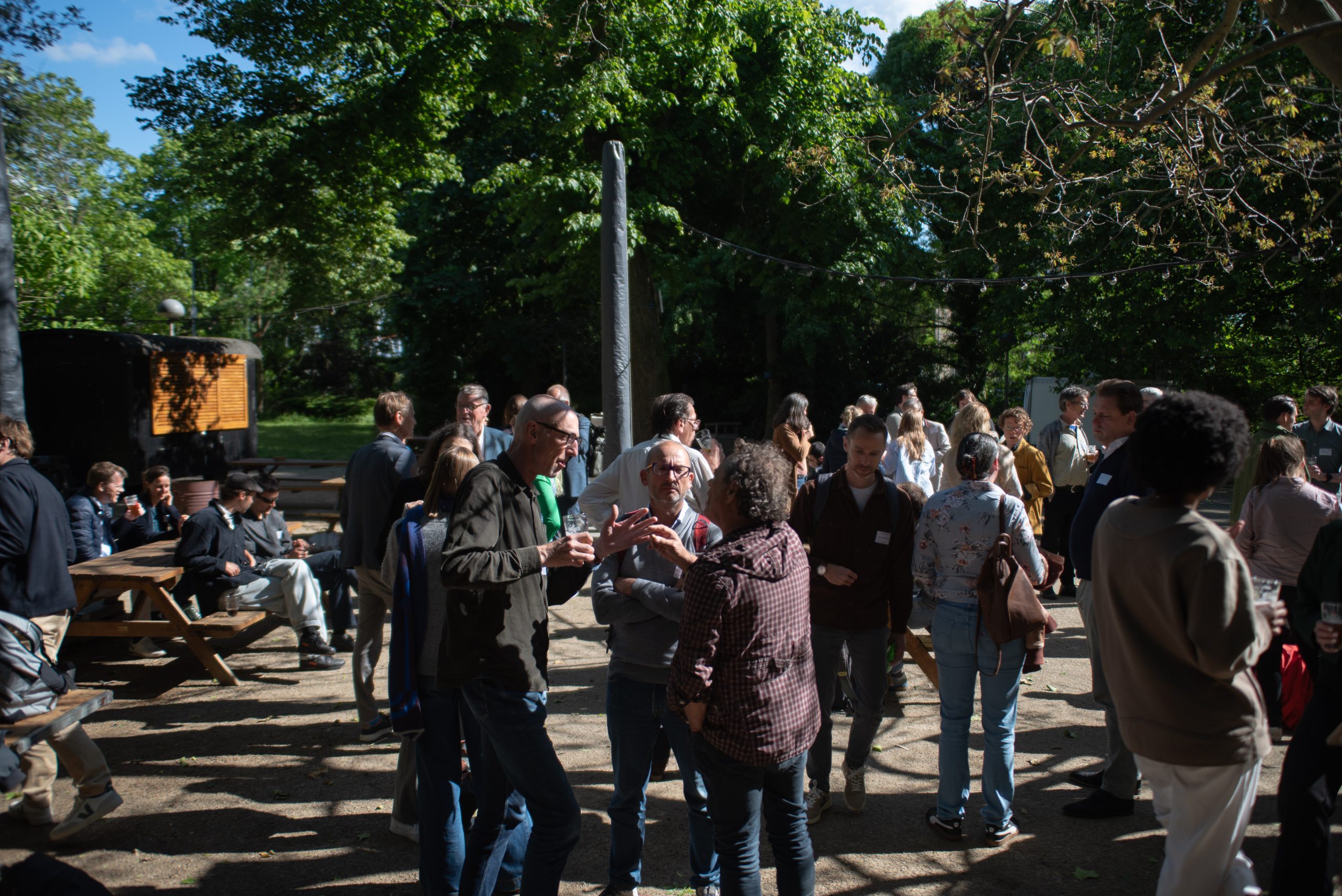
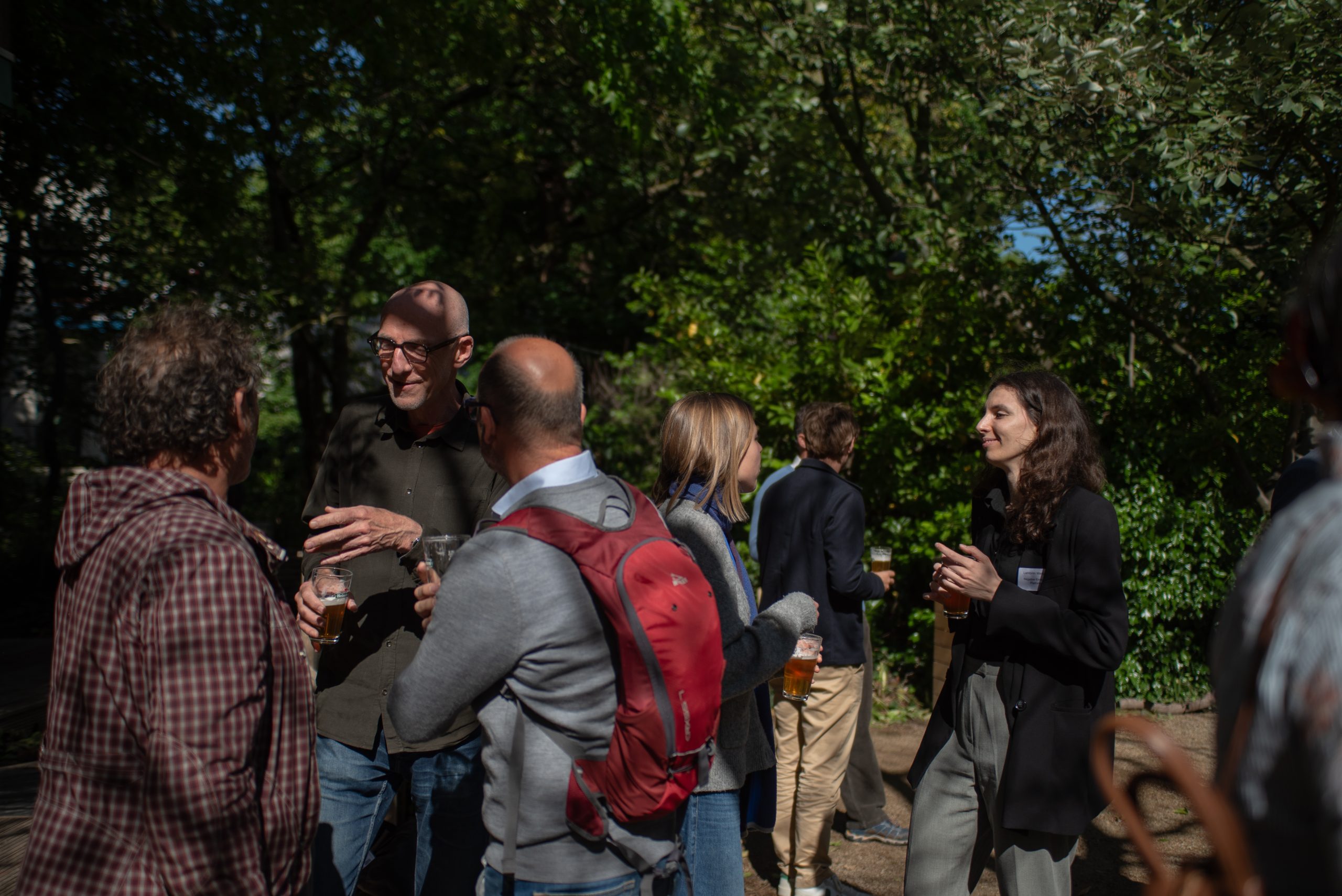
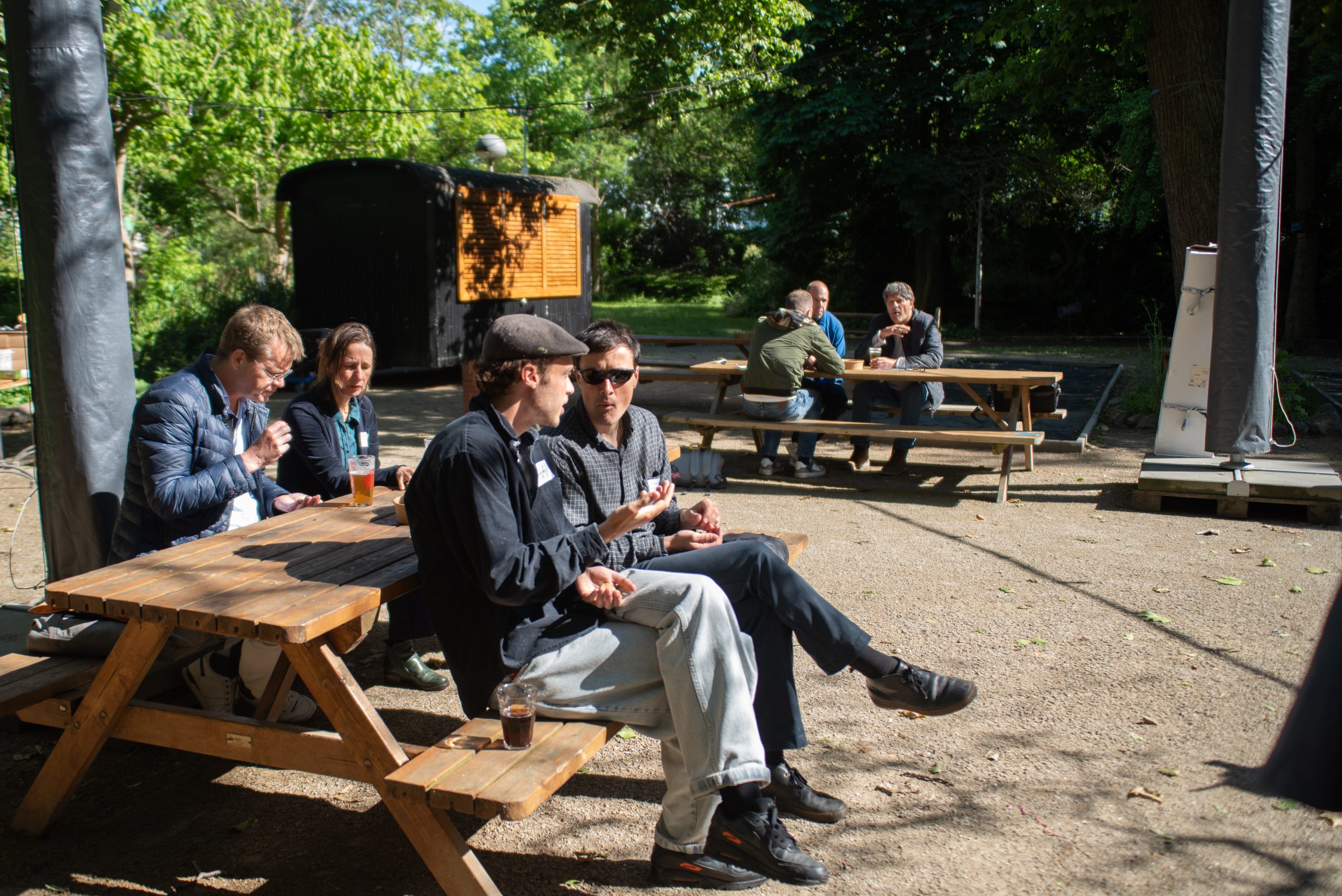
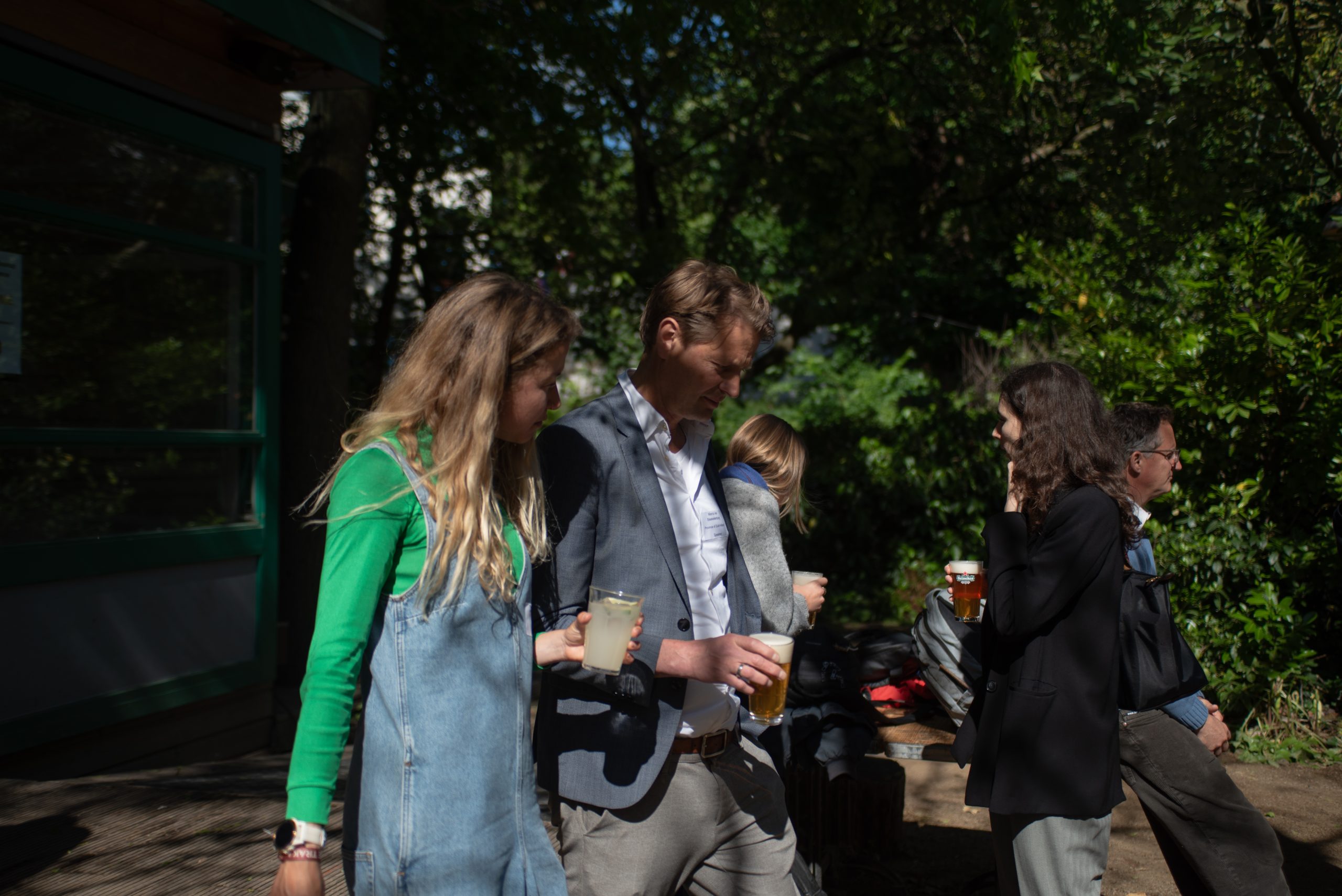
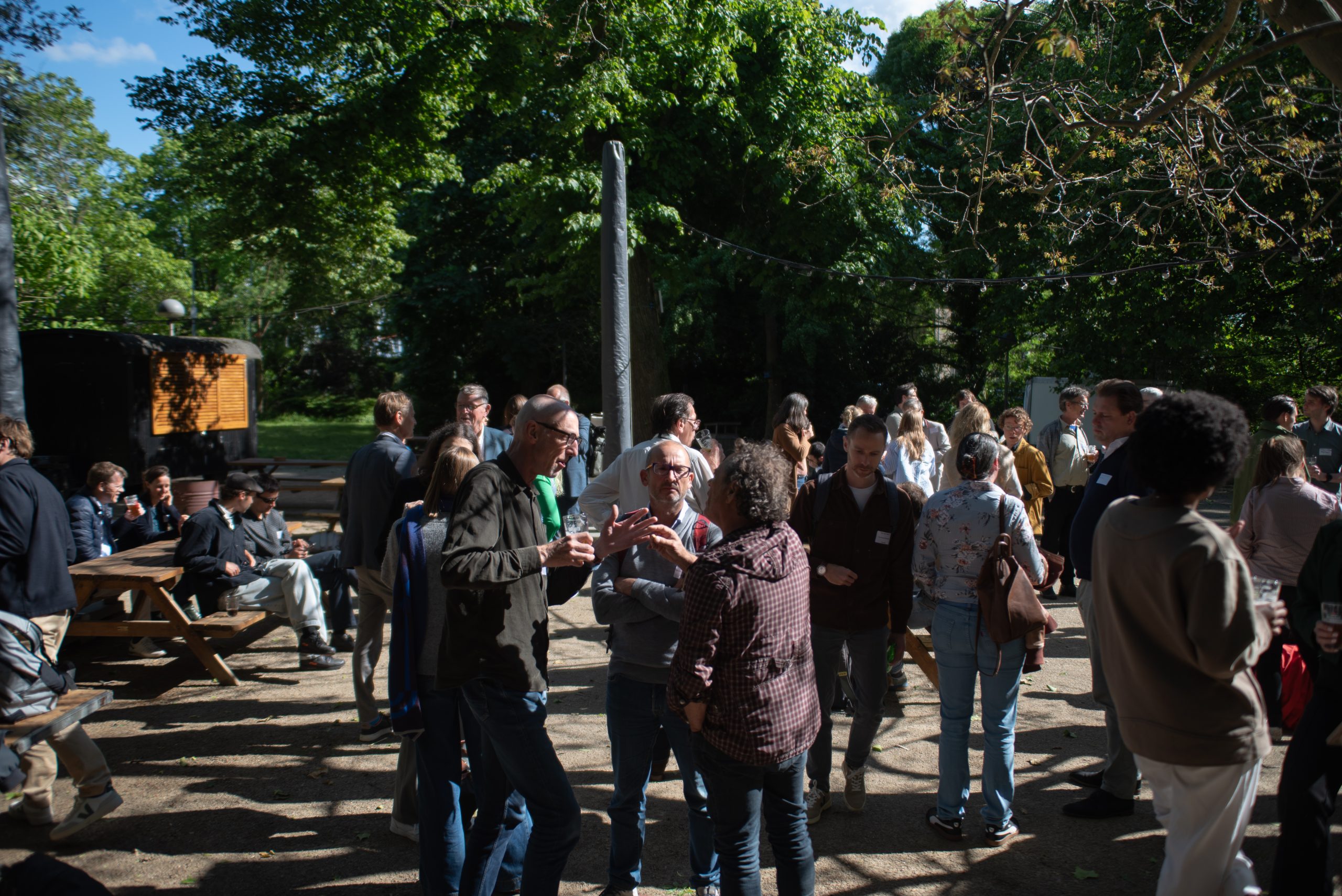
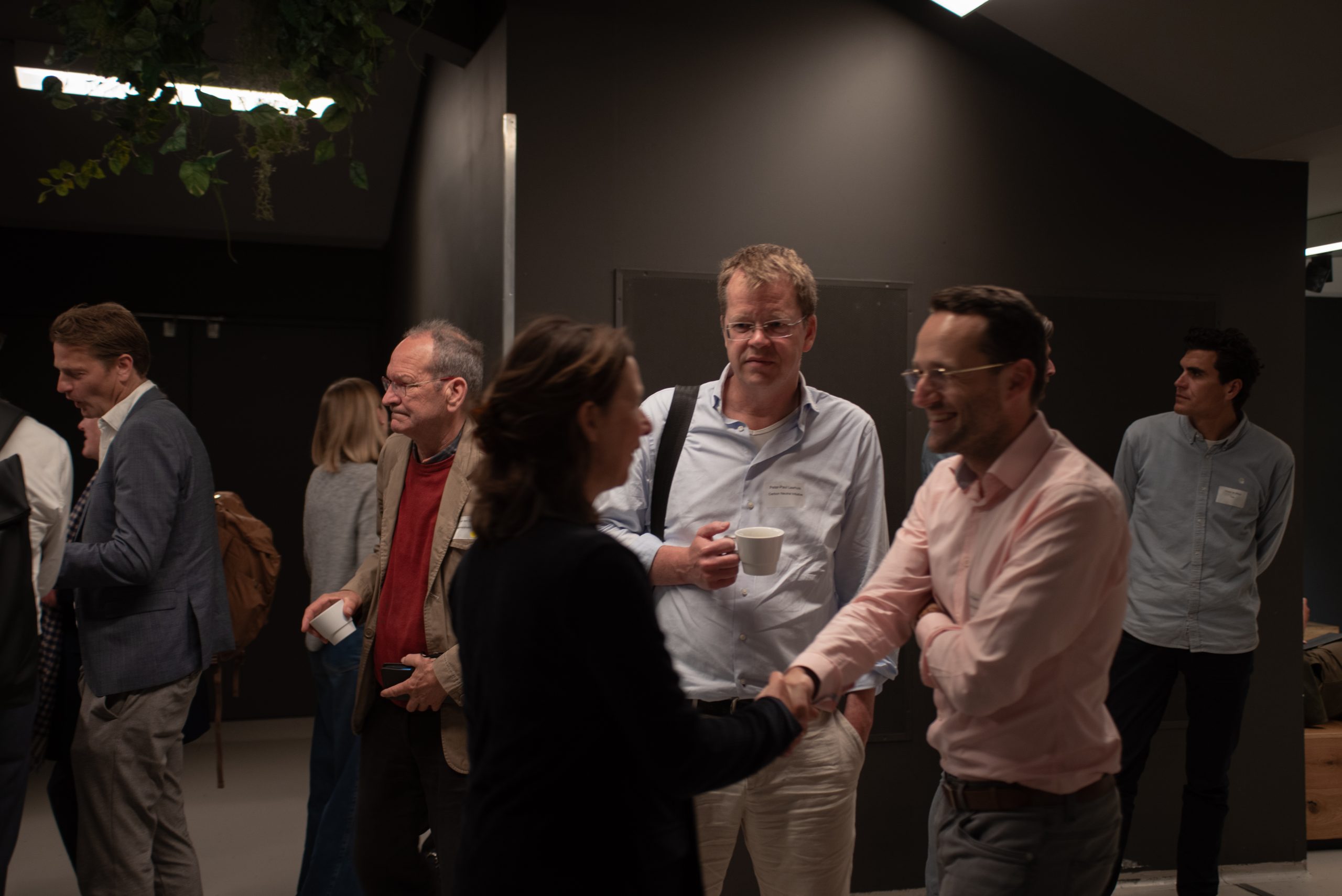
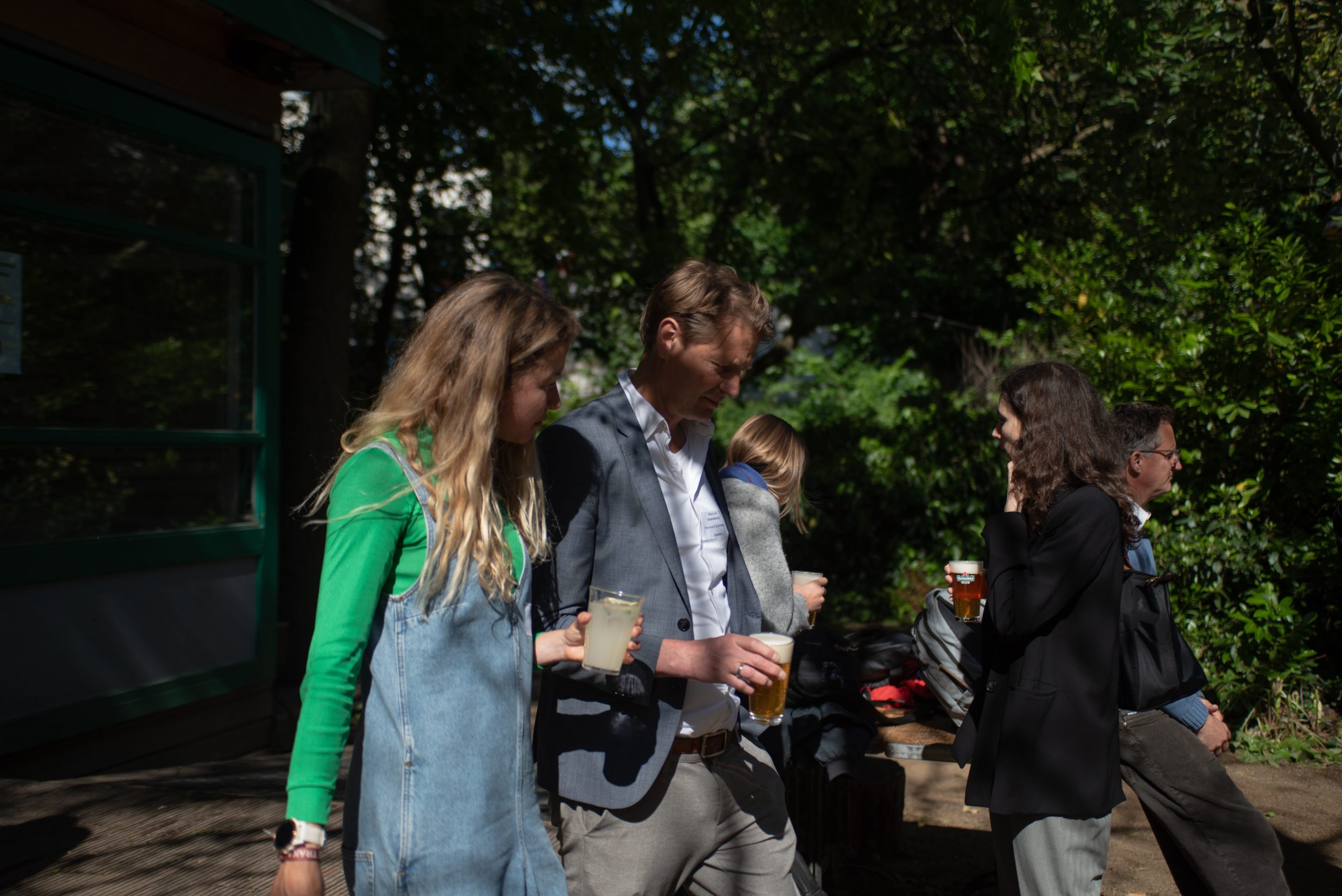
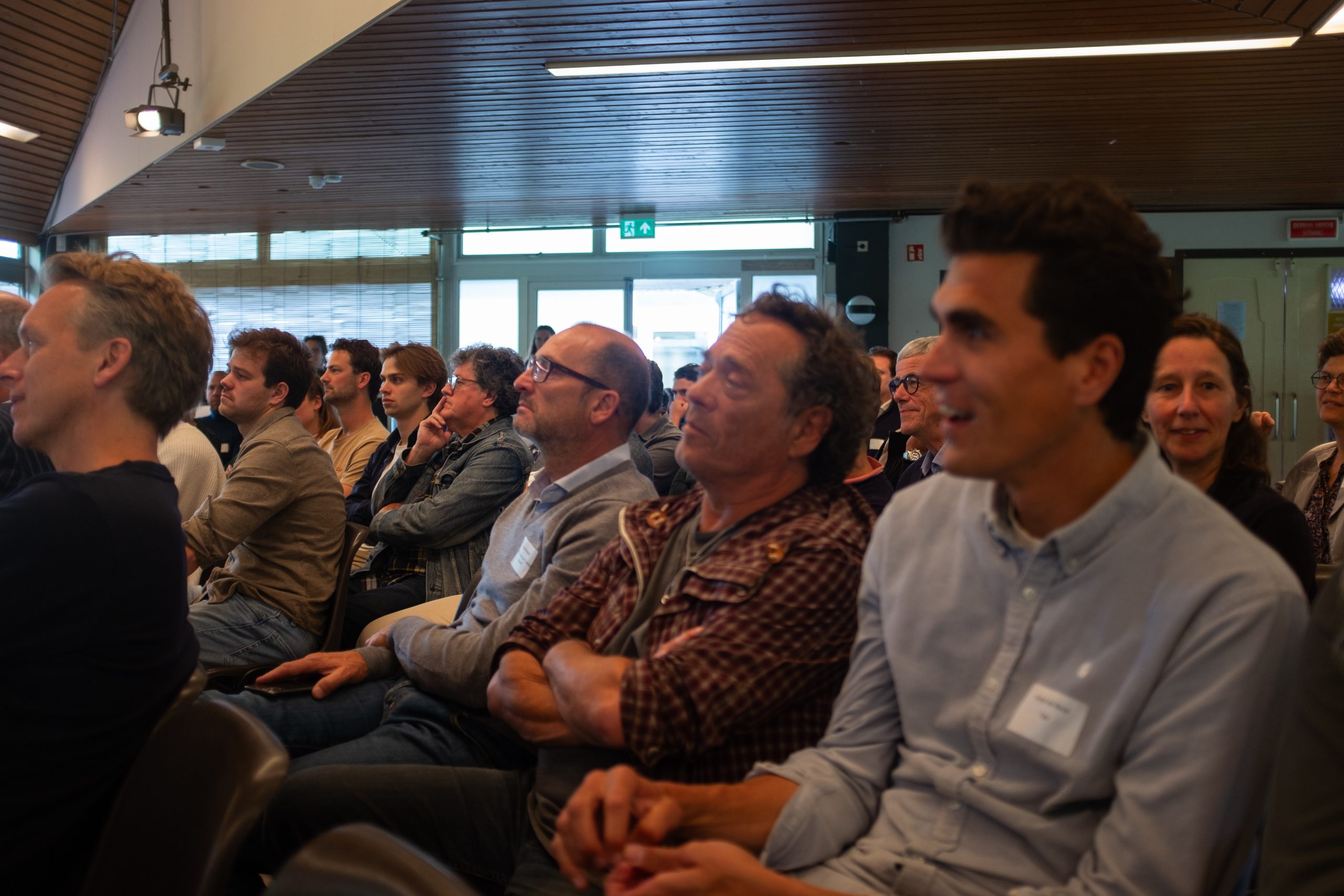
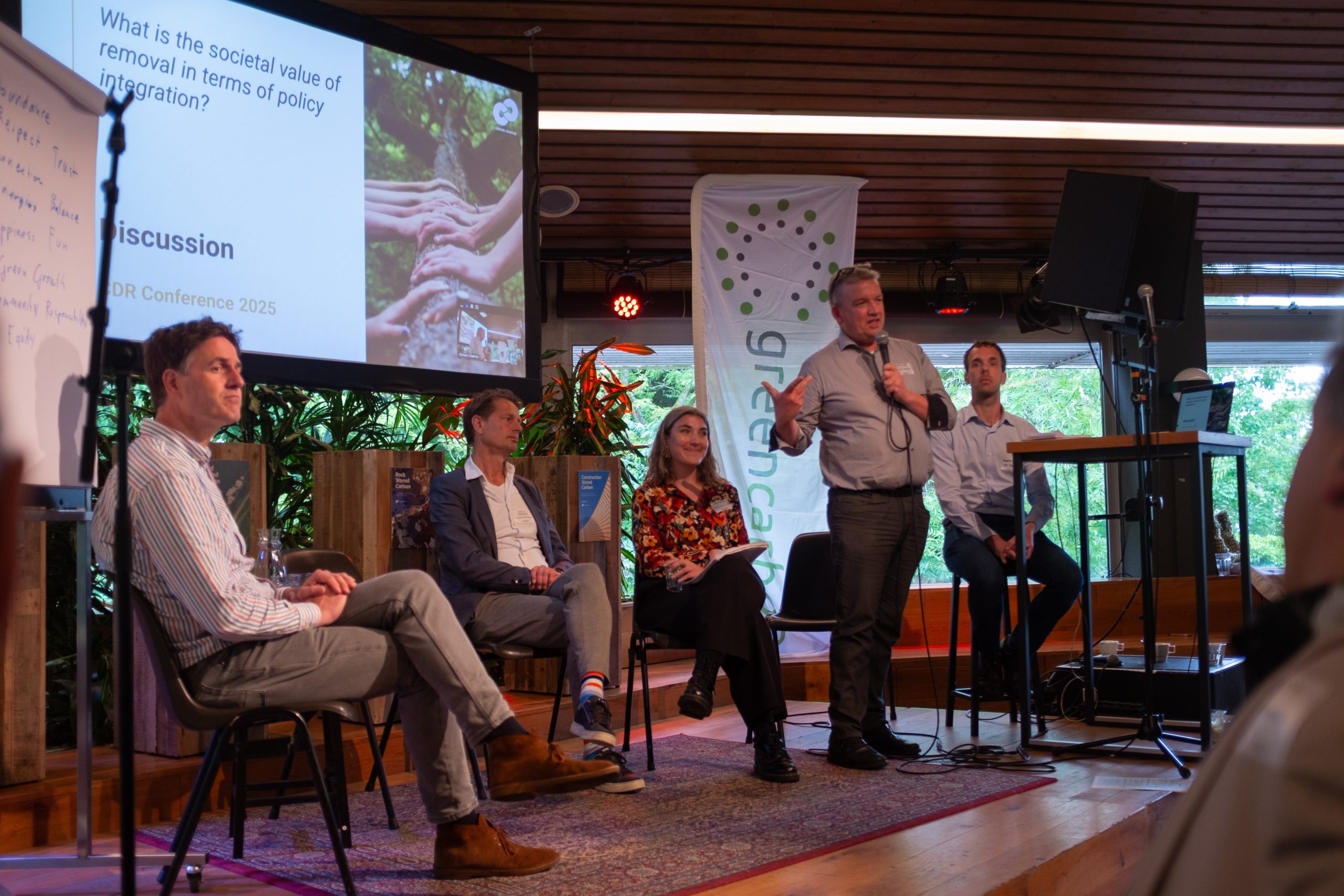
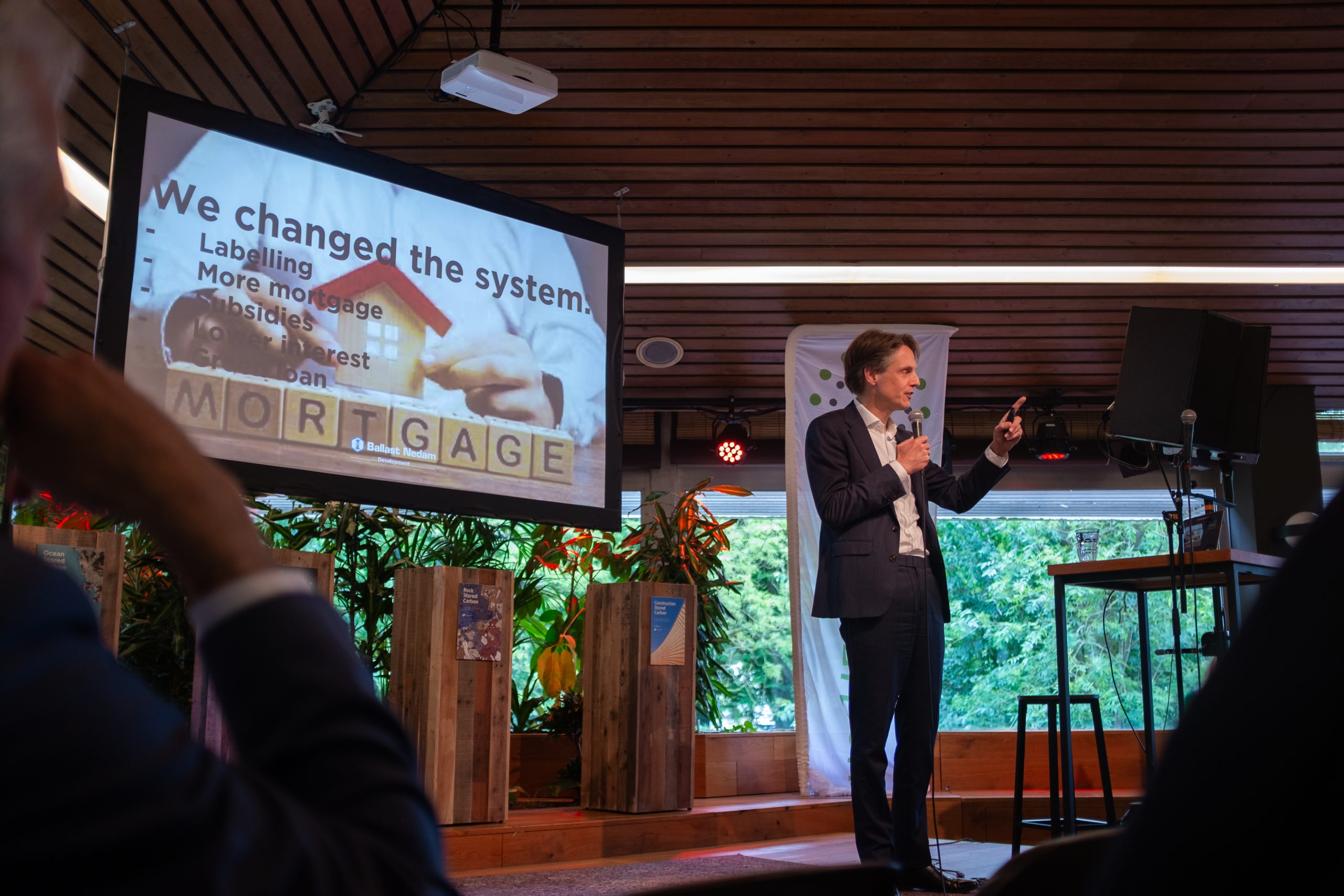
Explore the key moments from the CDR Conference 2025
Download the presentation slides of the conference for an overview of the keynotes, policy discussions, and breakout sessions. This resource captures the main themes shared throughout the event. A separate presentation is also available with information on carbon removers working in the field.
CDR Conference Partners







Last year’s Funding the Future Summit
Take a look at the highlights from the Funding the Future Summit 2024.
Download the openings presentation by Sven Jense, the general slides of the day, the masterclass presentation and the keynote speech about the EU CRCF and future outlook by Sacha Brons. And here is a report from the 2023 edition.
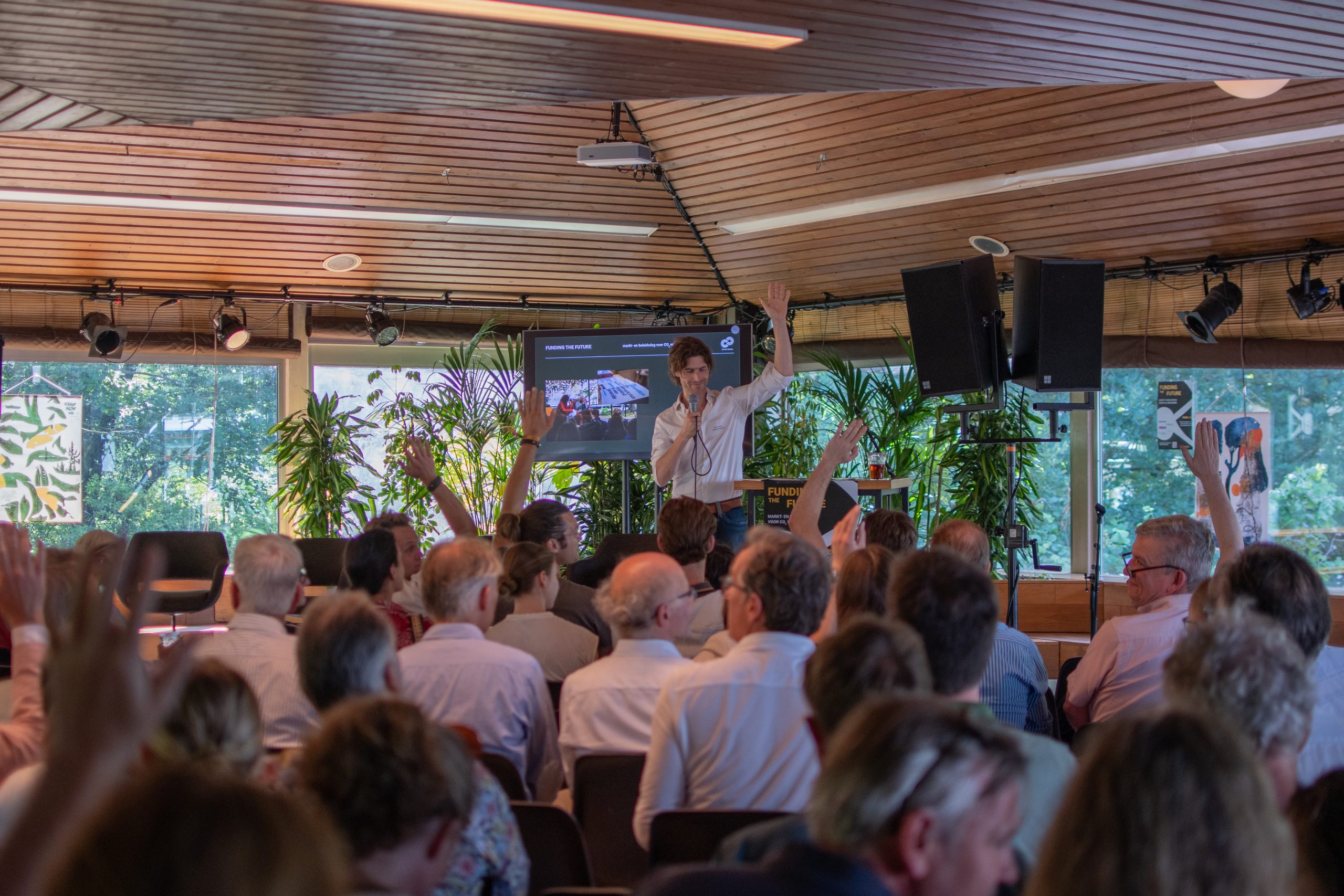
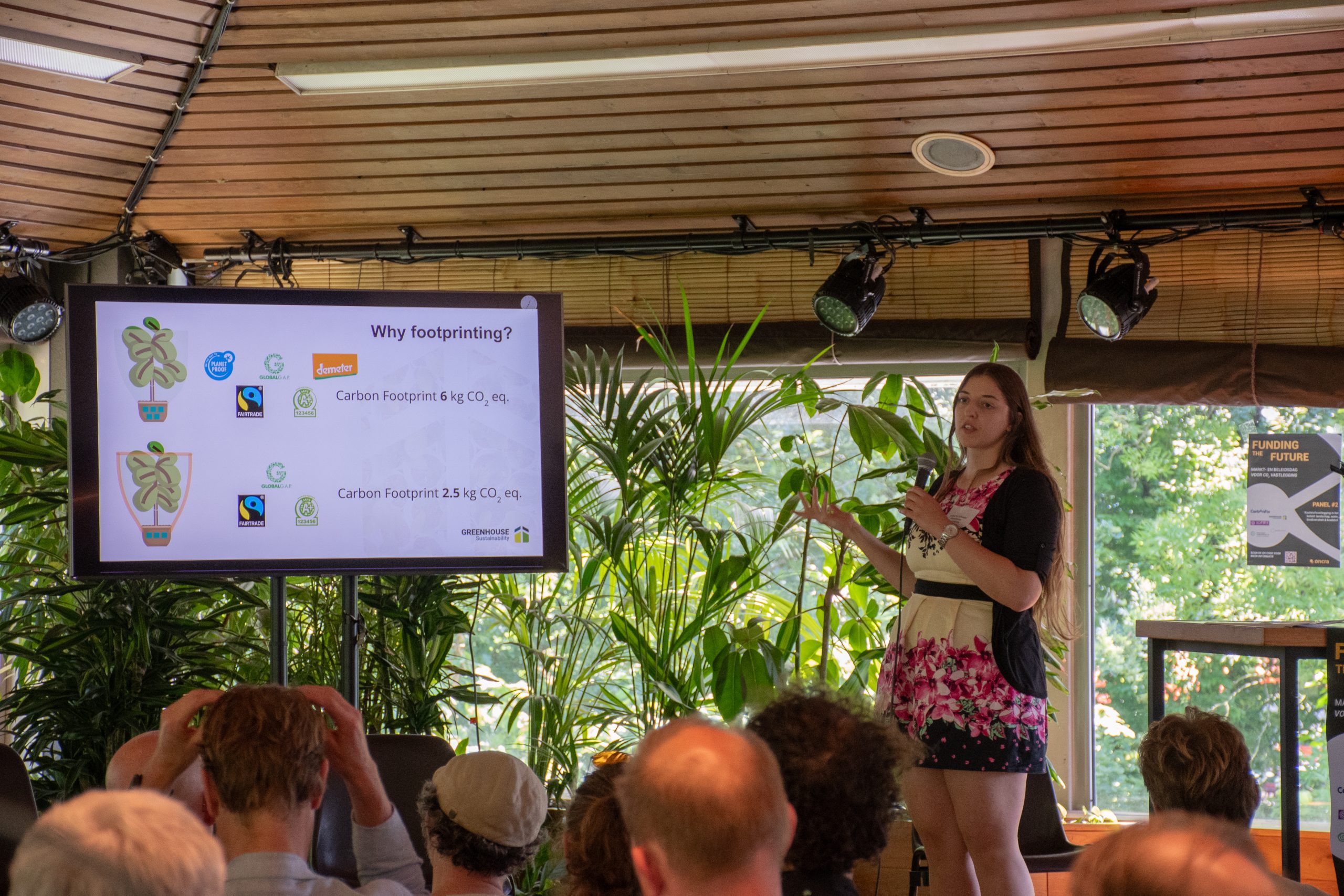
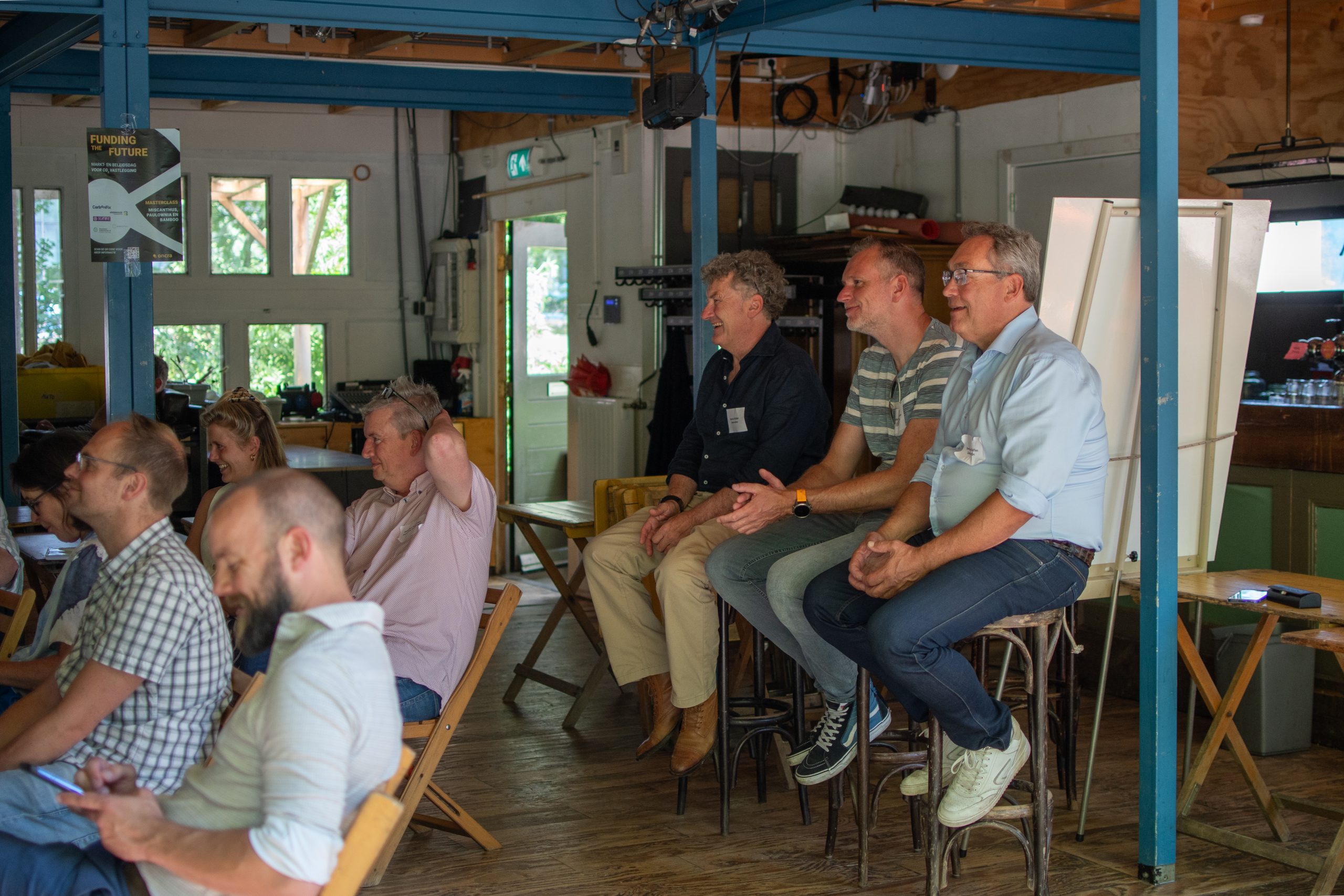
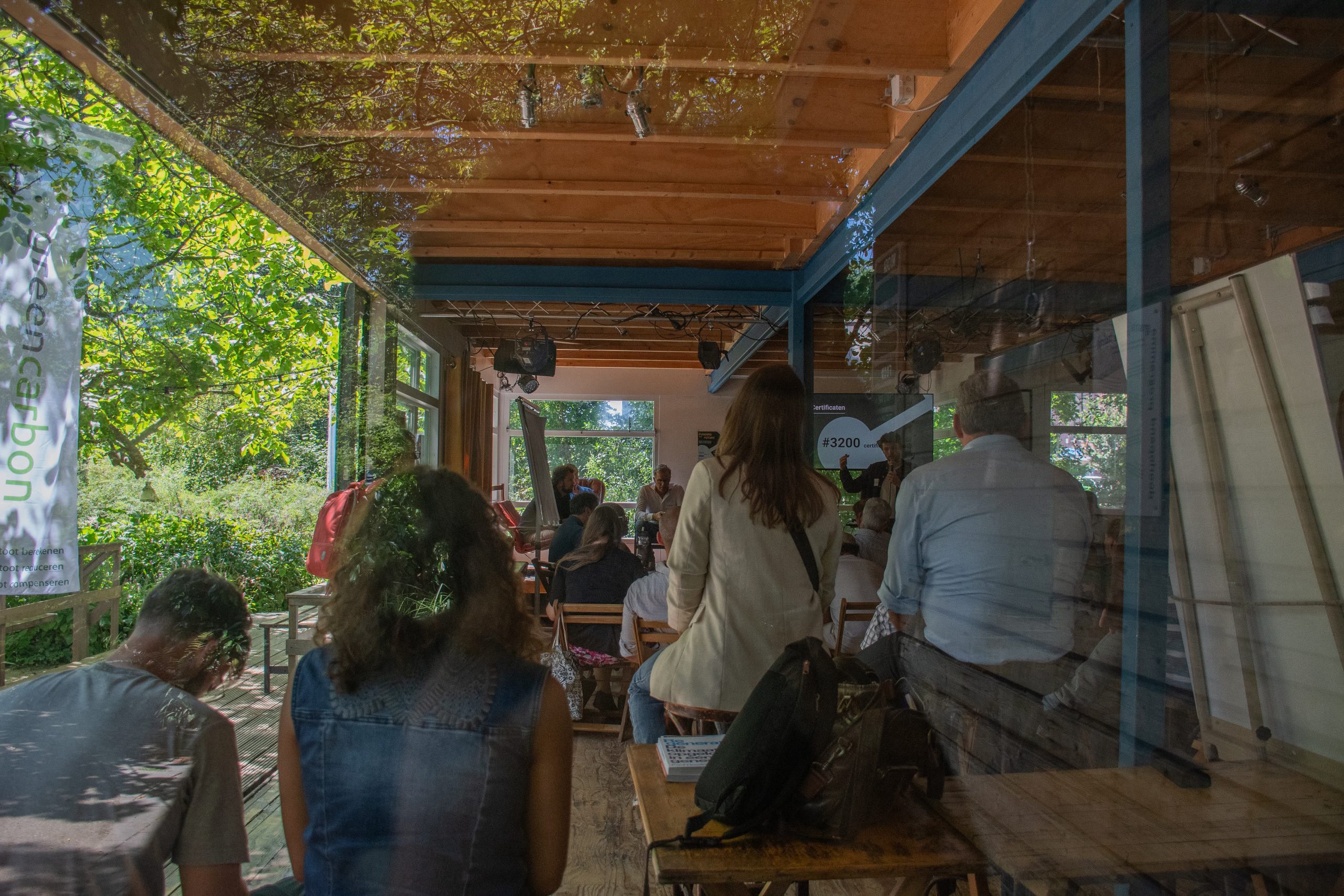
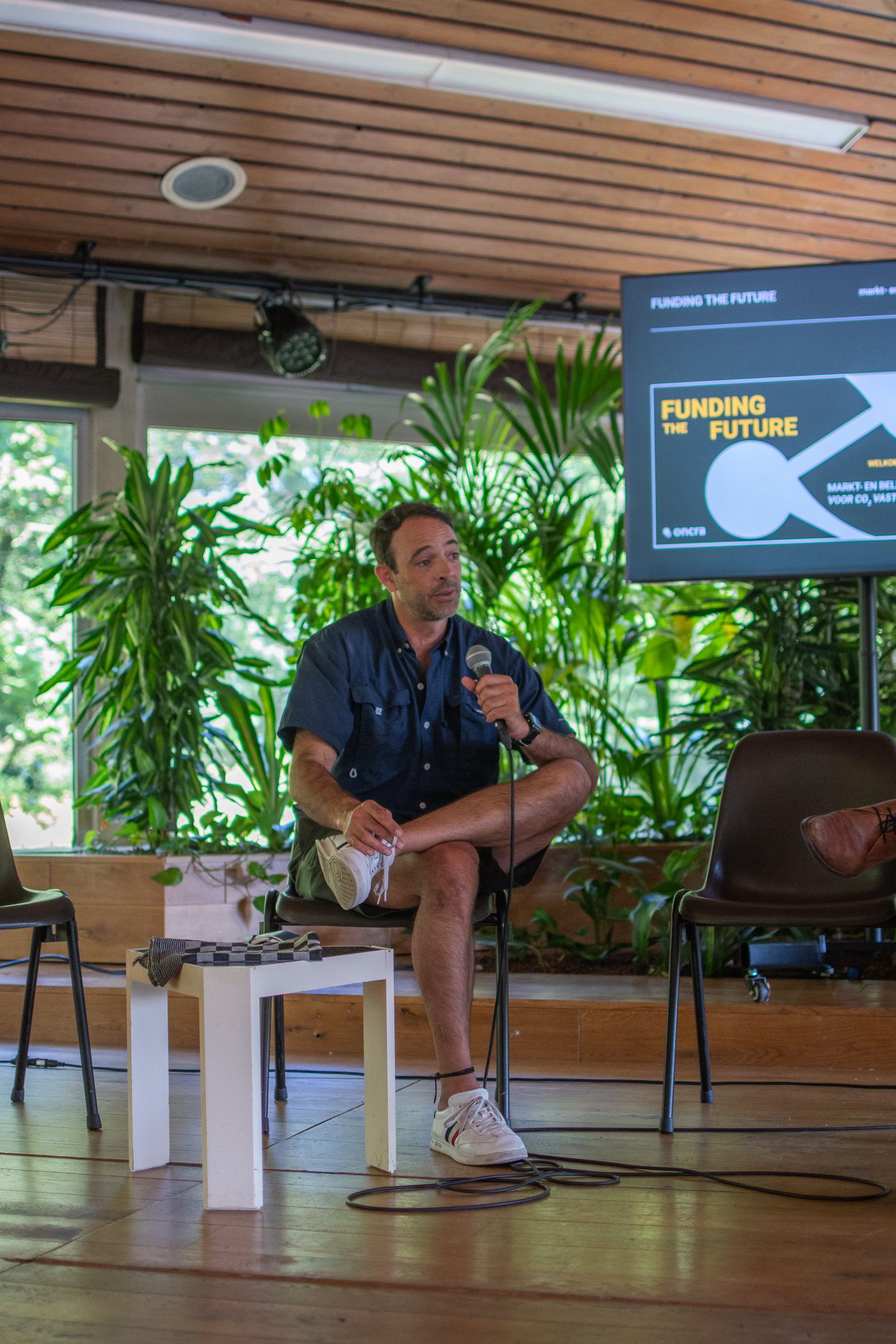
Moments of last year’s summit
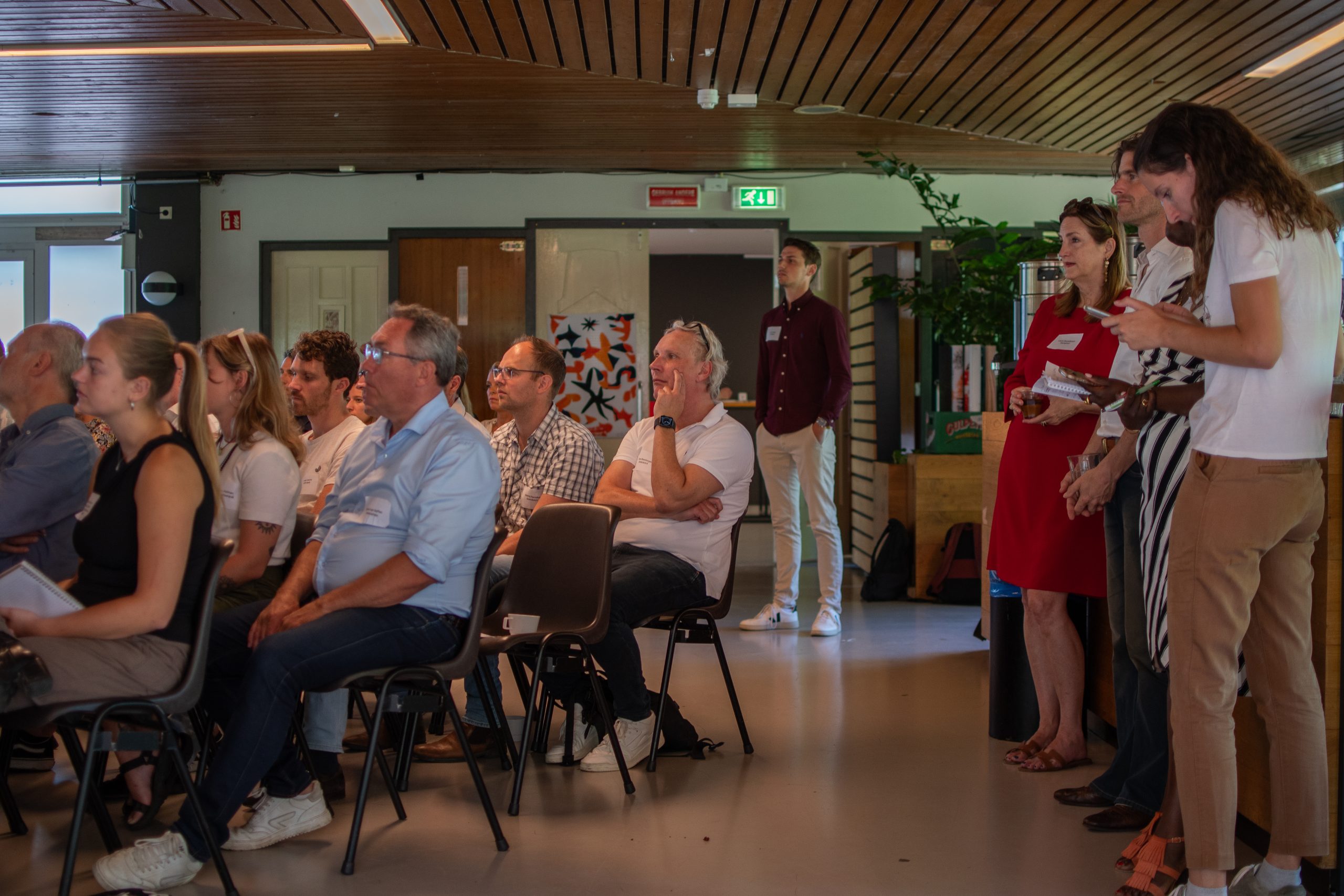
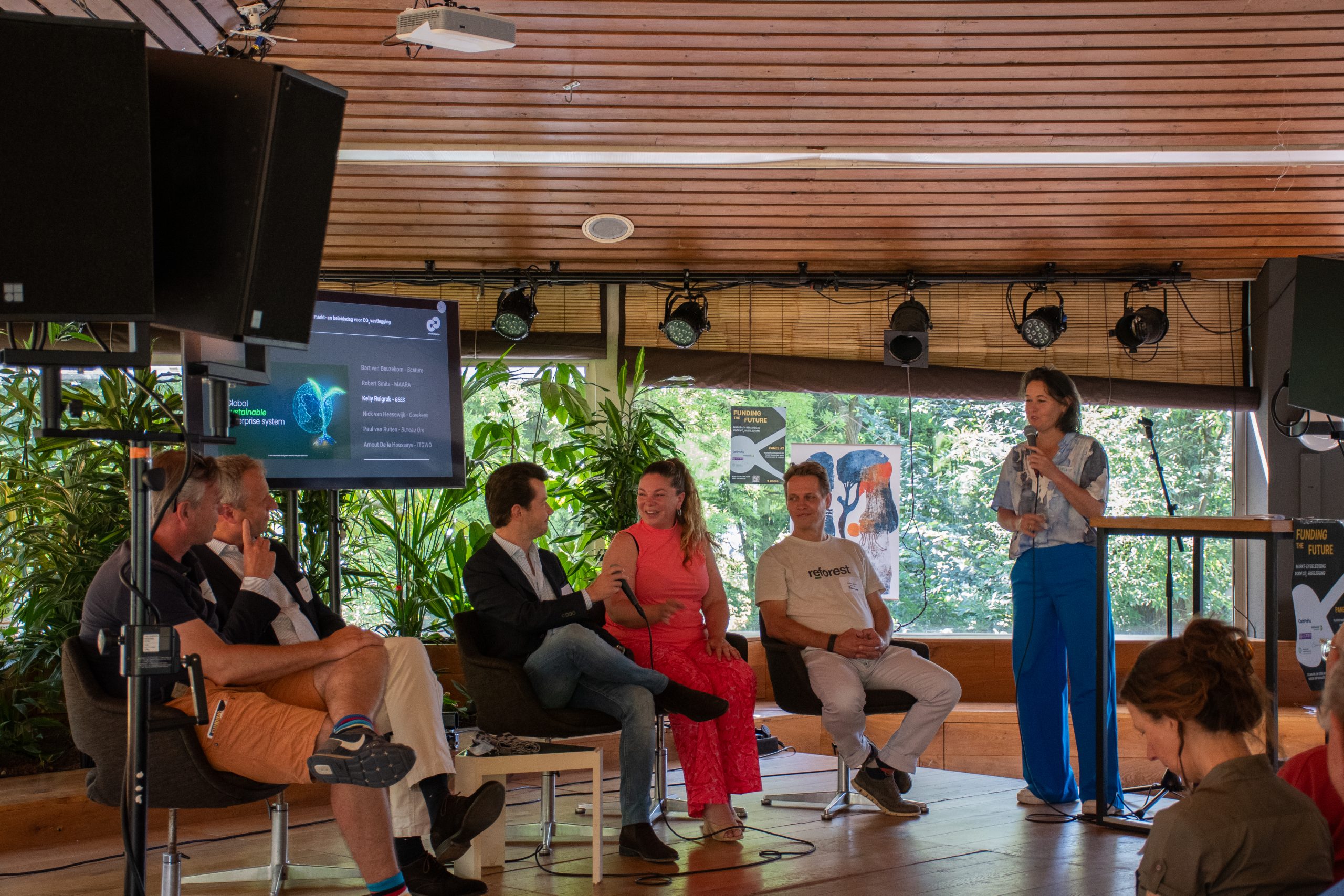
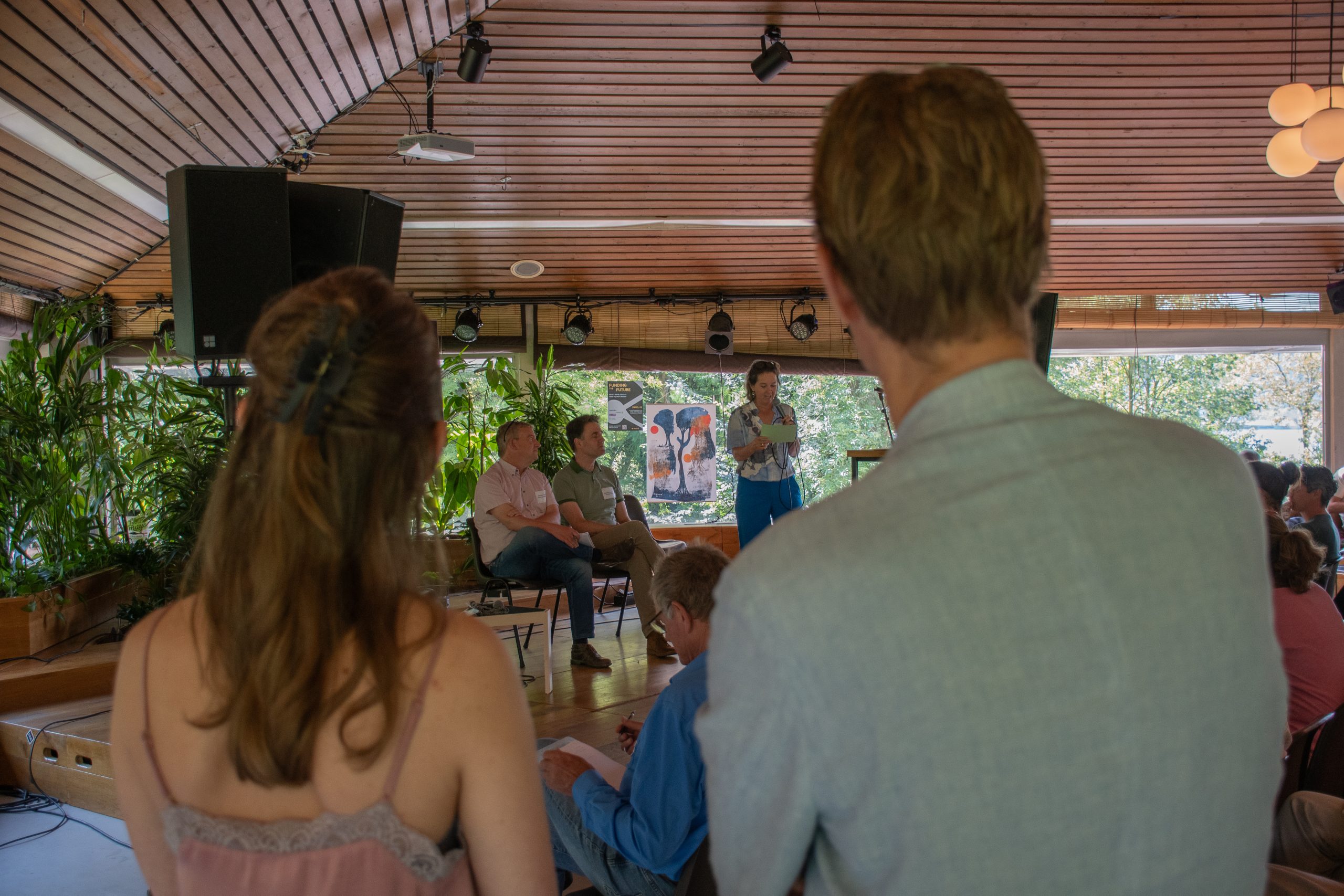
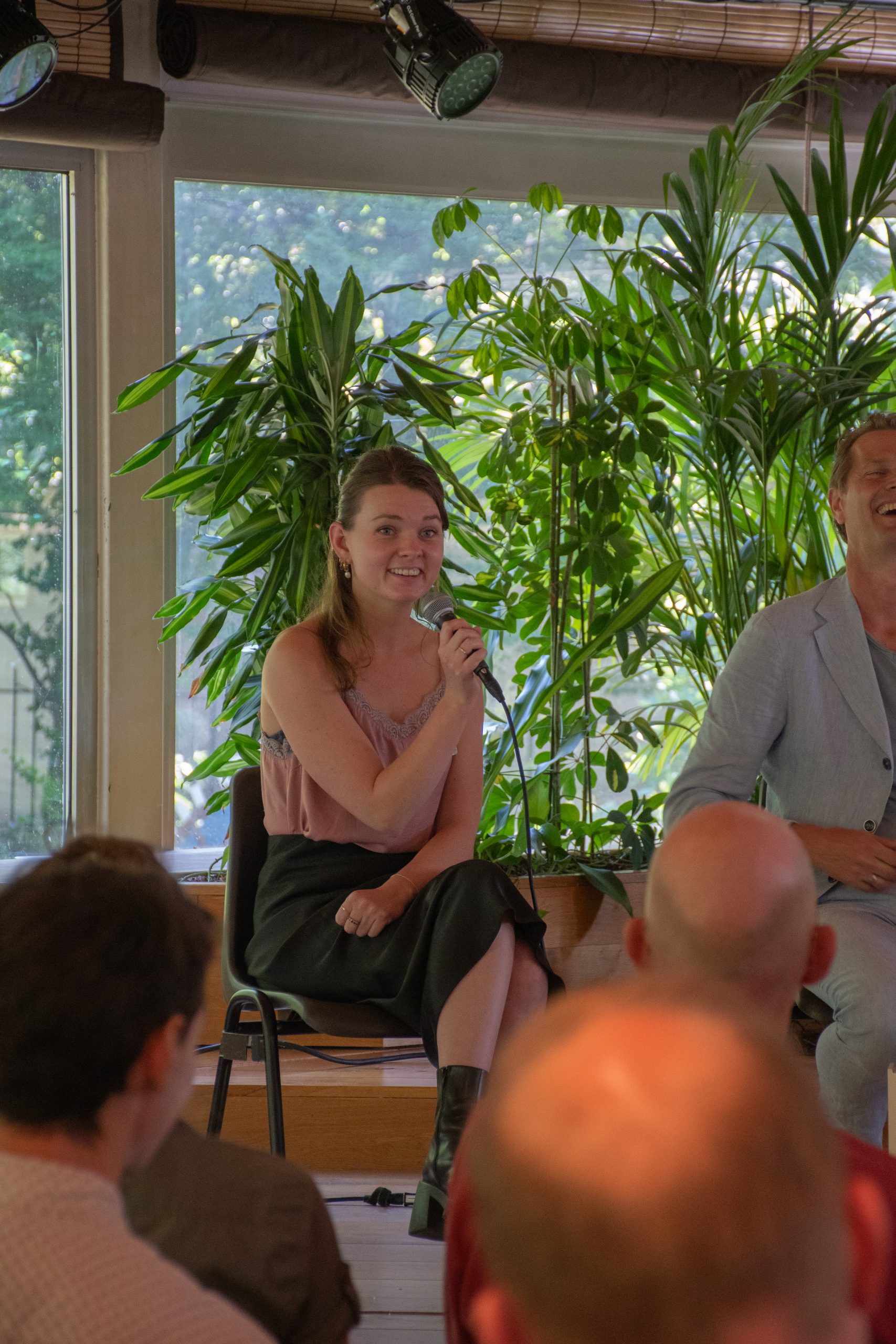
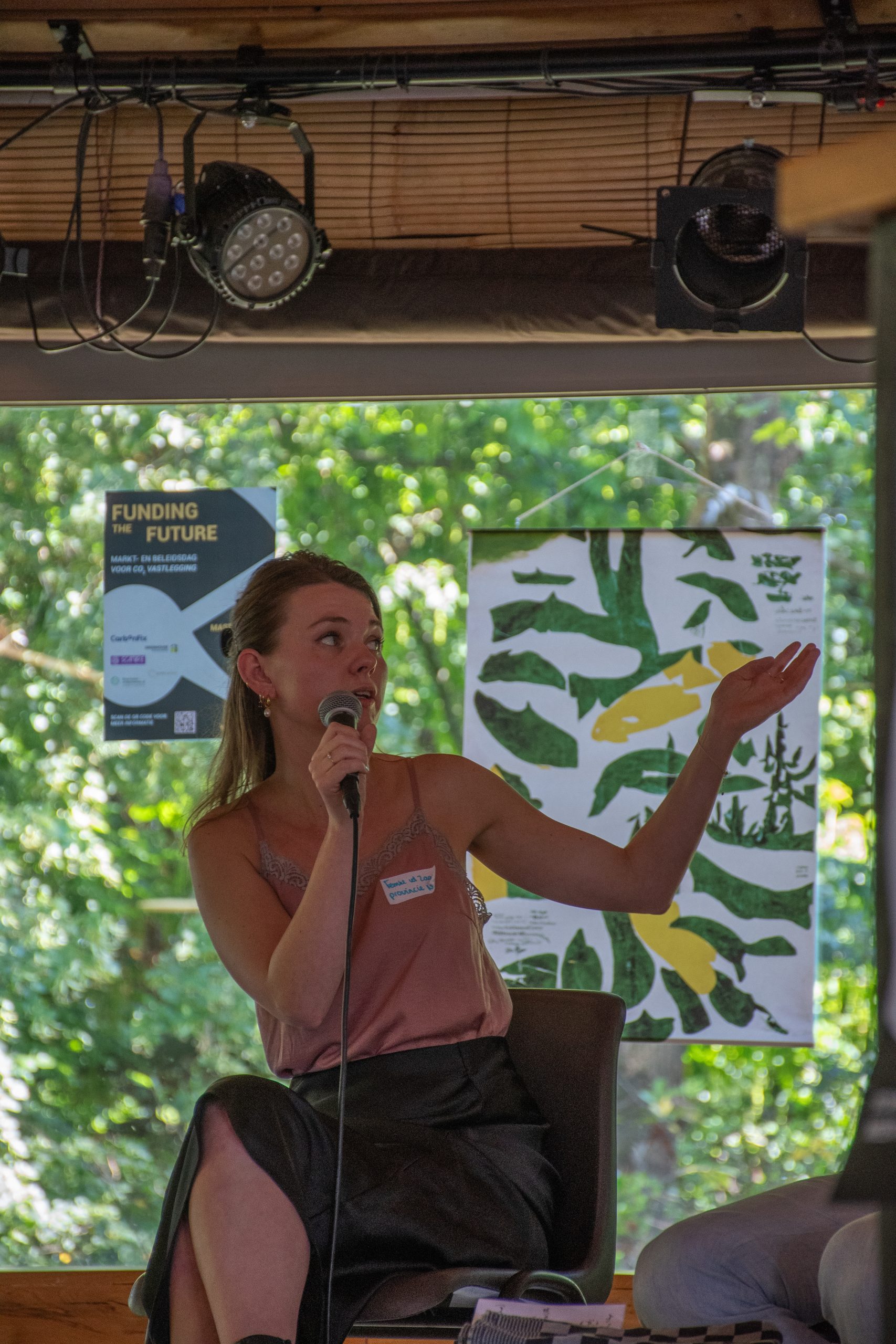
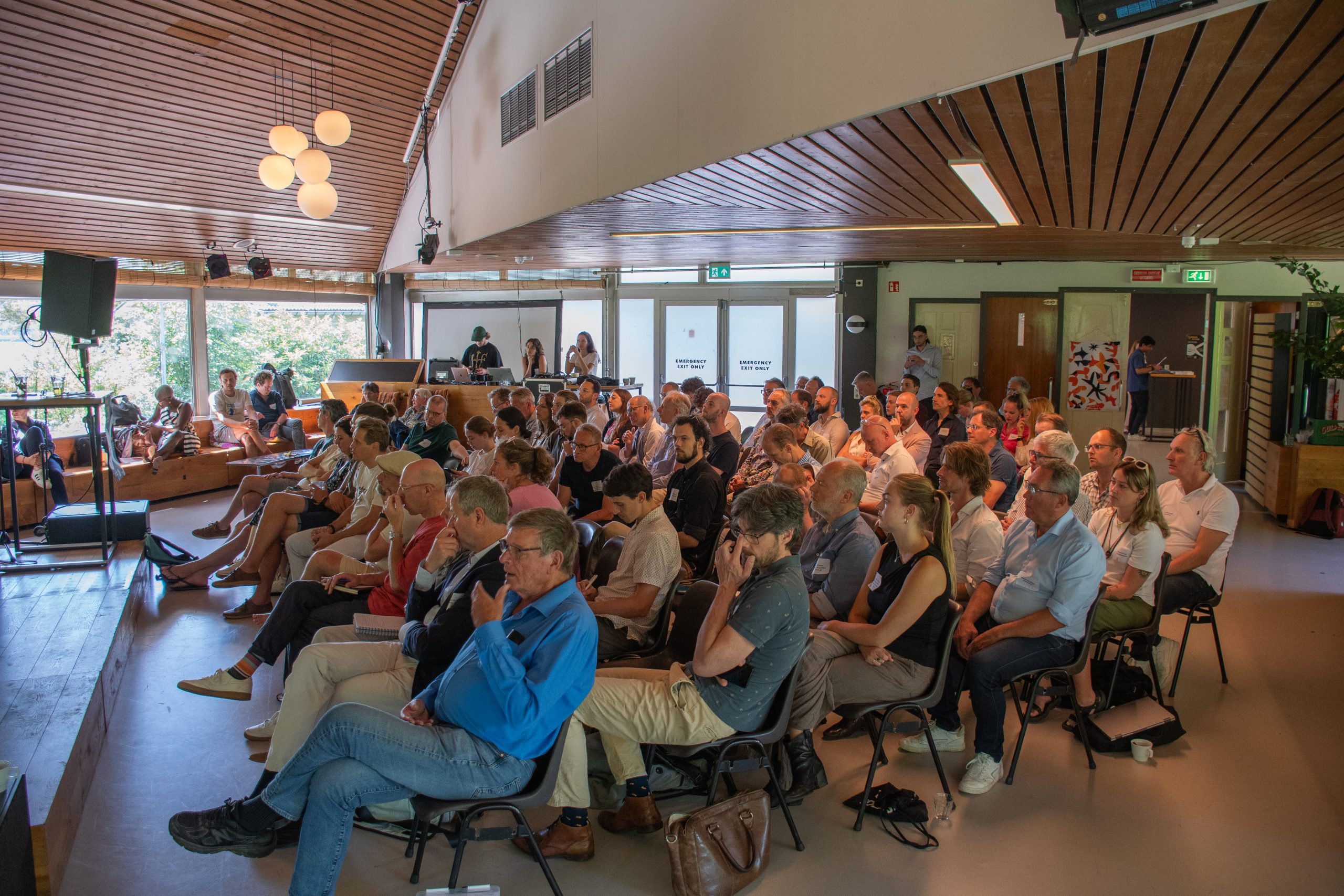
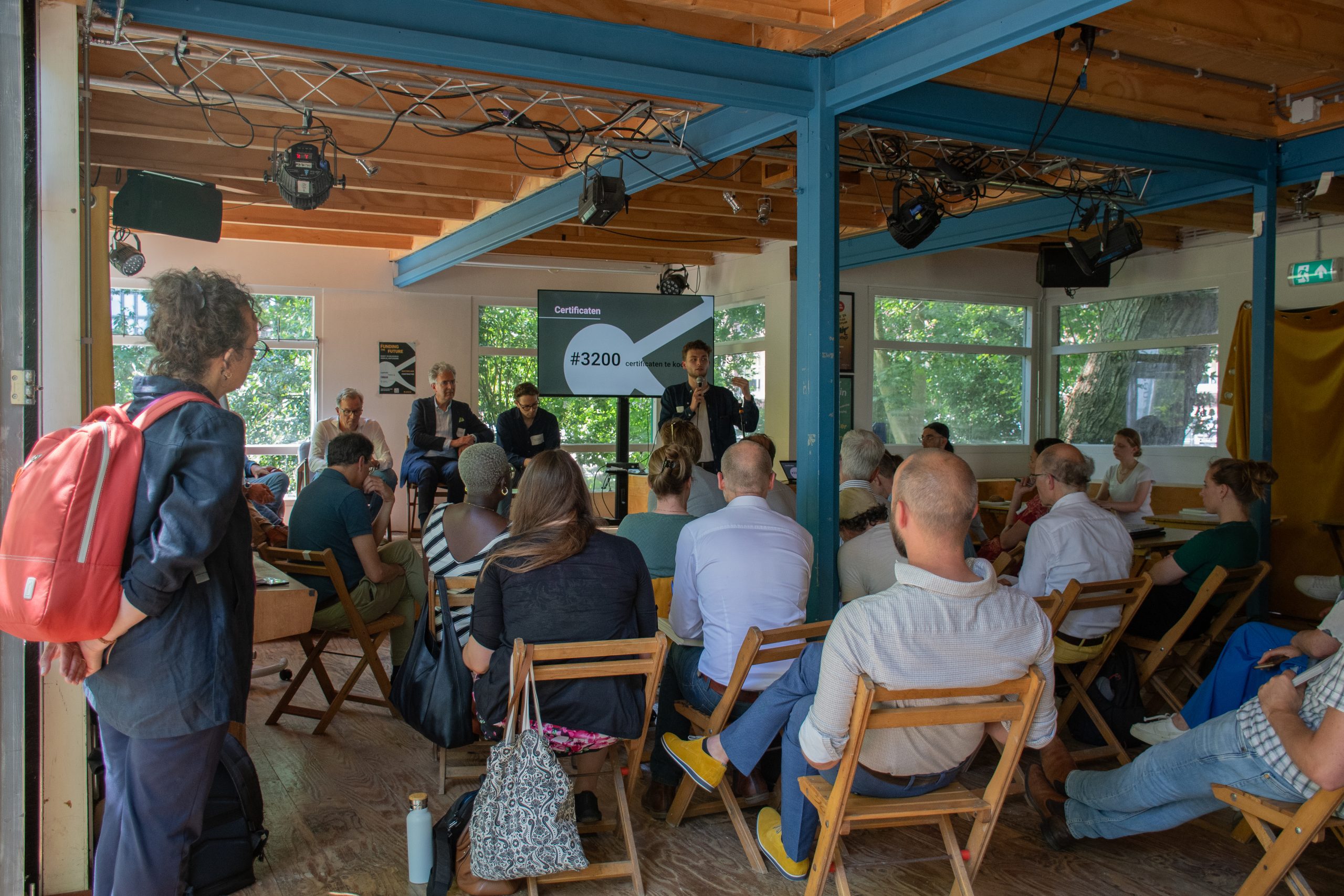
Regeneratieve Pioneers
Which regenerative pioneers were in attendance of the CDR Conference?
CDR Pioneers
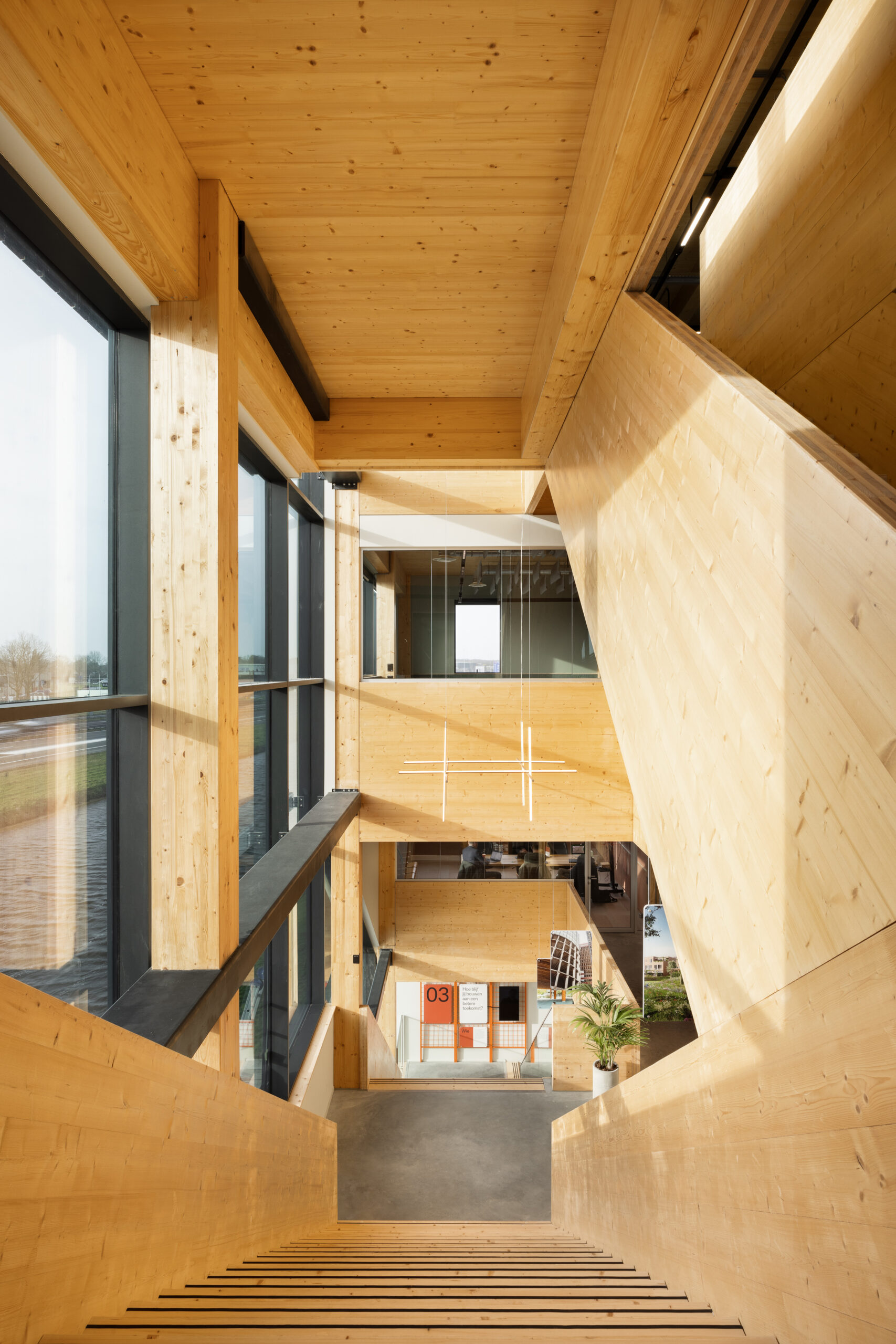
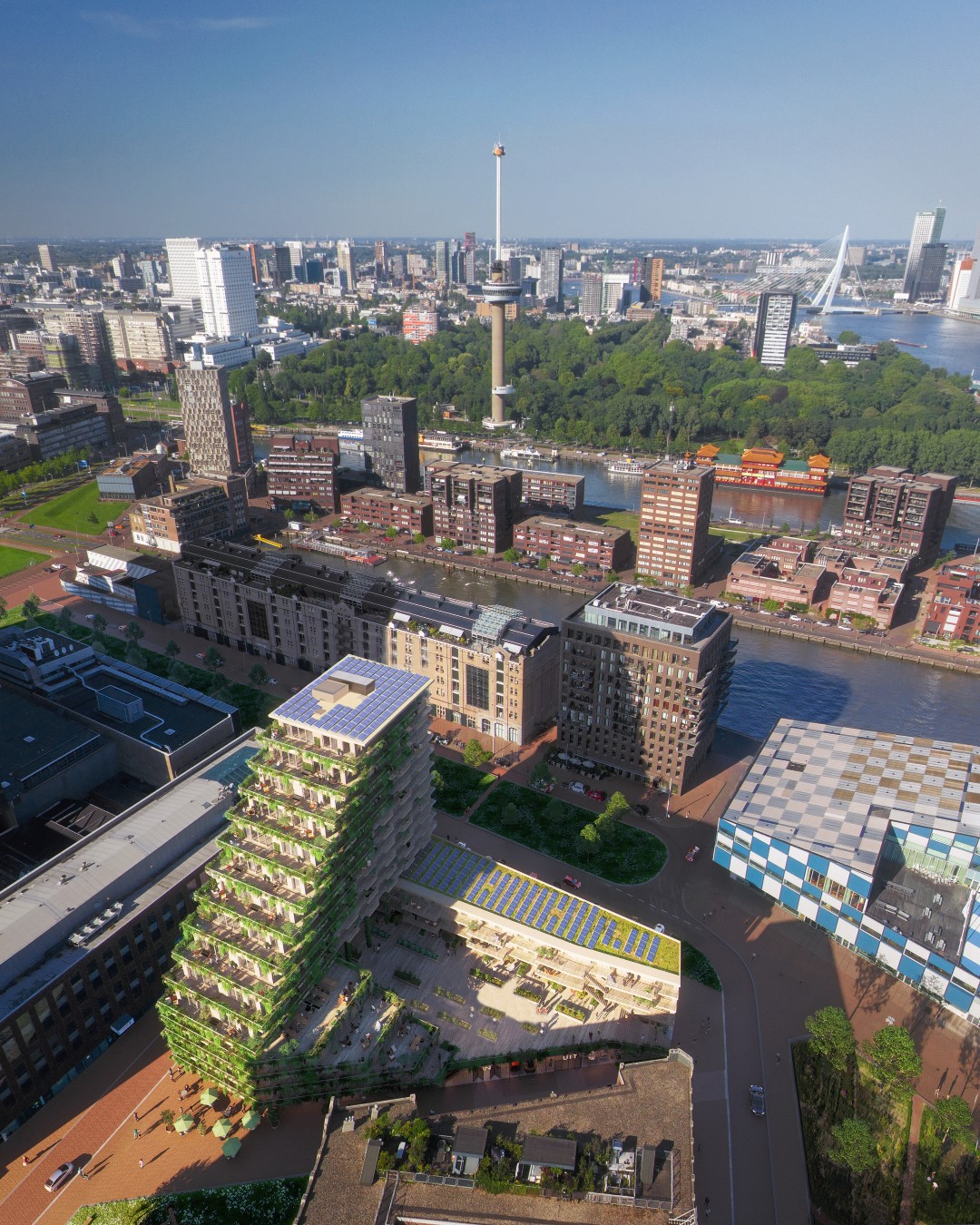
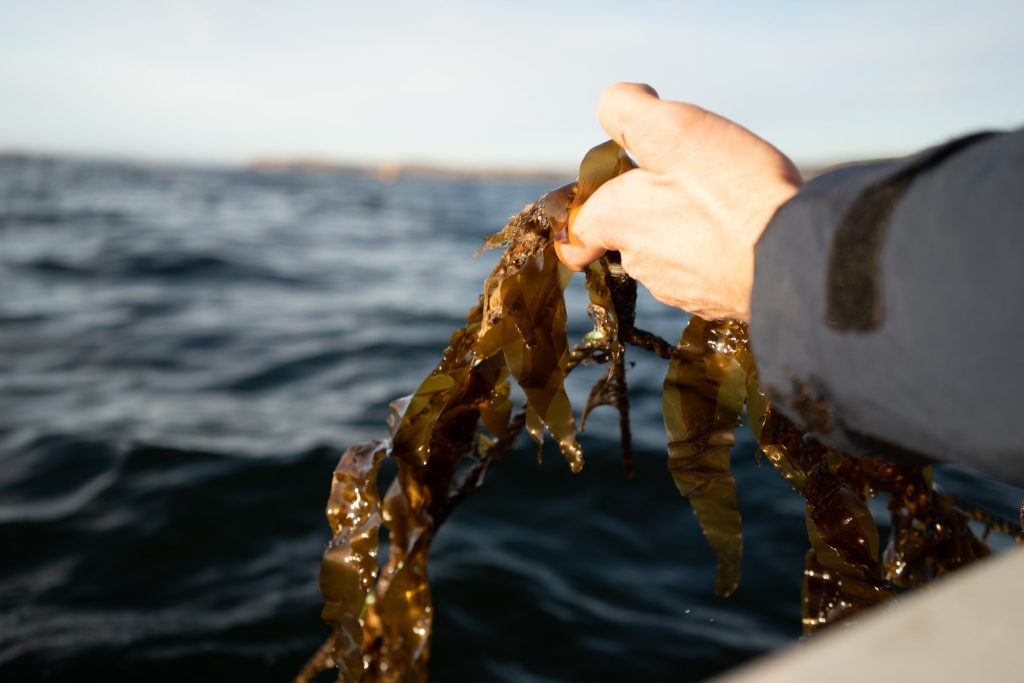
Pioneers such as carbon farmers, builders using bio-based materials, and seaweed cultivation innovators actively capture CO₂ through natural methods, laying the foundation for the climate-friendly economy of tomorrow.
Companies & Financial Institutions
Companies are increasingly investing in this movement by providing financial contributions to carbon sequestration, anticipating the CSRD regulations (Corporate Sustainability Reporting Directive) and as part of their sustainability strategy. These financial transactions represent transition financing for the shift from a fossil-based to a circular economy.

Governments
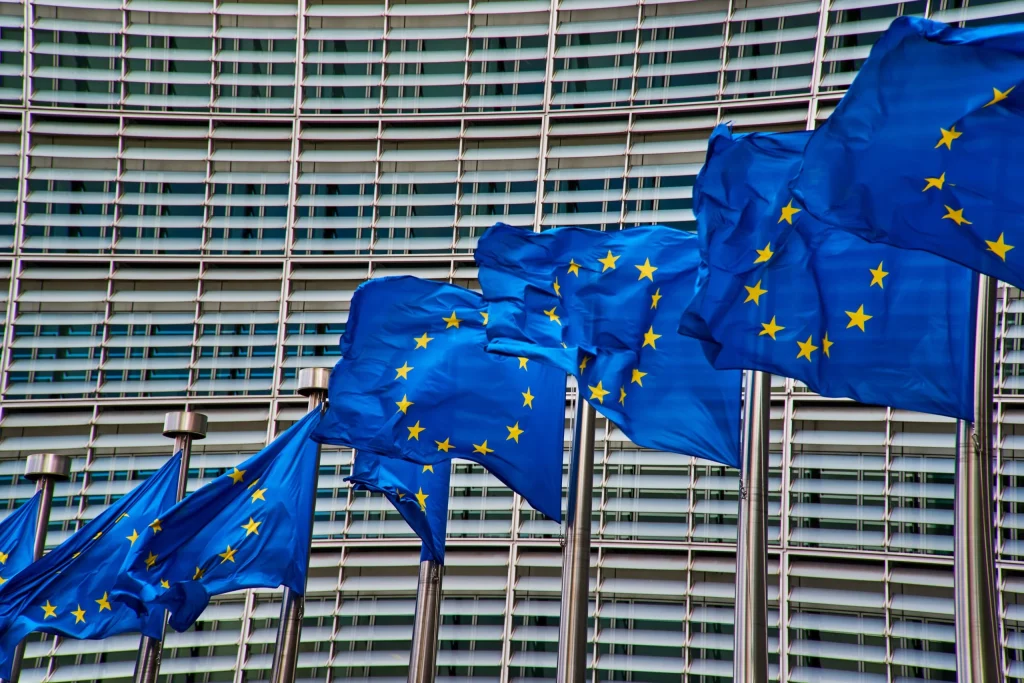
Governments, especially at the provincial and EU level, are pioneering Carbon Dioxide Removal (CDR) by integrating it into regional policies and funding innovative projects. By supporting both nature-based and technological solutions, provinces bridge the gap between national climate goals and local action, accelerating the transition to a sustainable, climate-positive future.
Become ambassador
The Club of Ambassadors consists of people who take responsibility for removing the 1500 gigatons of excess CO₂ in our atmosphere, using nature-based solutions. The Club of Ambassadors is by and for parents, entrepreneurs, investors, youth, and policymakers who want to reverse climate change. Ambassadors help keep the Foundation independent and receive free access to networking events.
Become Ambassador