
Two studies published in July 2026 suggest that agroforestry systems may be better able to withstand heat and drought than farming systems without trees.
What 60 experts expect
In a study published in Agronomy for Sustainable Development, 60 agroforestry experts took part in an online survey on how different agroforestry systems across Europe are performing under climate change. According to the experts’ median estimates, yields in agroforestry systems have so far remained stable under climate change (0% change), compared with a decline of around 8% in comparable systems without trees.
Looking towards 2050, they expect yields in systems without trees to fall by around 20%, while yields in agroforestry systems are expected to stay stable. These are expert estimates rather than field measurements, but they reflect the experience of specialists across Europe. The authors also point out that, because only agroforestry experts took part, the benefits of agroforestry may be overestimated.
Wakelyns: trees as a shock absorber
Another study, also published in July in Agronomy for Sustainable Development, used computer modelling to simulate how an agroforestry system at Wakelyns in Suffolk, England, would perform under future climate change. In the simulations, walnut trees changed the local microclimate and protected wheat and pea crops during a critical window in spring, around flowering and grain filling, most likely through shade from the newly emerged walnut leaves.
In normal years, wheat yields in the agroforestry system were slightly lower than without trees (by about 4.5%), but in the two most extreme simulated years they were much higher (by 79% and 125%, under a high-emissions scenario). This suggests that one of the main benefits may not be higher average yields, but fewer severe losses during extreme weather events.
A Dutch food forest in a dry summer
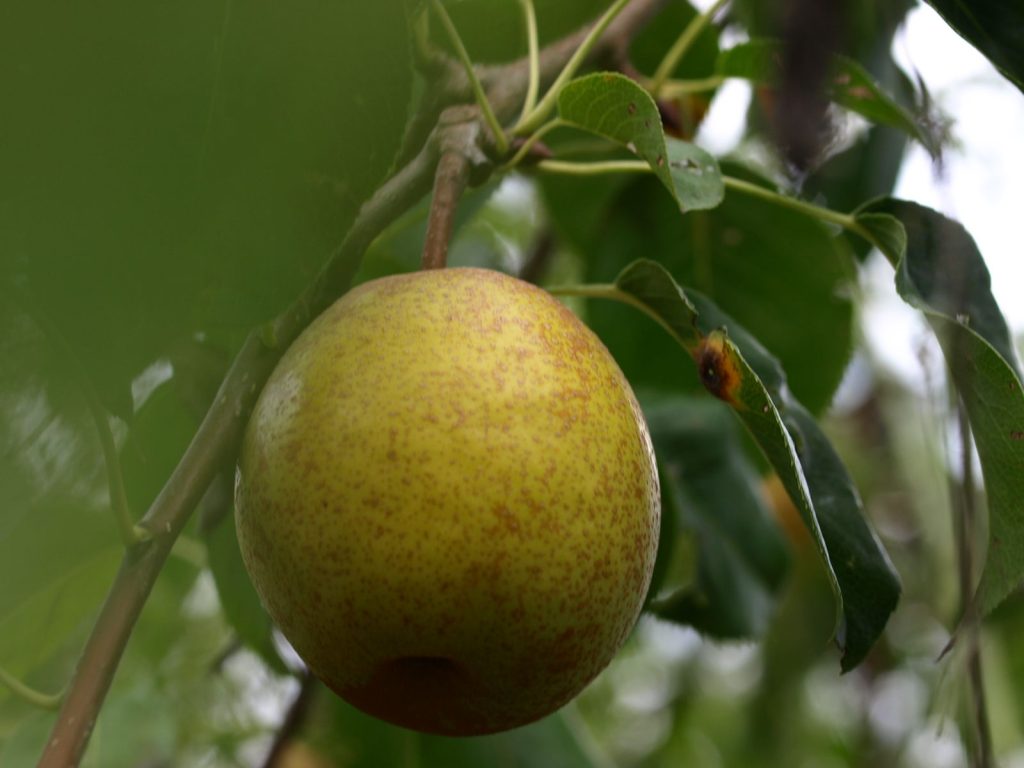
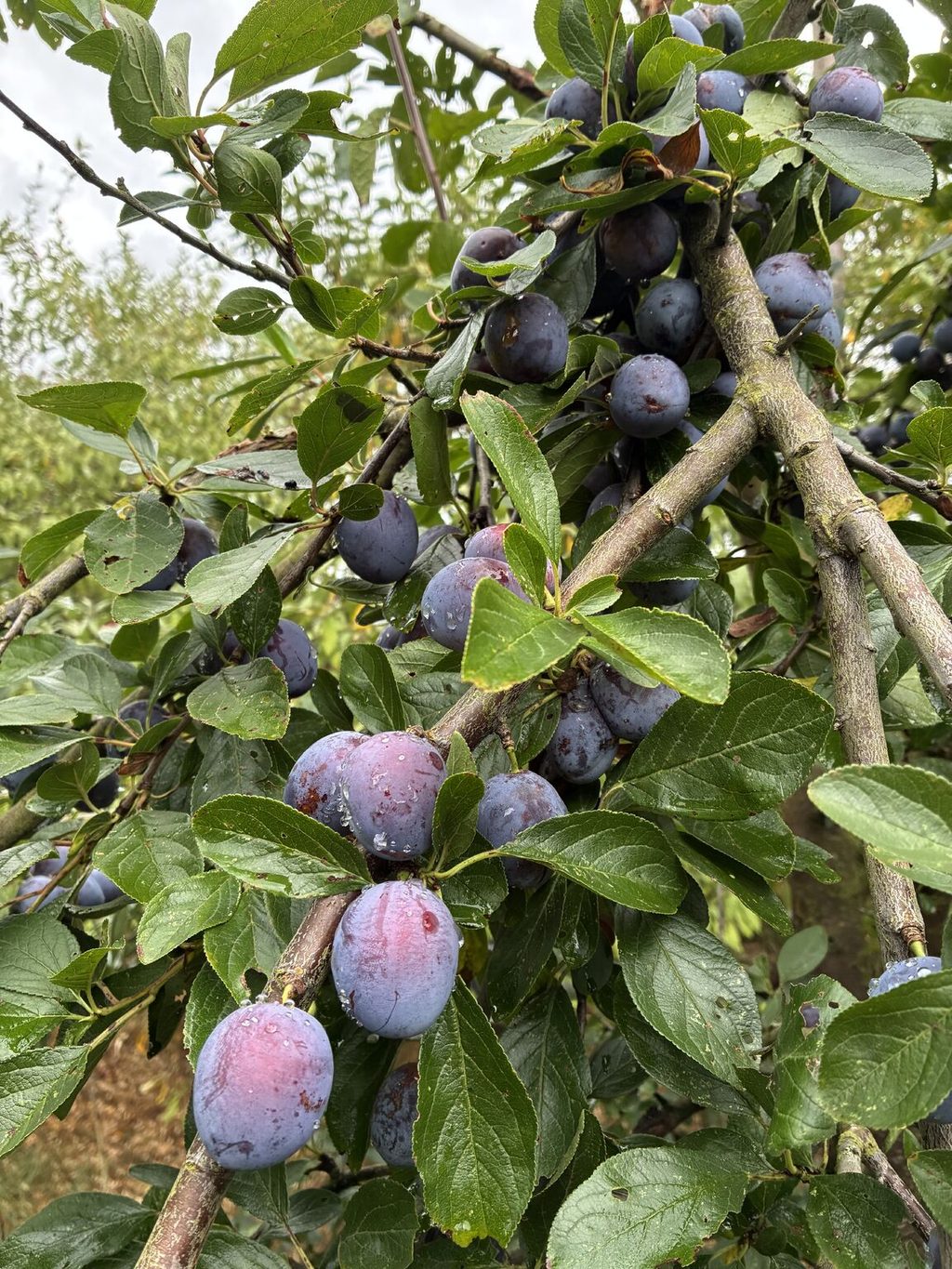
There is also a recent example from the Netherlands. At Voedselbos Ketelbroek, Wouter van Eck reported that the food forest remained green during the heat and drought of summer 2026, while surrounding agricultural land and nature areas showed signs of drying. He also reported good harvests of plums, apples and nashi pears, and said the walnut and sweet chestnut crops were looking good as well.
What this does and doesn’t show
These observations are not a controlled scientific comparison, so they cannot establish that the food forest caused the difference. But together with the recent research, they point to an important question for climate-resilient agriculture: could trees help farming systems absorb climate shocks, rather than simply increasing yields in good years?
Sources
- Den Hond-Vaccaro, C., Jarosch, K., Kay, S., Li, Y. & Herzog, F. (2026). Experts expect European agroforestry systems to stabilize crop yields under climate change. Agronomy for Sustainable Development, 46. Published online 16 July 2026. https://doi.org/10.1007/s13593-026-01119-5
- Tosh, C.R., Gossell, C., Lecomte, I., Gosme, M., Eden, J.M., den Hond-Vaccaro, C., Simonson, W., Herzog, F. & Dupraz, C. (2026). Agroforestry protects arable crops from climate shock during critical early-season phenological stages. Agronomy for Sustainable Development, 46(4), 59. Published online 23 July 2026. Open access: https://doi.org/10.1007/s13593-026-01129-3
- Van Eck, W. (2026). LinkedIn post on Voedselbos Ketelbroek during the summer of 2026 (five regional heatwaves, drying of nearby nature area De Bruuk and farmland, harvests).
- KNMI (2026). Zomer 2026: warmest summer since records began in 1901, and dry. https://www.knmi.nl/nederland-nu/klimatologie/maand-en-seizoensoverzichten/2026/zomer
- KNMI (30 September 2026). Het droge zomerhalfjaar van 2026. https://www.knmi.nl/over-het-knmi/nieuws/het-droge-zomerhalfjaar-van-2026